
What if the ground beneath your feet could become the very walls of your home or office, naturally, sustainably, beautifully? That’s the promise of rammed earth construction, an ancient building method that modern architects, developers, and sustainability advocates are rediscovering for the 21st century.
Rammed earth, also known as pisé, is a building method where damp soil is mixed with sand, clay, and sometimes stabilizers such as lime or small amounts of cement into molds to create strong, natural, and eco-friendly walls.
Rammed earth construction is an increasingly popular alternative to concrete in modern home construction, especially in warm, dry regions like the American Southwest, Mexico, Brazil, India, and parts of Europe such as Spain, France, Germany, and Switzerland. This traditional technique, long used in Africa’s Sahel region, involves compressing a mixture of soil, clay, and water into molds to create solid walls.
Its growing appeal worldwide is driven by its affordability, sustainability, cultural heritage, and practical benefits such as fire resistance and energy efficiency, leading builders and companies across multiple countries to adopt it as a viable modern construction method.
What Makes Rammed Earth Special?
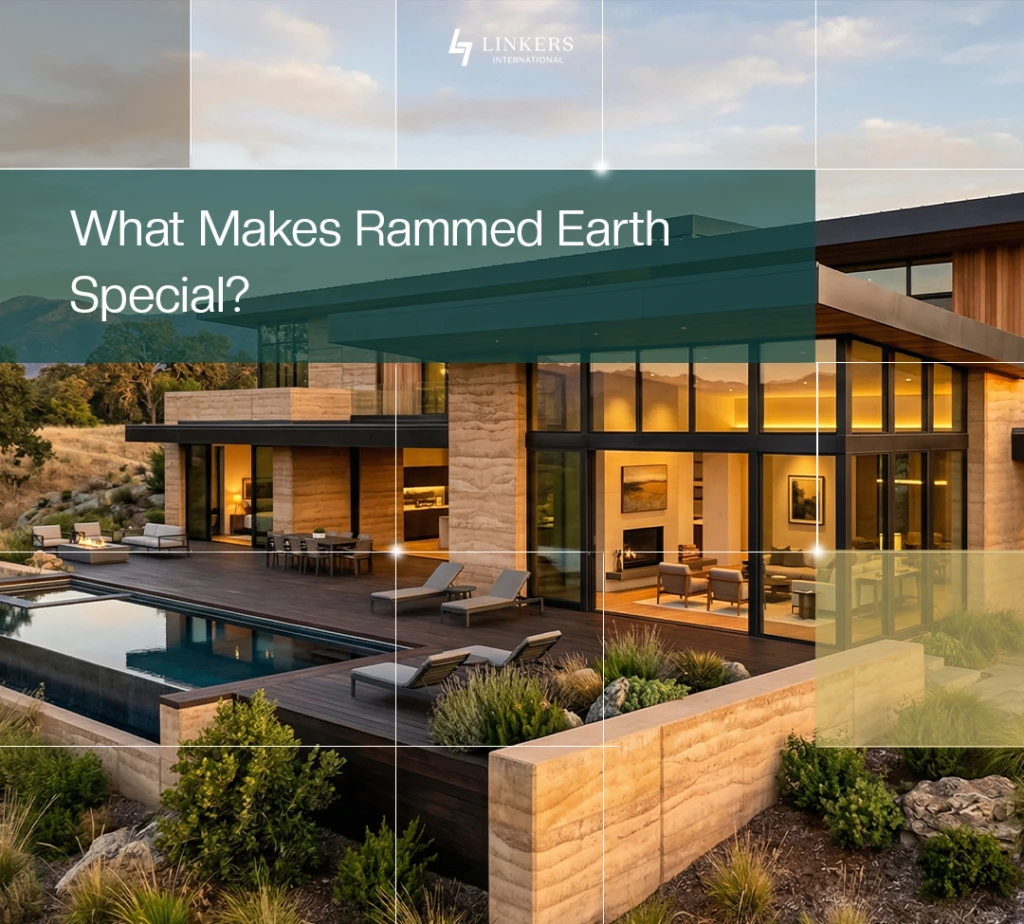
Over centuries, this simple yet elegant technique has provided shelters, fortifications, and community structures across Asia, Africa, and the Middle East. Today, it’s experiencing a resurgence as architects and builders seek low‑carbon, sustainable alternatives to conventional materials like concrete and fired bricks.
At first glance, rammed earth might seem like a nostalgic architectural throwback, but its advantages are anything but old‑fashioned. Here’s why it’s gaining traction:
Environmental Sustainability and Low Embodied Carbon
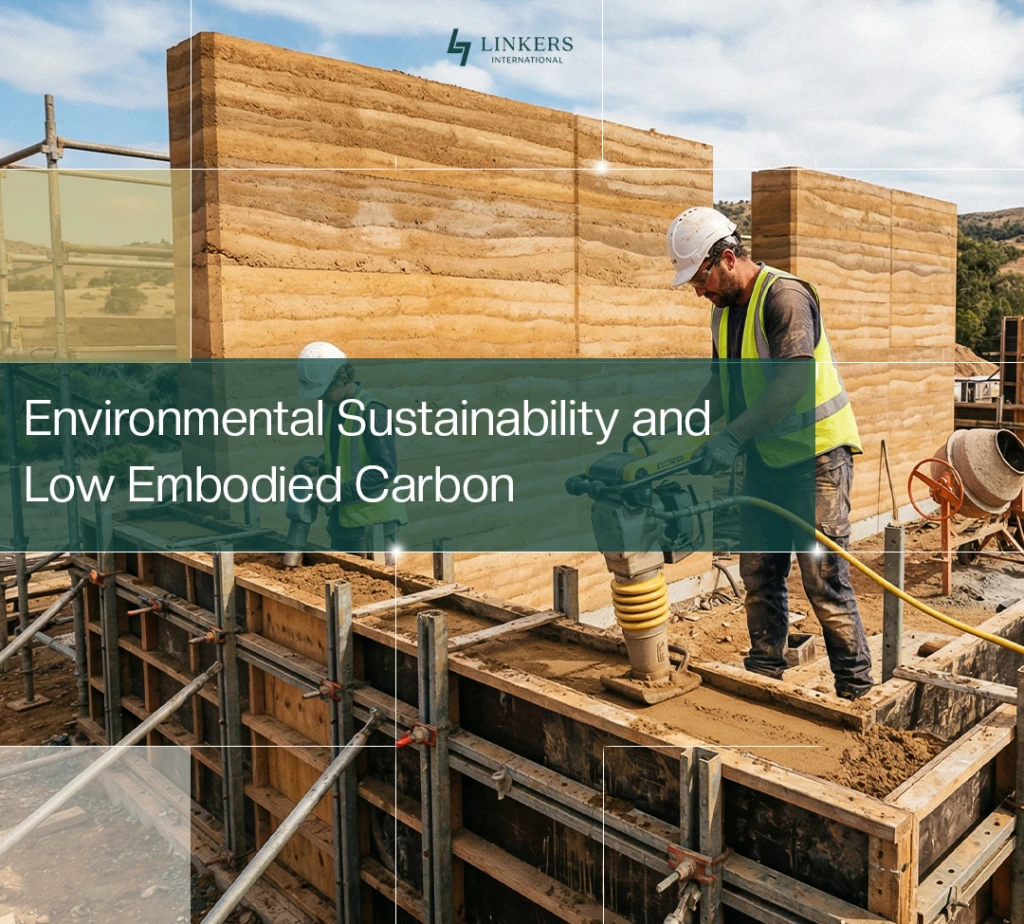
One of the most compelling reasons for rammed earth’s modern revival is its minimal environmental impact. Unlike cement and steel, which are highly energy‑intensive and significant sources of greenhouse gases, rammed earth walls can be built using locally sourced subsoil, drastically reducing transport emissions and embodied energy in construction.
According to sustainable building research, when built appropriately, rammed earth construction has a much lower carbon footprint compared to conventional masonry or concrete structures, mainly because it avoids the high energy demands of processing and transporting manufactured materials.
Natural Aesthetics and Architectural Appeal
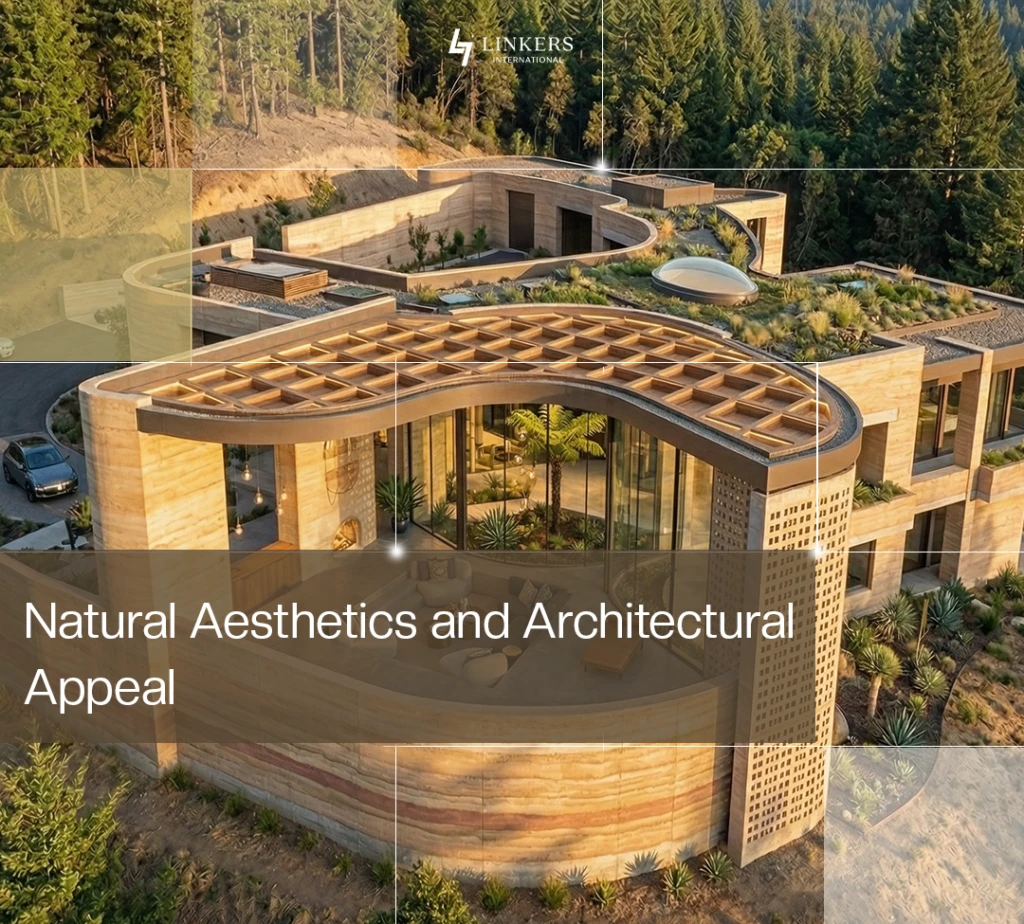
Rammed earth isn’t just green, it’s visually striking. Its layered walls create a textured, earthy palette that naturally complements both urban and rural environments. These walls can be left exposed internally and externally, giving buildings a tactile warmth often missing in traditional concrete blocks.
In countries like Brazil and the UK, high‑profile rammed-earth homes are merging traditional materials with contemporary forms, showing that earthen walls can be both functional and architecturally avant‑garde.
Thermal Mass and Energy Efficiency
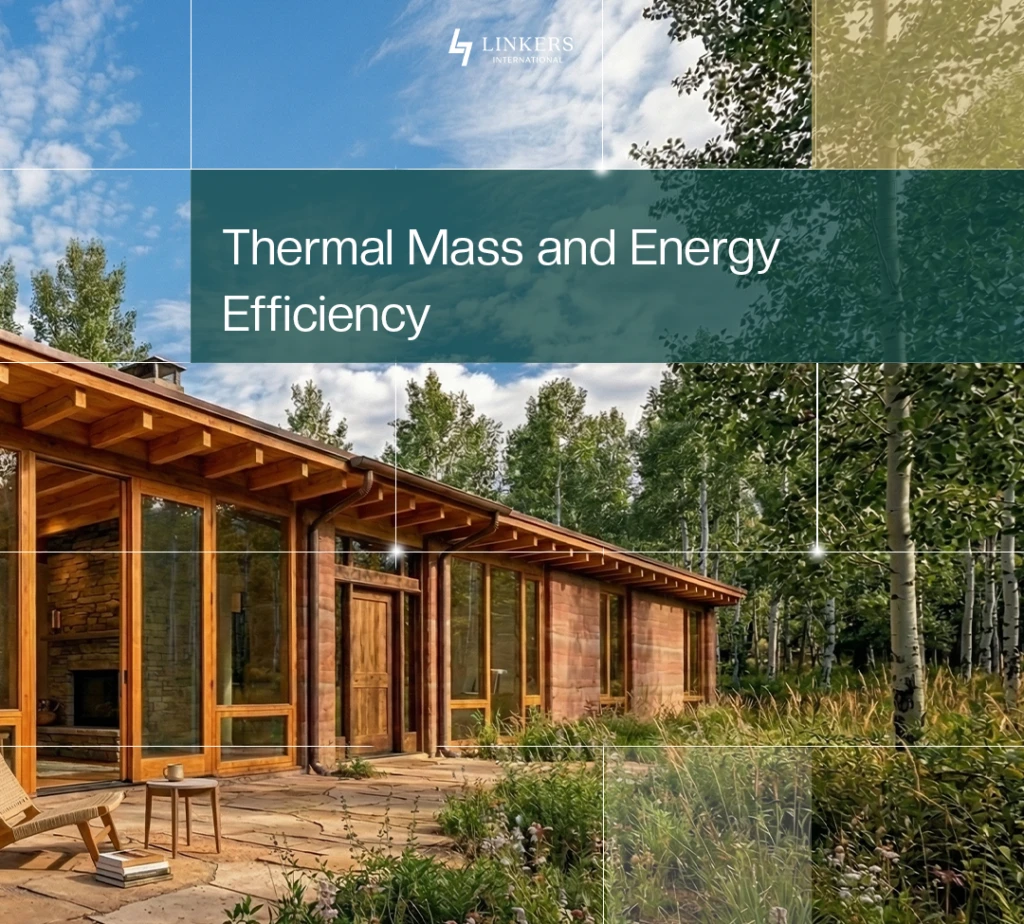
One of the standout functional benefits of rammed earth is its thermal mass, the ability of thick, dense walls to absorb heat during the day and slowly release it at night. This natural temperature regulation can significantly reduce the need for artificial heating or cooling, especially in climates with large everyday temperature swings.
In hot and arid climates, such as many regions of Pakistan, this feature can increase occupant comfort and cut energy costs, making buildings more energy-efficient, comfortable and cheaper to run.
Durability, Fire Resistance, and Acoustic Comfort
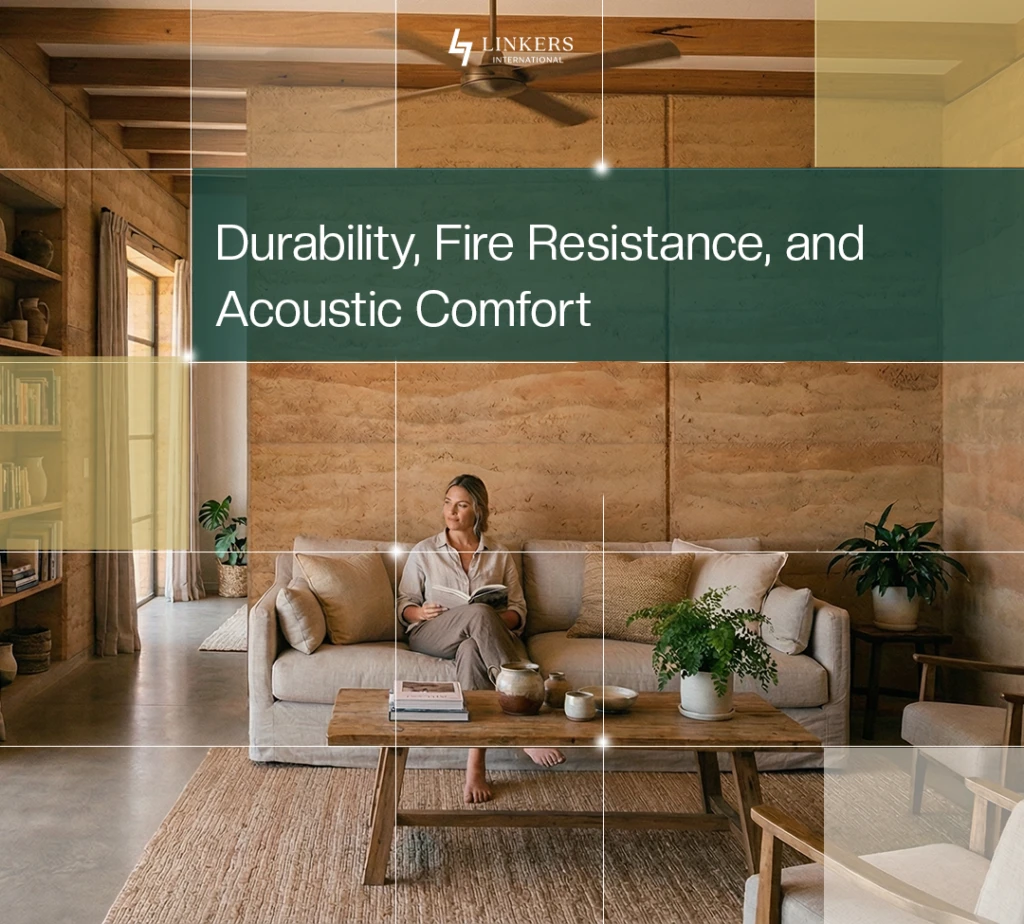
Rammed earth walls are structurally robust, capable of bearing loads, resisting fire, and providing excellent sound insulation due to their density. Modern stabilized rammed earth construction can achieve comparable strength to conventional walls while maintaining its eco‑friendly credentials.
And despite its earth‑based simplicity, properly designed rammed earth walls last centuries in many cases, as evidenced by historic structures still standing from ancient civilizations.
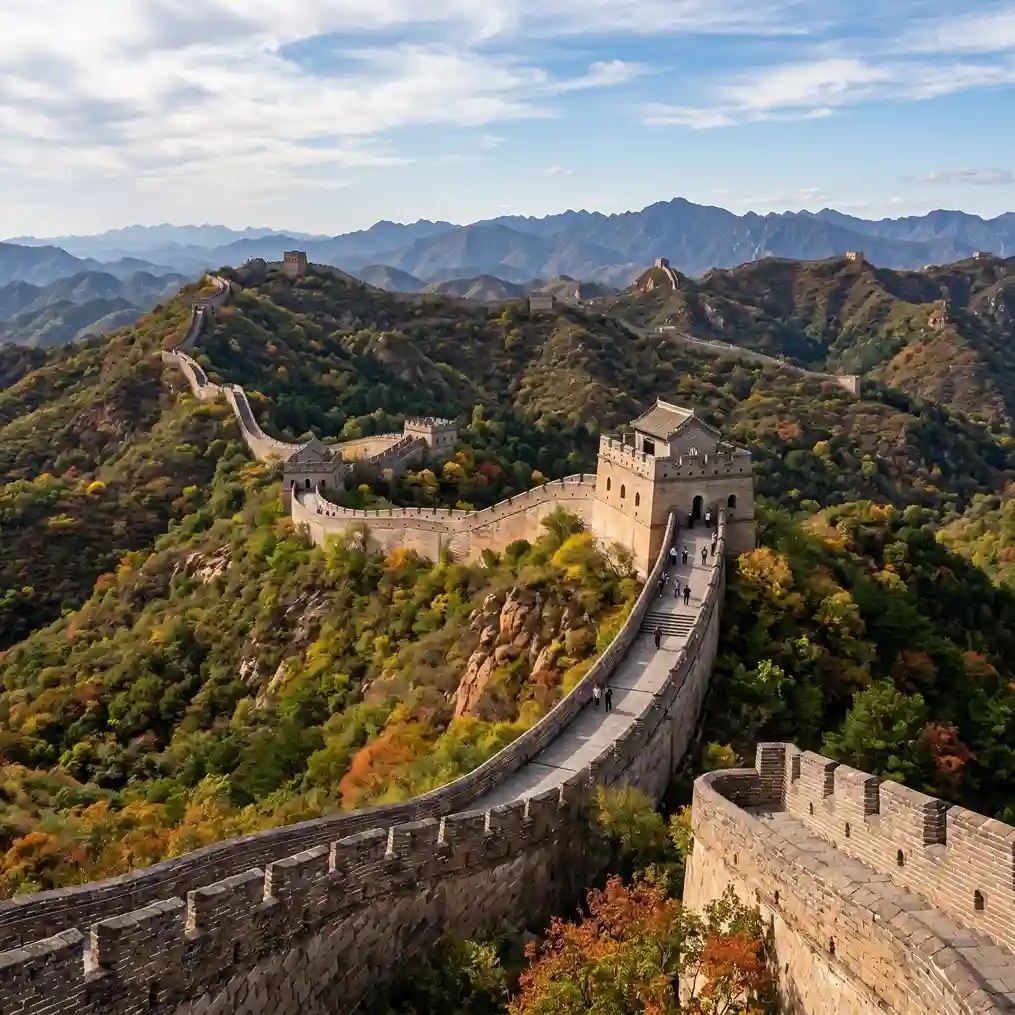
The Great Wall of China: Sections of the wall, especially in the western regions, were originally built using rammed earth and have survived over 2,000 years.
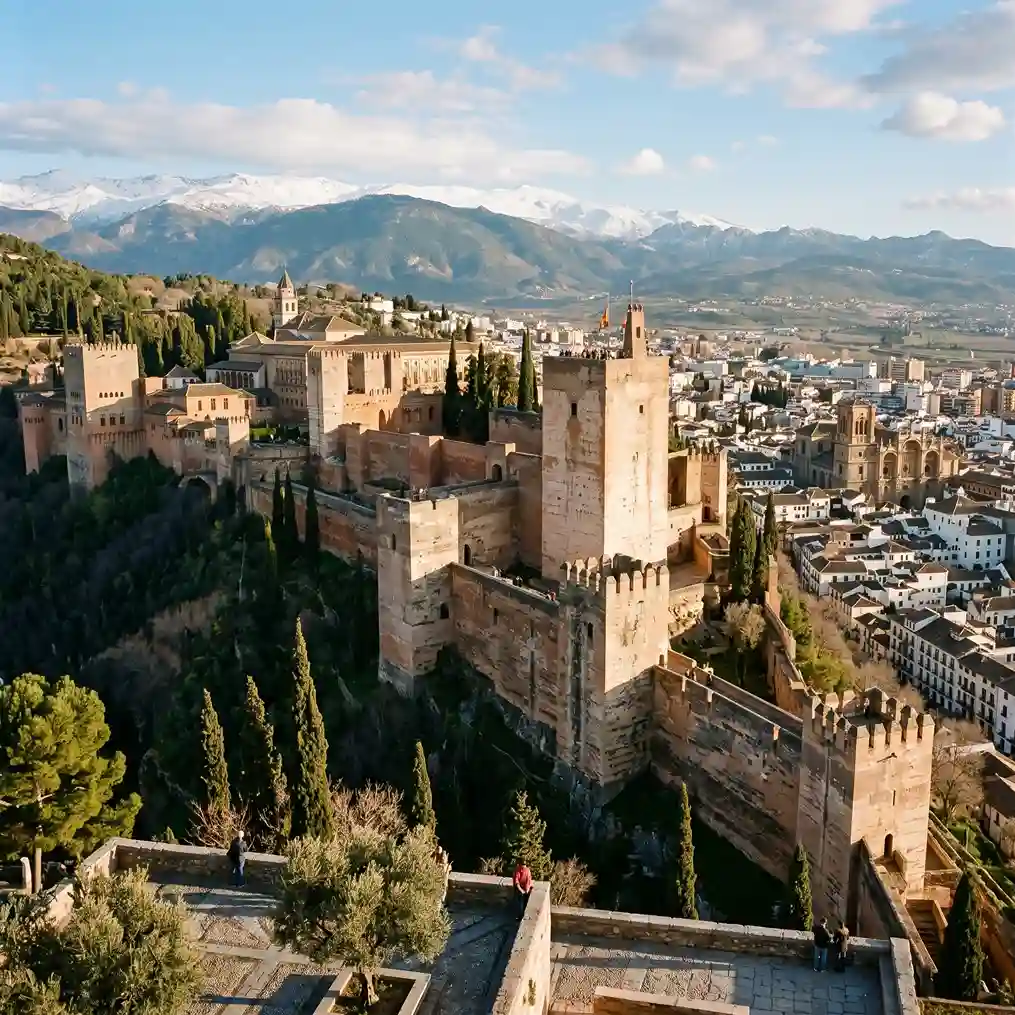
Alhambra Fortifications (Spain): Certain walls in this iconic palace and fortress complex incorporate rammed earth techniques combined with local soils.
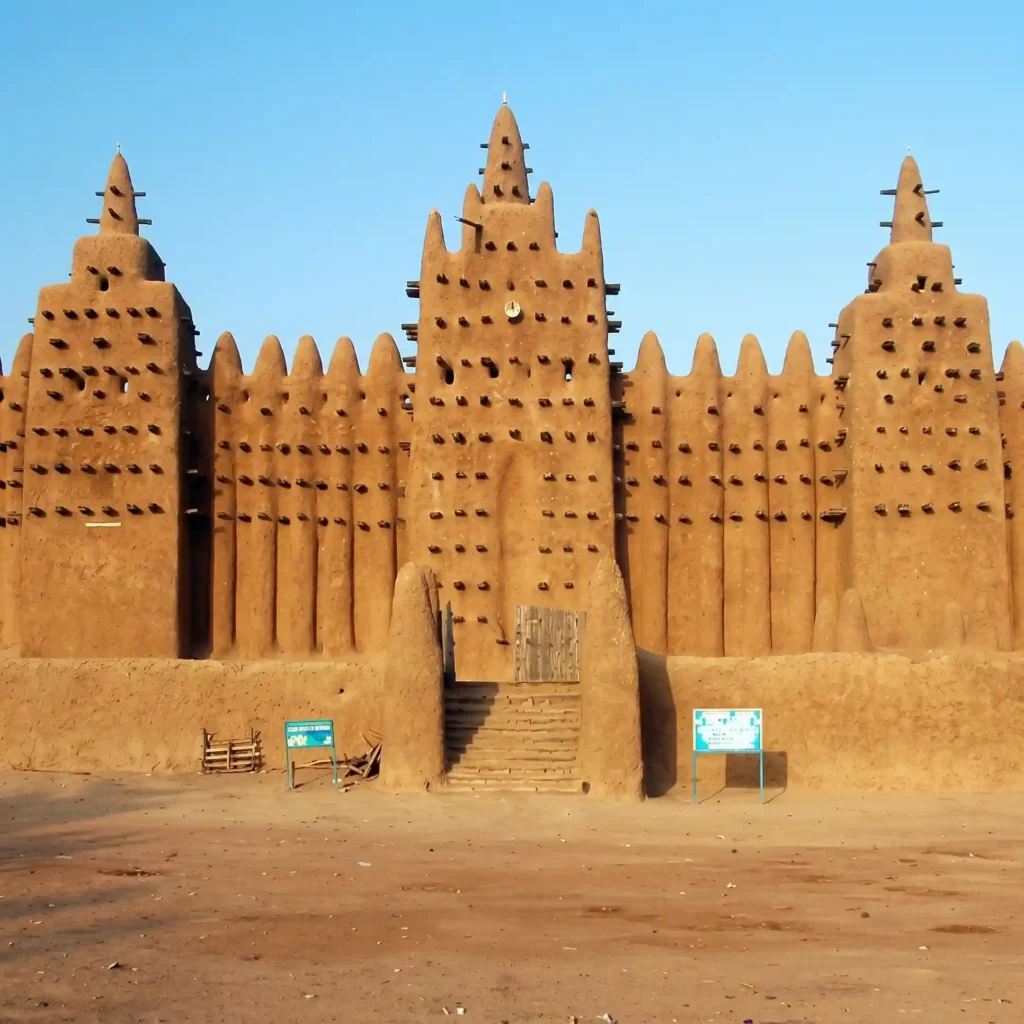
Ancient Citadels in Mali (Timbuktu, West Africa): The Djinguereber Mosque and other structures use rammed earth and mudbrick, surviving for hundreds of years with periodic maintenance.
Shibam “Mudbrick Skyscrapers” (Yemen): While mostly mudbrick, parts of the city’s early walls and foundations are rammed earth, standing for over 500 years.
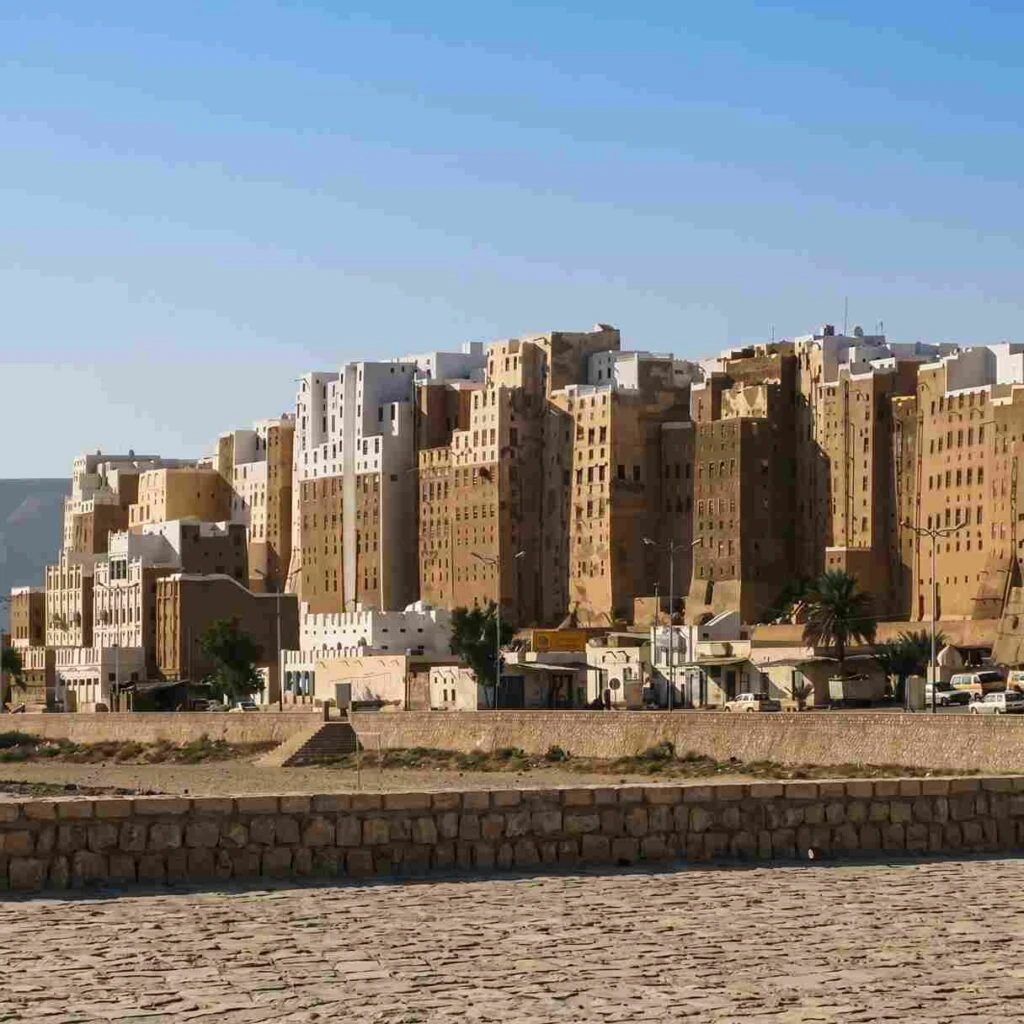
From the fortified stretches of the Great Wall of China to traditional dwellings across North Africa and the enduring architecture of Yemen, these examples highlight how this time-tested technique has withstood harsh climates and the passage of time, proving that durability and sustainability can go hand in hand.
Rammed Earth in Global Trends
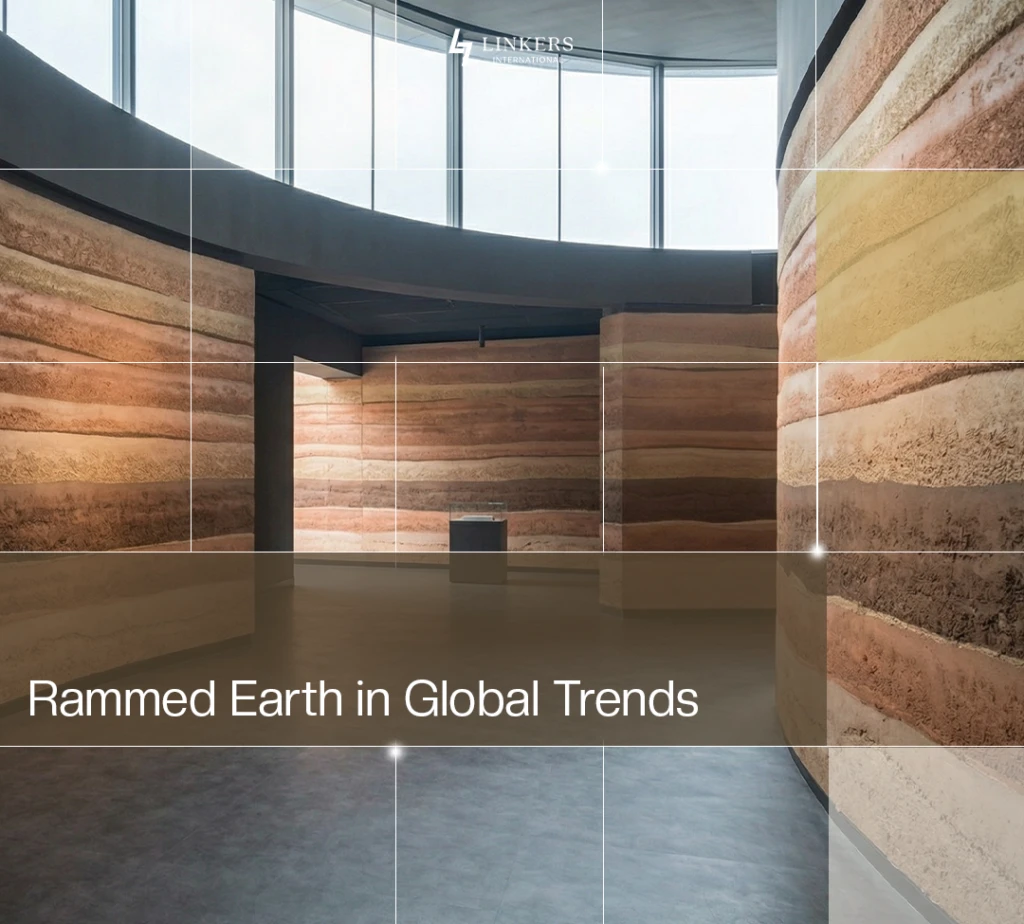
Across Europe, North America, and parts of Asia, innovative architects are incorporating rammed earth into modern projects that redefine contemporary architecture. Projects like the Rammed Earth House in Wiltshire by Tuckey Design Studio and Sombra de Santa Fe in the United States demonstrate how this ancient technique is being adapted into award-winning, climate-responsive homes.
- Rammed Earth House – Wiltshire, UK (2026)
- Sombra de Santa Fe” – USA (2026)
- Bin Nouh Courtyard House – Egypt (2026)
- Diriyah, Saudi Arabia (2024)
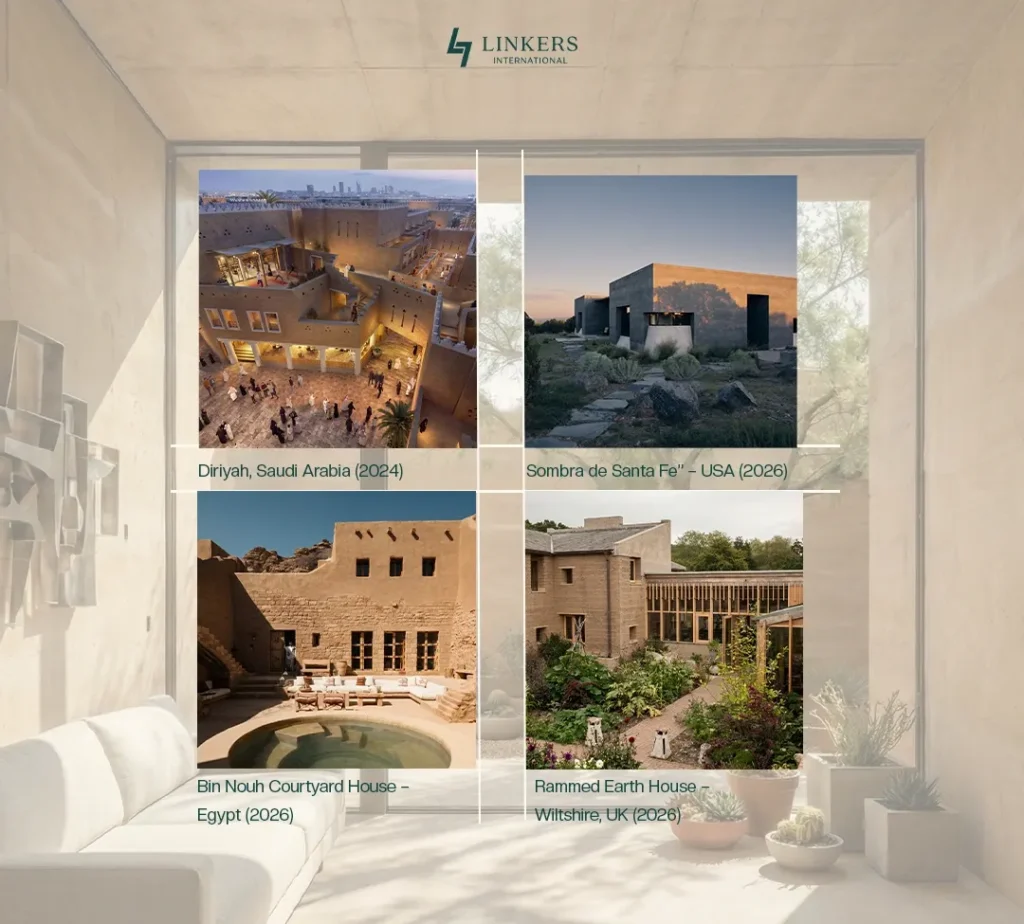
In regions like the Middle East and North Africa, developments such as the Bin Nouh Courtyard House and experimental installations in Diriyah highlight how rammed earth merges cultural heritage with modern sustainability.
These projects reflect a global shift, rammed earth is no longer just an eco-alternative but a refined architectural choice embraced by forward-thinking designers worldwide.
Is Rammed Earth Construction Right for Pakistan?
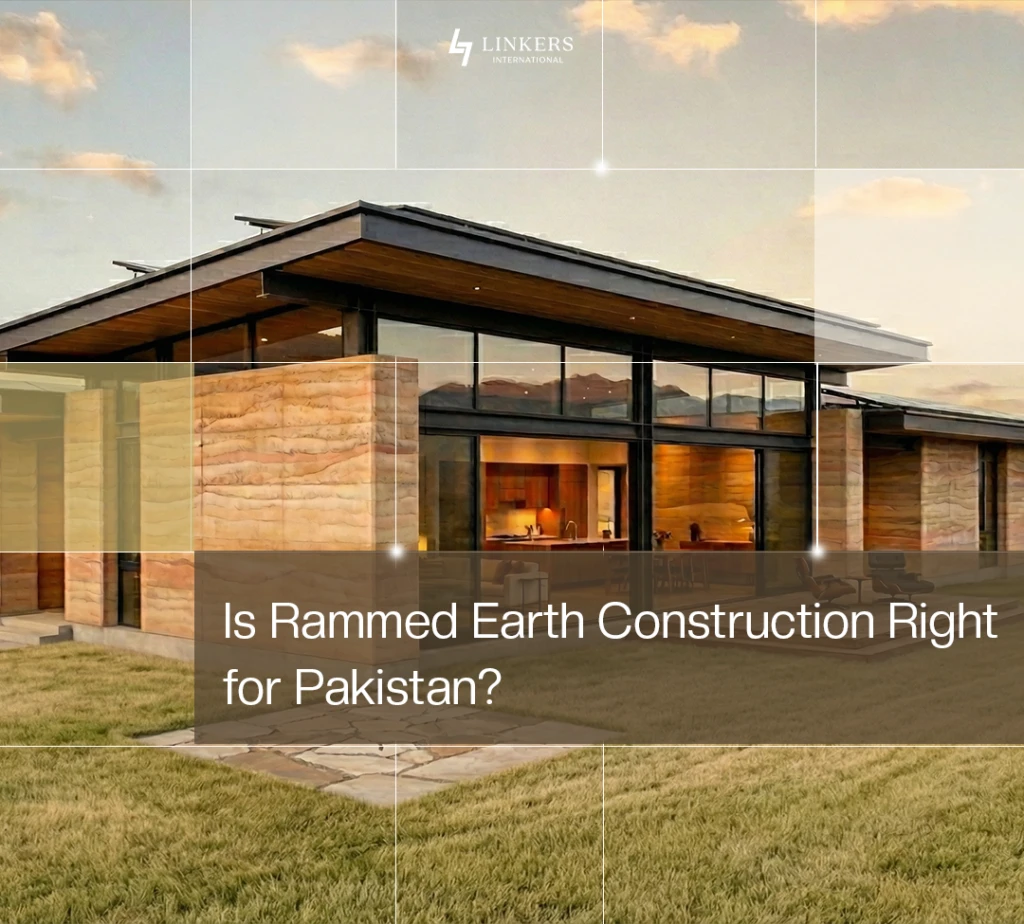
Pakistan’s booming construction and real estate sectors are creating a strong need for sustainable, cost-effective building solutions, aligning with modern apartment living in Islamabad, Karachi, Lahore and other growing cities. With rising energy demands and environmental concerns, traditional materials like concrete and brick are being questioned for their long-term impact.
Rammed earth offers a promising alternative, using locally available materials and providing natural thermal efficiency suited to Pakistan’s climate. Its ability to reduce construction costs and carbon footprint makes it increasingly relevant today.
However, challenges such as building standards, skilled labor, and public perception must be addressed. This raises an important question, can rammed earth become a practical solution for Pakistan’s future construction needs?
Leveraging Local Resources
Pakistan has abundant soil and subsoil resources in many regions. Using site‑sourced material could dramatically reduce construction costs, lower dependence on imported or transported materials, and support localized labor markets.
Especially in arid and semi‑arid zones, rammed earth can provide natural thermal comfort without extensive mechanical cooling, a significant advantage as urban energy demands rise.
Climate Resilience and Comfort
Given Pakistan’s climate diversity, from hot plains to cooler highlands, rammed earth’s thermal mass and humidity regulation can enhance indoor comfort and reduce reliance on energy‑intensive HVAC systems, especially when paired with thoughtful design.
However, it’s important to note that traditional rammed earth is vulnerable to prolonged moisture and heavy rainfall. That means walls must be protected via proper design details, roofing, and sometimes stabilizers to withstand monsoon conditions, an essential consideration in areas with seasonal rain.
Challenges: Codes, Skills, and Perception
While rammed earth offers clear environmental and economic advantages, its adoption in Pakistan faces several practical challenges. The construction industry is deeply rooted in conventional materials like concrete and brick, making alternative techniques harder to accept.
Limited building codes and regulatory frameworks for earth-based construction create uncertainty for developers and investors. While the benefits are compelling, widespread adoption in Pakistan faces realistic hurdles:
- Building codes and standards are primarily designed around concrete and masonry, not earth‑based systems.
- Labour and expertise in modern rammed earth techniques are still nascent locally, which could affect project timelines or quality.
- Public perception and financing may initially favour conventional materials due to familiarity and regulatory comfort.
But with global sustainability movements and growing interest in green building techniques, these barriers are beginning to shift.
Looking Ahead: A Sustainable Future Rooted in Ancient Practice
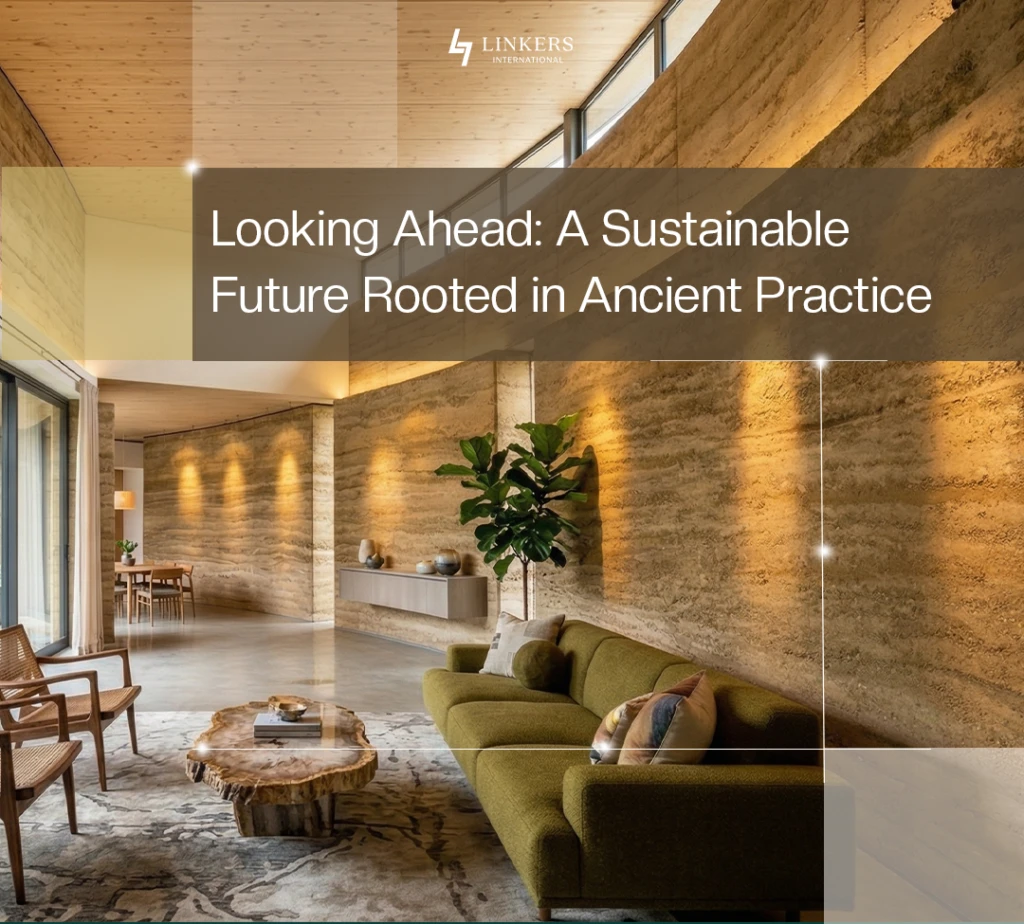
As climate change pressures intensify and the environmental toll of traditional construction becomes harder to ignore, low‑carbon, resource‑efficient materials like rammed earth offer a compelling alternative.
Whether used for eco‑homes, community centers, experimental architecture, or hybrid urban buildings, rammed earth holds the potential to reshape how we think about built space, not as something alien and manufactured, but as an extension of the landscape itself.
By embracing this age‑old technique with modern engineering, Pakistan and the world can build more beautiful, resilient, and sustainable places to live and work, literally grounded in the earth beneath us.