
The concept of climate-proofing buildings has changed from reacting to disasters to designing assets that remain safe, efficient, and valuable under changing environmental conditions. That is because climate volatility, energy uncertainty, and urban density are fundamentally reshaping how buildings must perform today and decades from now.
Globally, leading developers are moving beyond traditional construction models toward buildings that can adapt, protect, and sustain themselves. And Pakistan’s real estate sector is also now approaching the same crossroads of ESG consciousness.
A Shift From Generic Architectural Templates Toward Climate-Adaptive Design
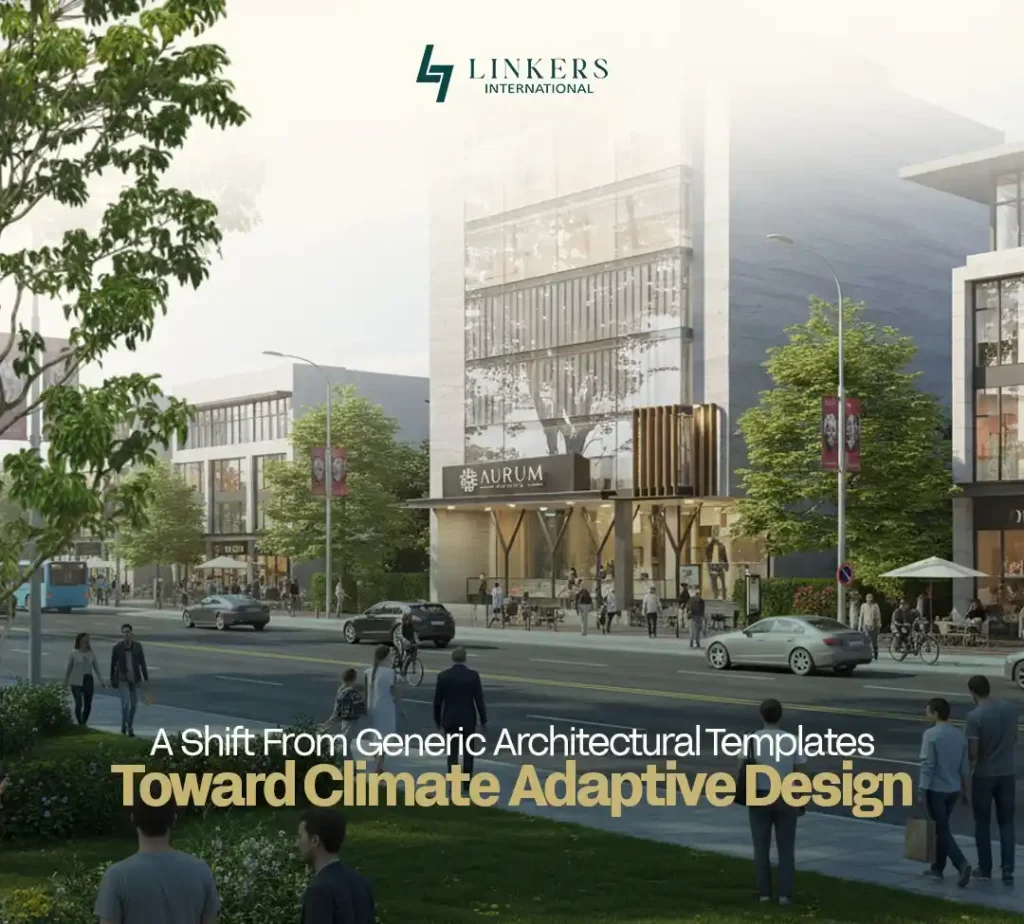
Around the world, real estate development is moving away from generic architectural templates. Instead, climate-adaptive design prioritizes local environmental intelligence, how sun, wind, heat, and rainfall interact with a building throughout the year.
Buildings are increasingly oriented to naturally manage heat and airflow, reducing dependence on mechanical cooling. Façades are designed to shield interiors from excessive solar gain while allowing natural light. This approach improves energy efficiency while enhancing occupant comfort, especially in high-rise environments.
Some of the nature-based solutions that are becoming integral to modern developments are:
- Green roofs
- Landscaped podiums
- Vertical facades
- Aesthetic landscaping
At the same time, flexibility is becoming a defining feature of future-ready buildings. Modular and adaptable structures allow spaces to be upgraded, repurposed, or reinforced as climate conditions evolve, protecting long-term asset value.
Strengthening Physical Infrastructure for Climate Extremes
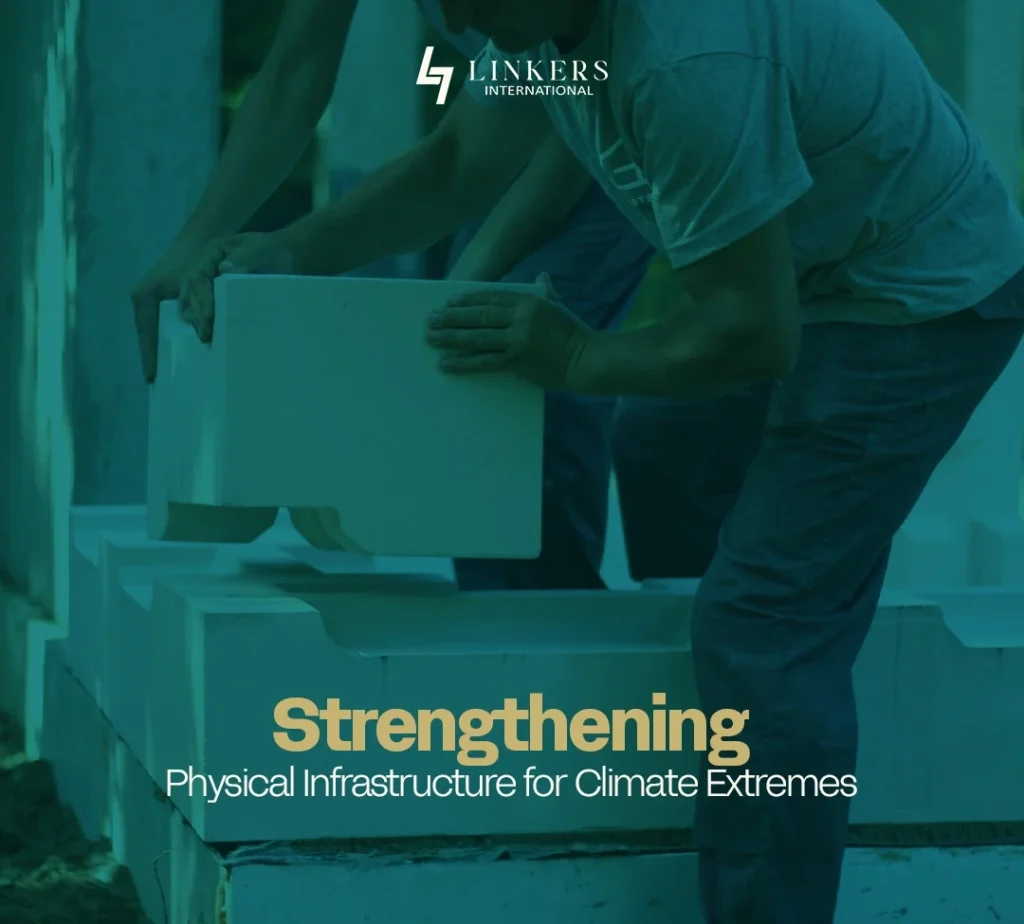
Climate-proofing buildings is not complete without physical resilience. As extreme weather events become more frequent, global best practices now emphasize asset hardening, ensuring buildings can withstand environmental shocks.
Flood resilience: It has become a priority in cities exposed to heavy rainfall and rising water levels. Modern developments are elevating structures, improving site drainage, and relocating critical electrical and mechanical systems away from vulnerable areas. These measures significantly reduce operational downtime and long-term damage.
Wind and storm resistance: These are also equally critical, especially for high-rise buildings. Reinforced façades, impact-resistant glazing, and secure roofing systems help protect both residents and the structural integrity of the building during extreme conditions.
These strategies transform buildings from passive structures into resilient environments capable of enduring climate stress.
How to Build Energy and Water Autonomy Resources
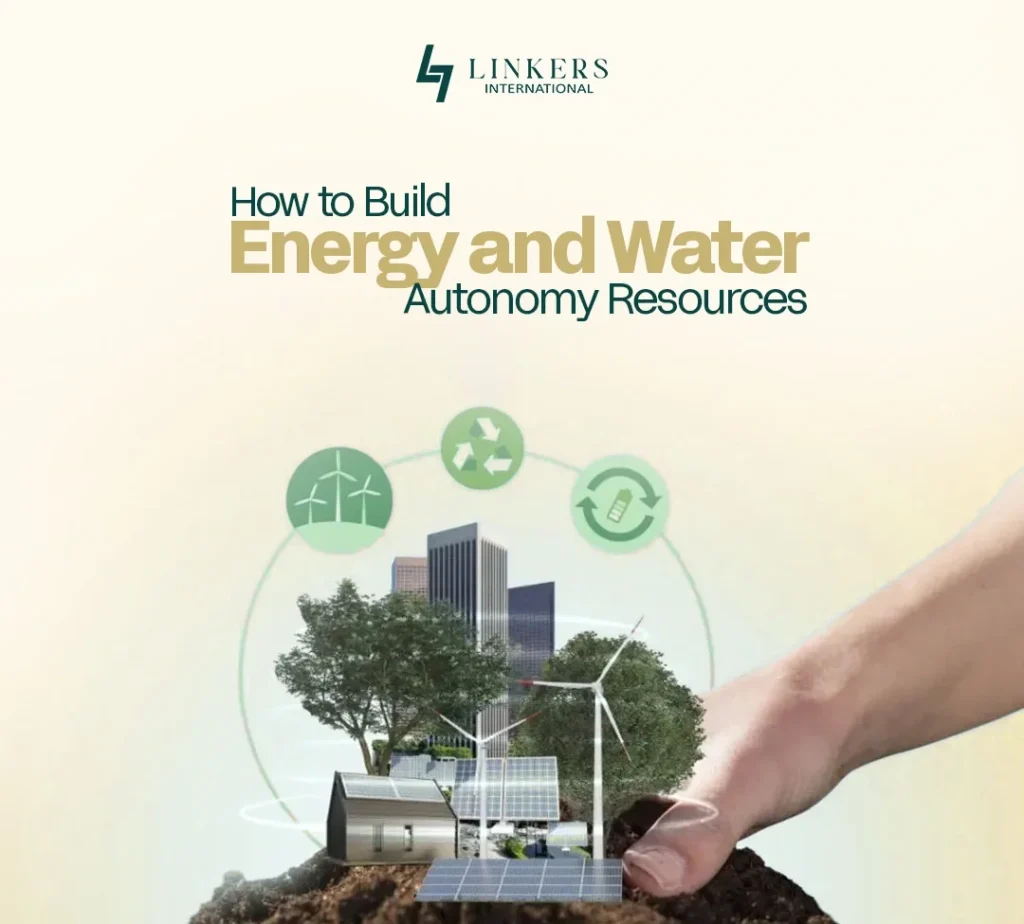
Globally, the most advanced developments are moving beyond efficiency toward partial autonomy. Energy and water independence are becoming essential components of climate-proof real estate.
Renewable energy integration, particularly solar power paired with on-site energy storage, allows buildings to maintain critical functions during grid outages. This is especially relevant in regions facing energy instability. Water smart architecture is receiving similar attention, and can incorporate the following mechanisms in the buildings
- Rainwater harvesting
- Greywater recycling
- Climate-appropriate landscaping
These help reduce dependence on municipal supply while addressing water scarcity and also improve operational resilience during extreme weather events.
Smart HVAC systems complete the picture. Designed to handle temperature extremes, these systems use advanced controls, redundancy, and energy-efficient technologies to maintain comfort without excessive energy consumption.
How to Achieve Operational Efficiency in Pakistan’s Real Estate
Pakistan is already experiencing the effects of climate change, extended heatwaves, intense rainfall, urban flooding, and growing pressure on energy and water infrastructure. Yet climate-resilient real estate remains at an early stage.
The market is beginning to shift. Developers and investors are increasingly recognizing that future property value will depend not only on location and aesthetics, but on resilience, safety, and operational efficiency. High-rise developments, in particular, demand a more thoughtful approach to climate, safety, and infrastructure planning.
Over the next decade, climate-proofing will likely define the difference between aging buildings and enduring assets in Pakistan’s urban landscape.
Linkers International Builds For Future
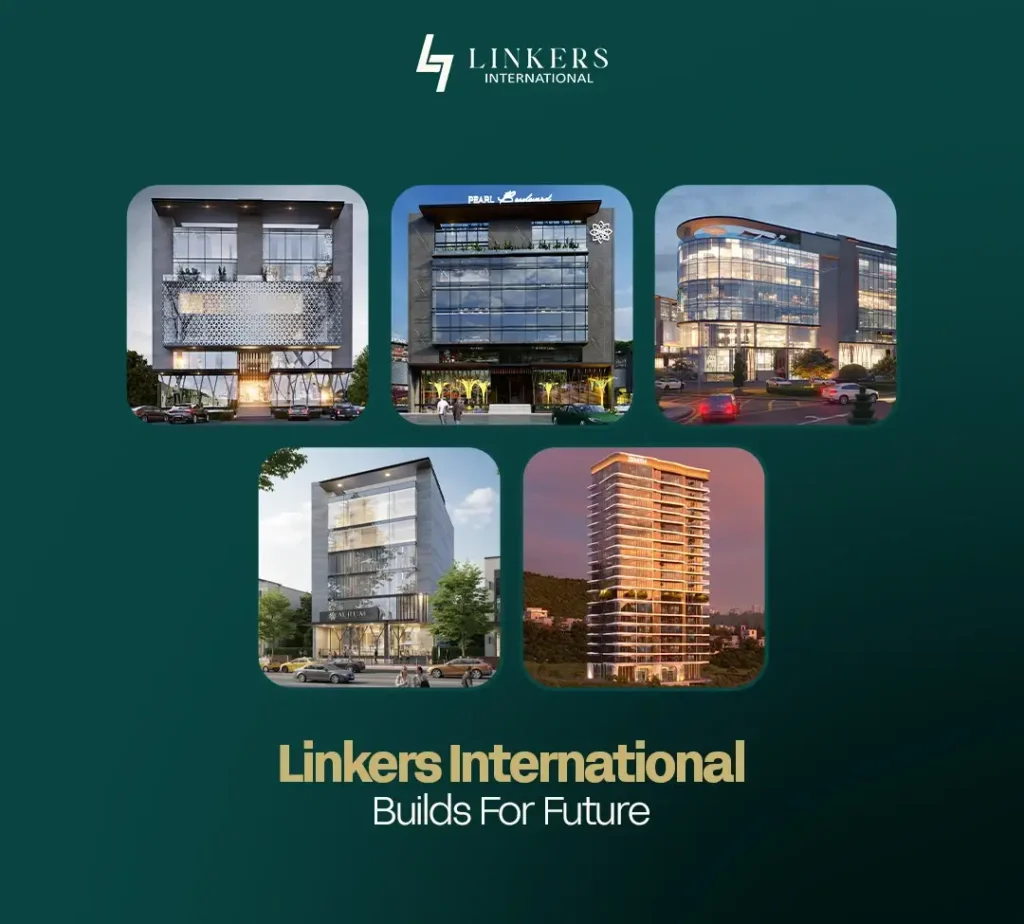
At Linkers International, climate resilience is approached as a long-term commitment rather than a marketing trend. From the beginning, the company has focused on sustainable principles, evident in every commercial development in DHA Islamabad, such as Pearl Business Center, Pearl Boulevard, 27 Arclink, and Aurum Orchard. While planning each project, Linkers International emphasizes environmental responsiveness, structural safety, and sustainable performance.
Developments such as the Zenith residential tower in DHA Islamabad reflect this forward-thinking approach, integrating modern safety standards, thoughtful orientation, and systems designed to support long-term resilience in high-rise living. The focus is on creating environments that protect occupants, maintain performance, and retain value in an increasingly unpredictable climate.
By aligning global best practices with local realities, Linkers International continues to shape projects that are prepared not just for today’s conditions, but for the decades ahead.
Climate-proofing Buildings for the Next 30 Years
Buildings designed today will define how cities function tomorrow, shaping not only skylines but also resilience, livability, and long-term economic value. The question is no longer whether climate adaptation is necessary. It is about how intentionally and proactively it is integrated into every stage of design and construction, transforming climate risk into an opportunity for smarter, more durable, and future-ready development.