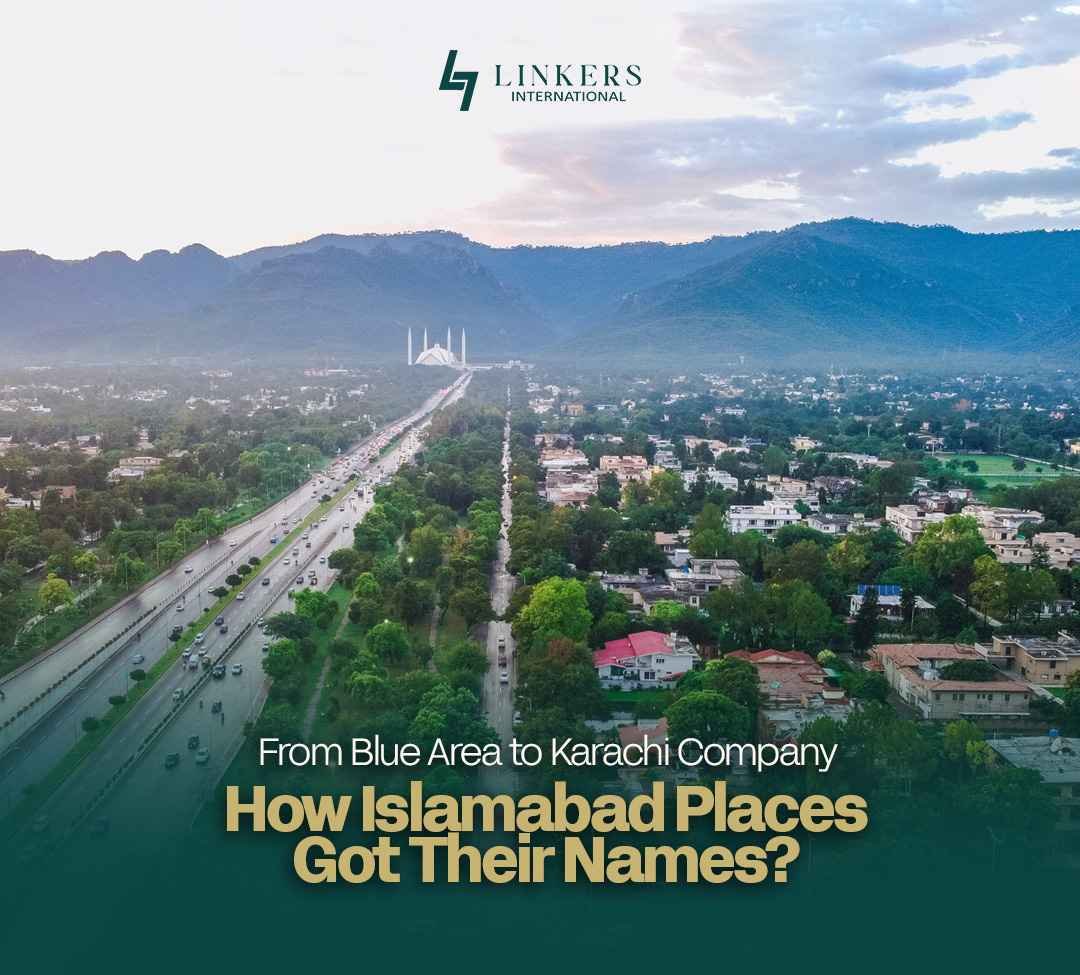
Islamabad may be one of the youngest cities in Pakistan, but it boasts a rich variety of place names that are anything but generic. Unlike many organically grown cities where neighborhoods are often named after historical figures or geographic features, Islamabad’s naming conventions are a fascinating mix of planning jargon, cultural references, economic functions, and informal nicknames.
While the city’s grid-style sectors like F-7, G-9, or H-8 speak to its planned origins, the real personality of Islamabad reveals itself in names like Karachi Company, Sitara Market, Aabpara, and Jinnah Super. These names aren’t just directions on a map; they reflect how people live, shop, socialize, and remember.
Let’s explore some of the most well-known and uniquely named places in Islamabad and the stories behind them.
Karachi Company (G-9 Markaz)
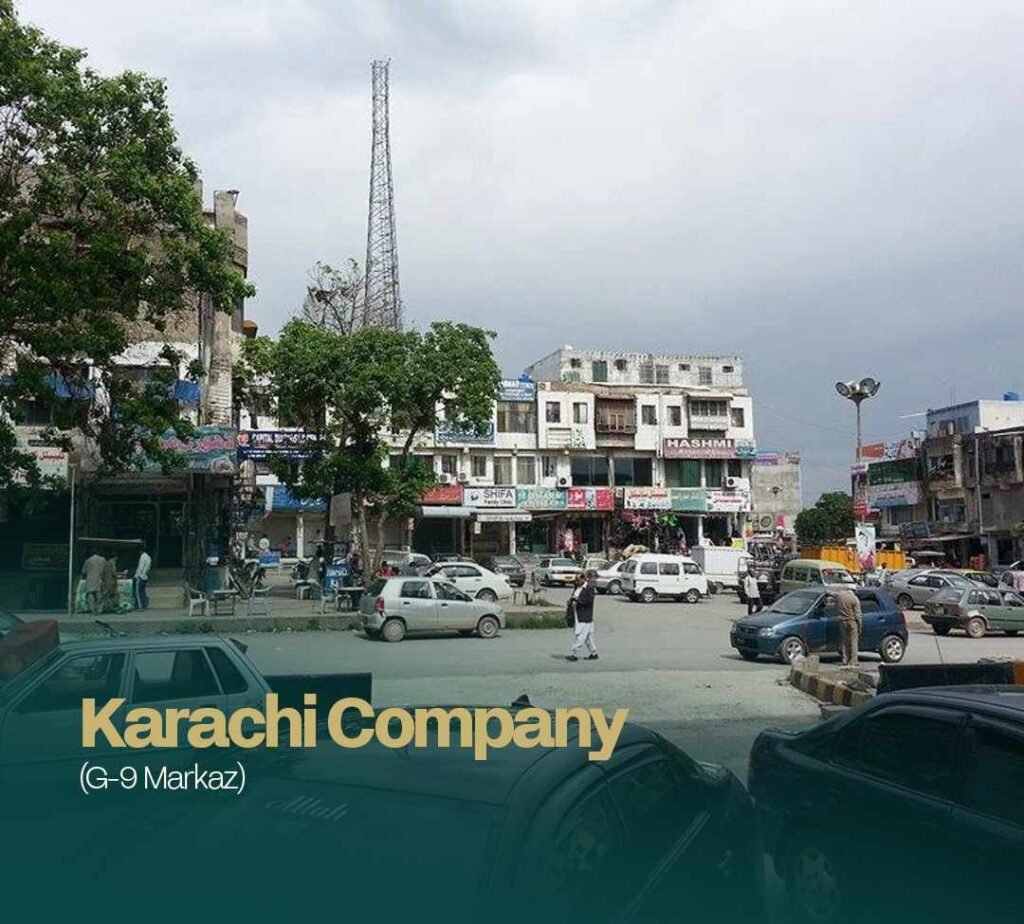
At first glance, the name Karachi Company in Islamabad’s G-9 sector seems out of place. Why would a market in the capital bear the name of another city?
The story traces back to the early days of Islamabad’s development, when this area was still under construction. The construction company assigned to the project happened to be based in Karachi. Naturally, laborers and workers associated the site with the company’s origin.
When commuting, these workers would tell the local wagon drivers to drop them off at the Karachi Company, a term that quickly caught on. Over time, the nickname became so commonly used that it overshadowed the official name, G-9 Markaz, and today, it’s known citywide as Karachi Company.
Sitara Market (G-7)
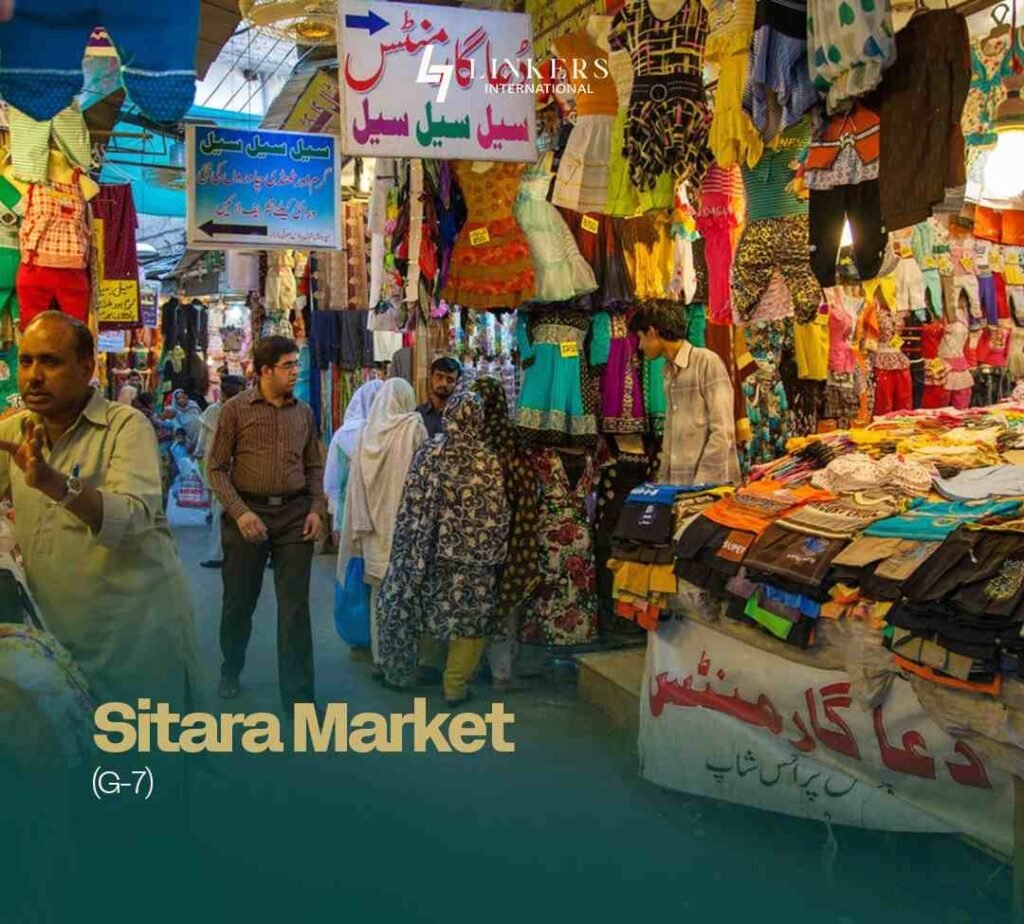
Sitara Market is nestled in G-7, a sector near the government quarters and old residential zones. The word “Sitara” means star in Urdu, but the exact origin of the name is unclear, possibly named after a local business or simply as a poetic, aspirational title.
Sitara Market is known for its affordable clothing, shoes, tailors, and street food. It serves a primarily working-class population and has a vibrant, old-school charm.
Aabpara Market (G-6)
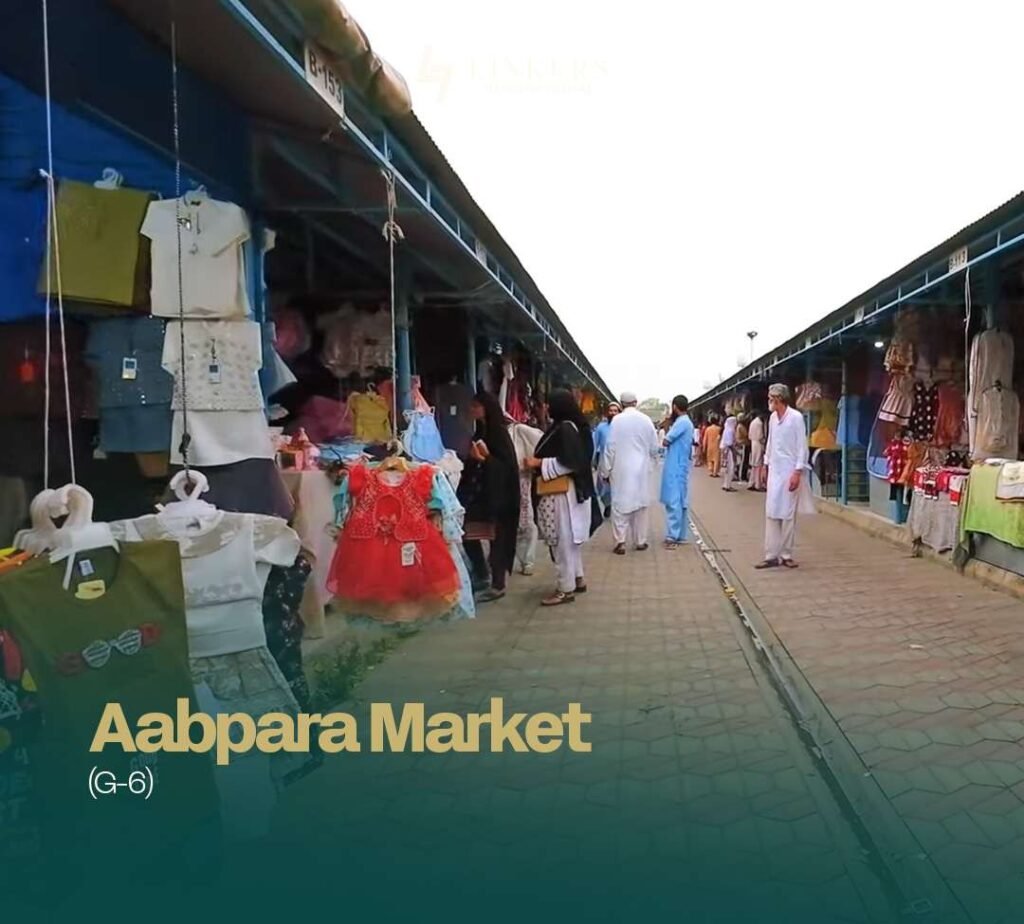
The name Aabpara carries more history and mystery than most might expect. Before Islamabad rose from its master plan in 1960s, the area where Aabpara Market now stands was known as Bagh Bhattan, a more rural, green landscape.
As one of the earliest established markets in the capital, Aabpara became a central hub for government employees, traders, and residents. But how did it get its distinctive name?
According to the locals, Aabpara was named after a girl. Some say she was the first child born in the area, while others claim she was a Bengali girl who lived nearby during the early settlement days. Whichever version you choose to believe, it was her name, Aabpara, that left a lasting mark, eventually becoming the official name of the market and the surrounding area.
Blue Area (F-8 to G-8)
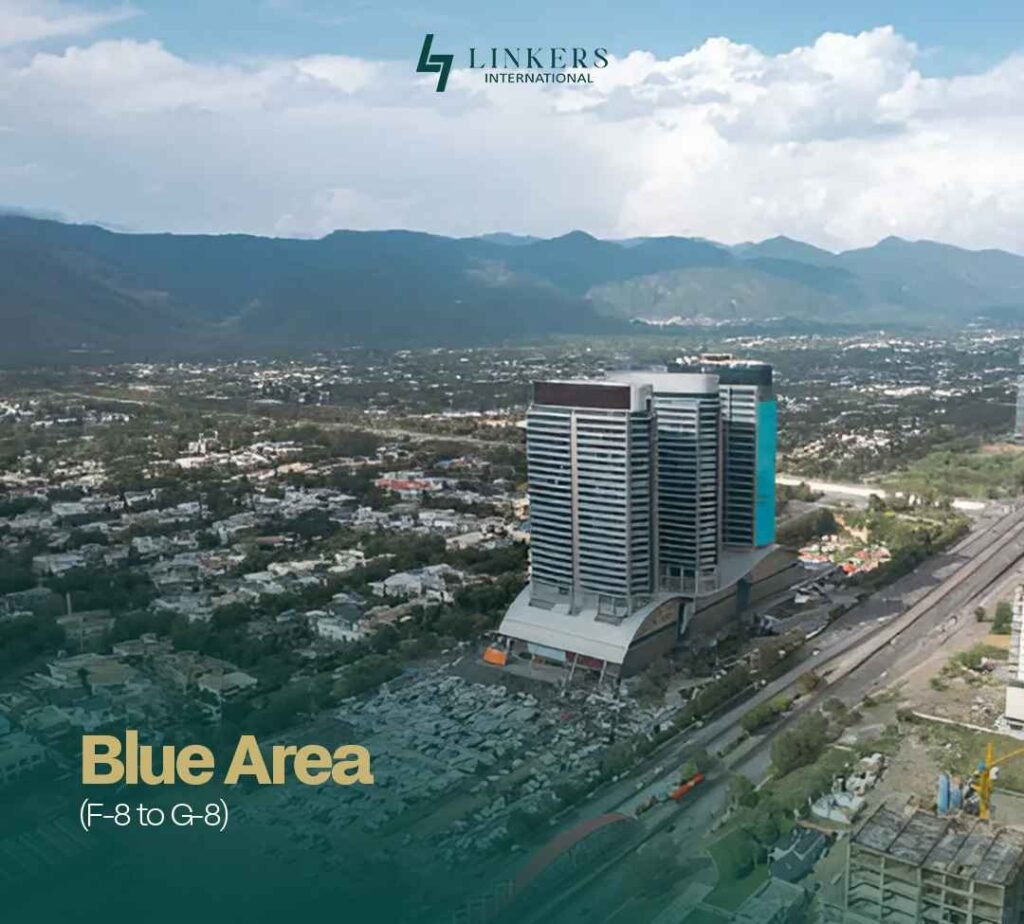
If you’ve ever driven down Islamabad’s main business corridor, you’ve passed through the famous Blue Area. But why “blue”?
During the city’s Master Planning Phase, by Greek architect Constantinos Doxiadis, the commercial zones were color-coded on maps. This particular strip along Jinnah Avenue was shaded blue to designate it as the central business district. It was also meant to differentiate between residential (green) and industrial (yellow).
The name stuck and became official. Today, it’s home to corporate offices, banks, high-rises, government institutions, and shopping plazas.
Super Market (F-6 Markaz)
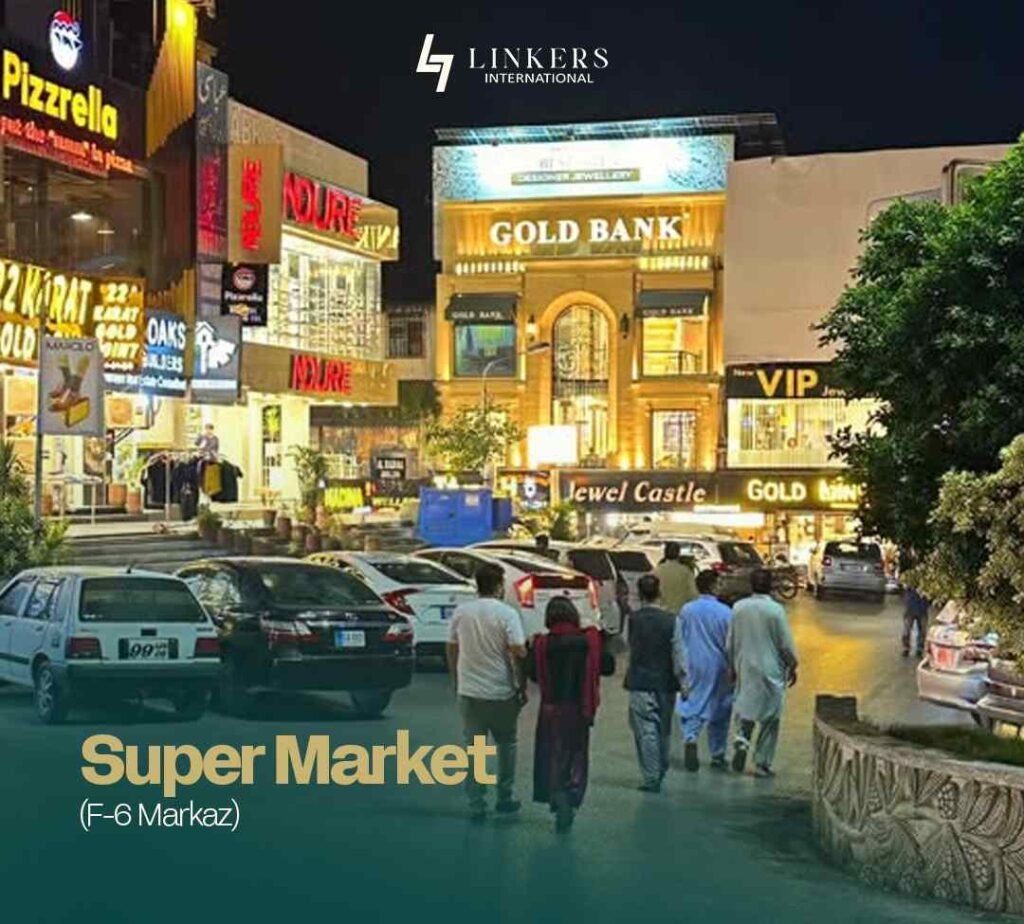
Before “supermarket” became a retail format, Islamabad had its own Super Market, an upscale commercial center in F-6 Markaz. The term “Super” here simply meant “bigger” or “better” than a standard market, and it was one of the first well-planned shopping districts in the city.
Today, it remains a favorite for diplomats, artists, writers, and long-time residents. Quaint bookstores, bakeries, and craft shops give it an old-world charm.
Jinnah Super (F-7 Markaz)
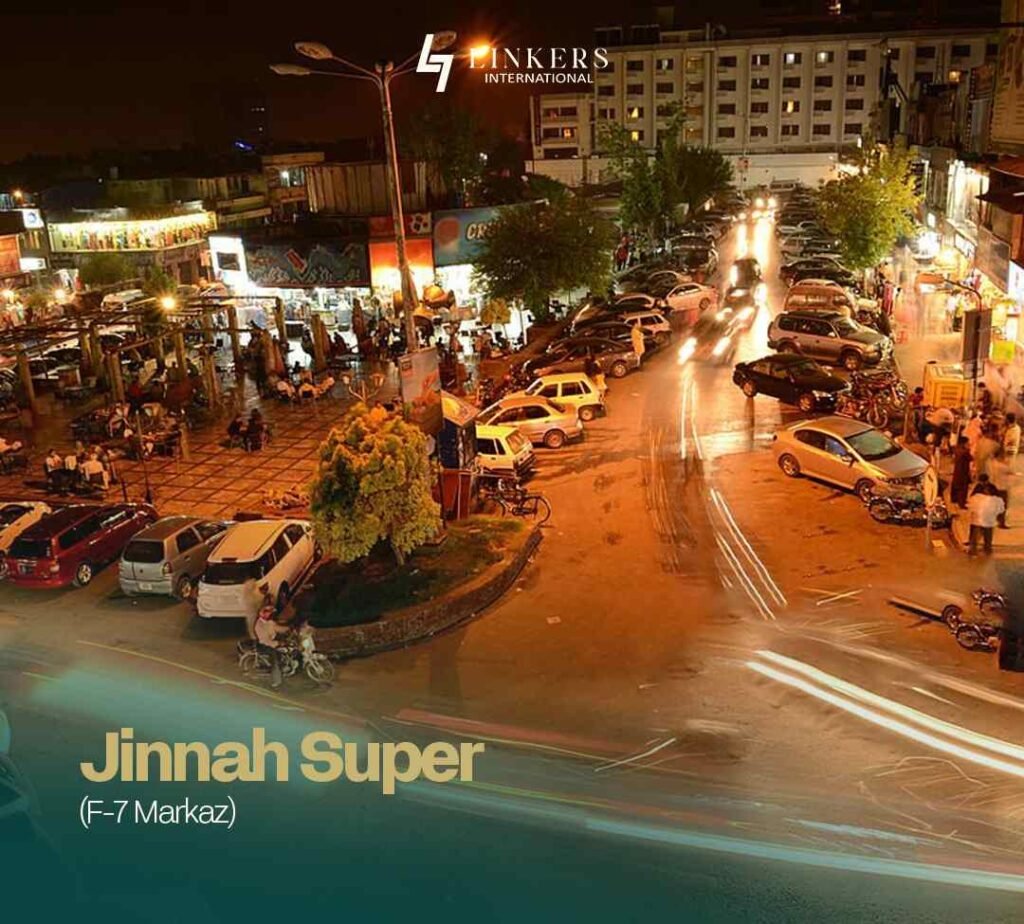
A posh and popular market located in F-7 Markaz, Jinnah Super is one of Islamabad’s trendiest commercial areas. The name is a tribute to Quaid-e-Azam Muhammad Ali Jinnah, Pakistan’s founding father. The “super” part signifies its status as a larger, upscale market compared to others. Some locals also said that the name was given by the traders to show that this market was superior to the Supermarket of F-6 Markaz.
With boutique clothing stores, cafes, international chains, and bookstores, Jinnah Super blends elite shopping with youthful energy.
Zero Point
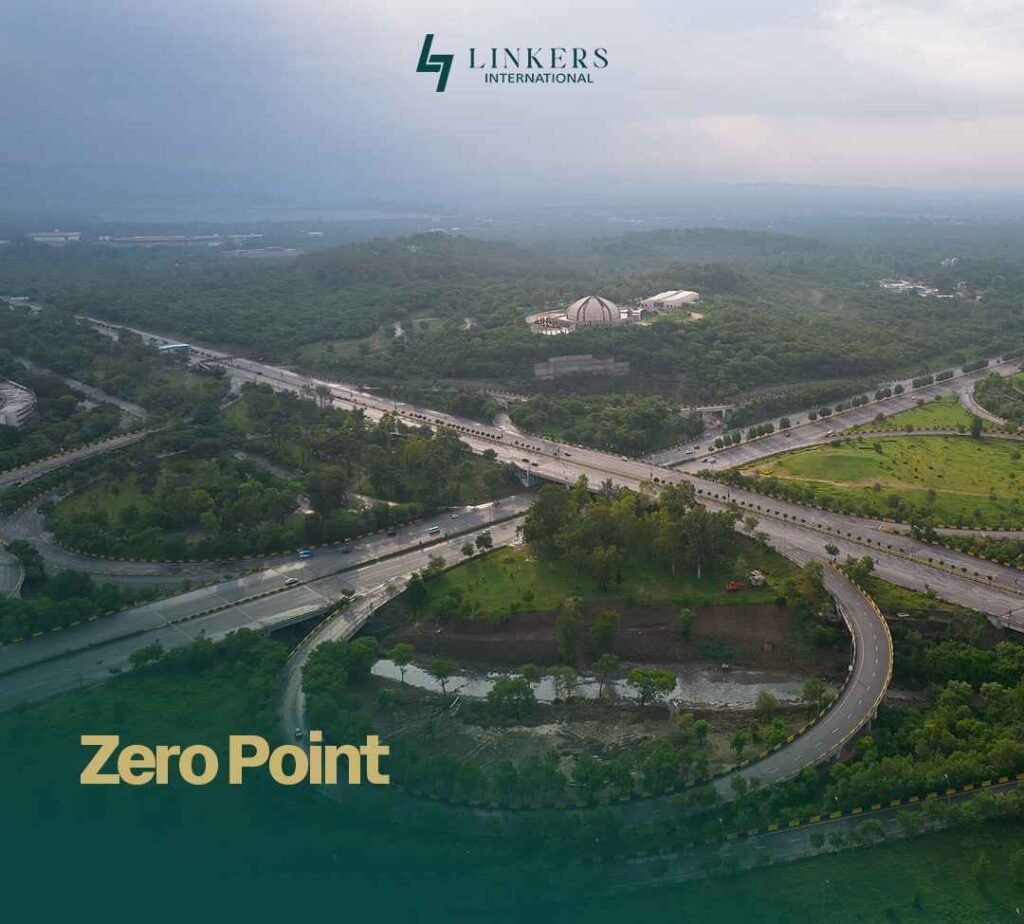
The name Zero Point might sound technical, but in the story of Islamabad, it’s far more symbolic than sterile. As the name suggests, Zero Point marks the geographic and planning origin of the capital, the spot from which all roads, distances, and directions radiate. In other words, it’s the starting point of Islamabad.
When the city was being designed in the early 1960s by Greek architect Constantinos Doxiadis, Zero Point served as the reference location for mapping out the city’s grid. It was quite literally ground zero, the point from which the entire layout of sectors, roads, and zones expanded outward in a precise, organized fashion.
Why These Names Matter
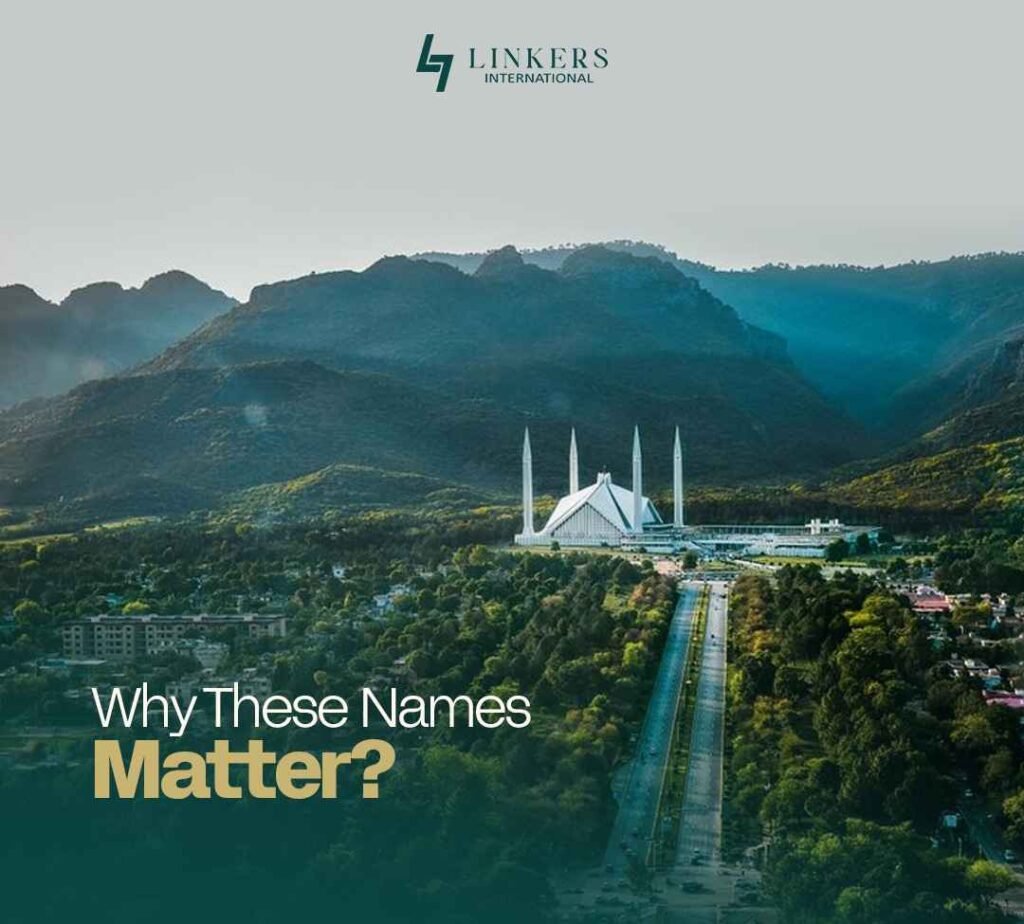
These informal-yet-official names show how Islamabad’s character is shaped as much by its people as by its planning. Despite its strict grid layout and sector codes, the city breathes through these personalized places that tell stories of migration, identity, aspiration, and daily life.
They also reflect how Islamabad has matured, from a sterile capital city built from scratch to a vibrant urban hub where culture, commerce, and community intersect.