
Pakistan’s property market is entering a new phase of transformation with the introduction of the green property certificate. Designed to replace decades of manual land records, the green certificate Pakistan initiative is modernizing the way property ownership is recorded, verified, and transferred. By moving to a fully computerized land record system, the Punjab government aims to improve transparency, reduce disputes, and streamline real estate transactions.
The launch of the green certificate Punjab marks a significant milestone, replacing Punjab’s 485-year-old manual property registration system with a complete digital platform. This transition represents a fundamental shift in how ownership records are maintained, making property transactions more secure, efficient, and accessible for buyers, sellers, and investors.
Whether you’re a homeowner, investor, or first-time buyer, understanding the green property certificate punjab pakistan is becoming increasingly important. In this article, we’ll explore how the green certificate and the replacement of the traditional Fard system will reshape property transactions, influence market dynamics, and simplify the ownership process across the province.
So What Exactly is the Fard?
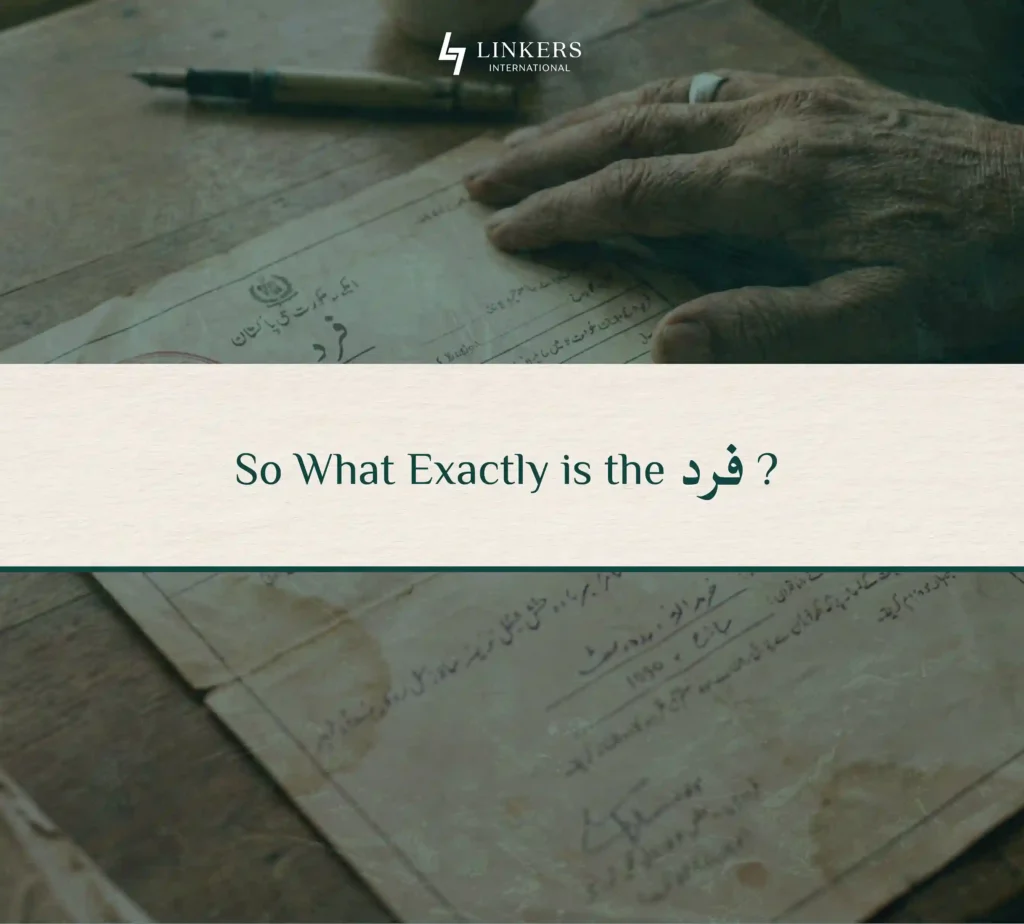
A Fard (also known as Fard-e-Malkiat) is a document that shows who owns a property. It includes information such as the owner’s name, land size, and type of land. For decades, it has been the go-to proof of ownership in Pakistan’s property system.
Historically, this system dates back to land revenue practices introduced during the 16th century under Sher Shah Suri, which were later formalized during the British colonial period. Over time, it became part of the patwari-based land record system used across Punjab. However, despite its long history, the Fard system remained:
- Paper-based
- Manually maintained
- Dependent on local record keepers
Because of this, it became increasingly outdated in a modern, fast-moving real estate environment.
But What is Wrong With the Fard?
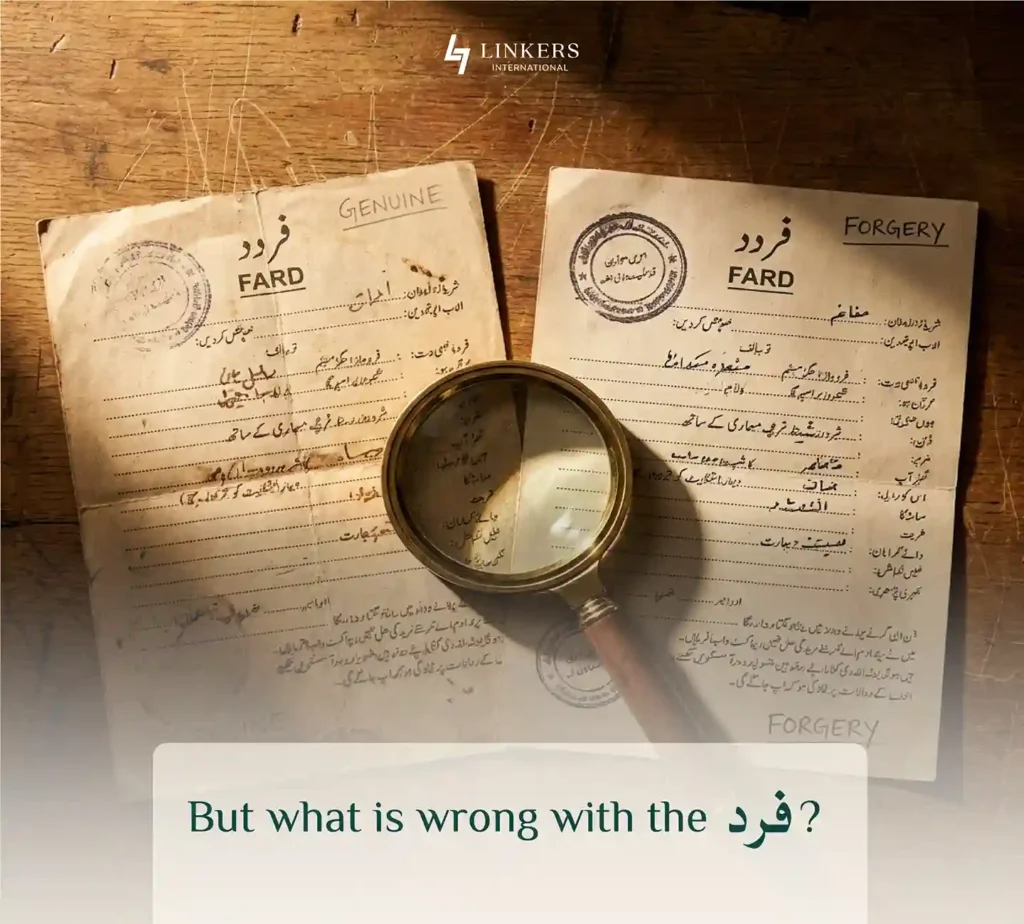
While Fard served as the primary ownership proof for generations, it had several serious limitations. The Fard is a document that only confirms a person’s ownership rights over a property, but it does not verify physical possession, guarantee eligibility for a loan, or confirm that the property is free from legal disputes or encumbrances.
Moreover, being a manual document, it was vulnerable to tampering, duplication, and human error. Verification often required visiting government offices, which made the process slow and sometimes unreliable.
- Ownership limitations
- Manual system flaws
- Verification uncertainty
Another major issue was the system’s reliance on local officials, which created opportunities for mismanagement and, in some cases, corruption. Buyers often faced uncertainty because even a valid-looking Fard could sometimes be outdated or inaccurate.
These challenges made it clear that the system needed a modern, secure alternative.
The Beginning of the Green Property Certificate
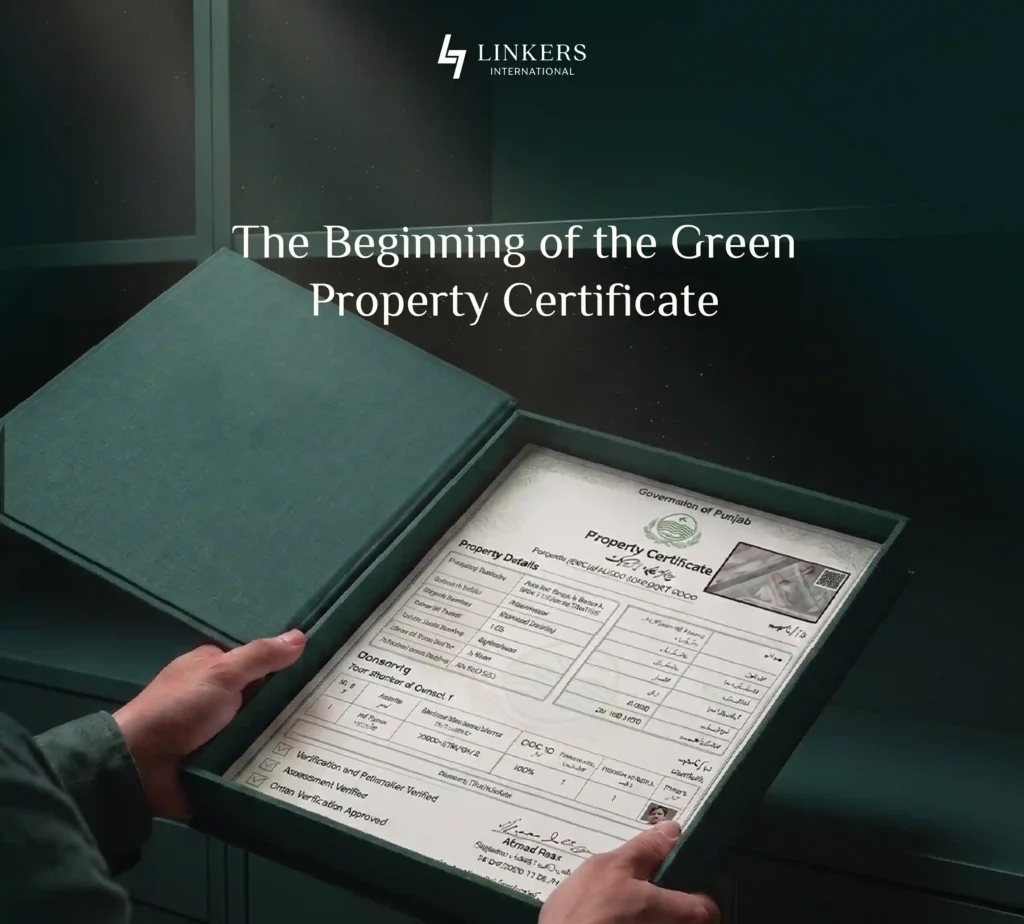
If you’re wondering what is green property certificate in Pakistan, it is a digitally verified property ownership document introduced by the Punjab government to modernize the land registration system. Issued through the Punjab Land Records Authority (PLRA), the punjab green certificate for property is directly linked to a centralized digital database, ensuring secure and transparent ownership verification.
Green certificate Pakistan is essentially the modern replacement for the traditional Fard. It has been designed to:
- Confirm property ownership in real time
- Ensure the property is legally recorded in the official digital land records
- Provide a secure, tamper-proof verification system
Unlike conventional paper-based ownership documents, the Green Certificate is backed by a centralized digital record, making property verification more reliable, transparent, and resistant to fraud.
From Pilot to Province-Wide Rollout
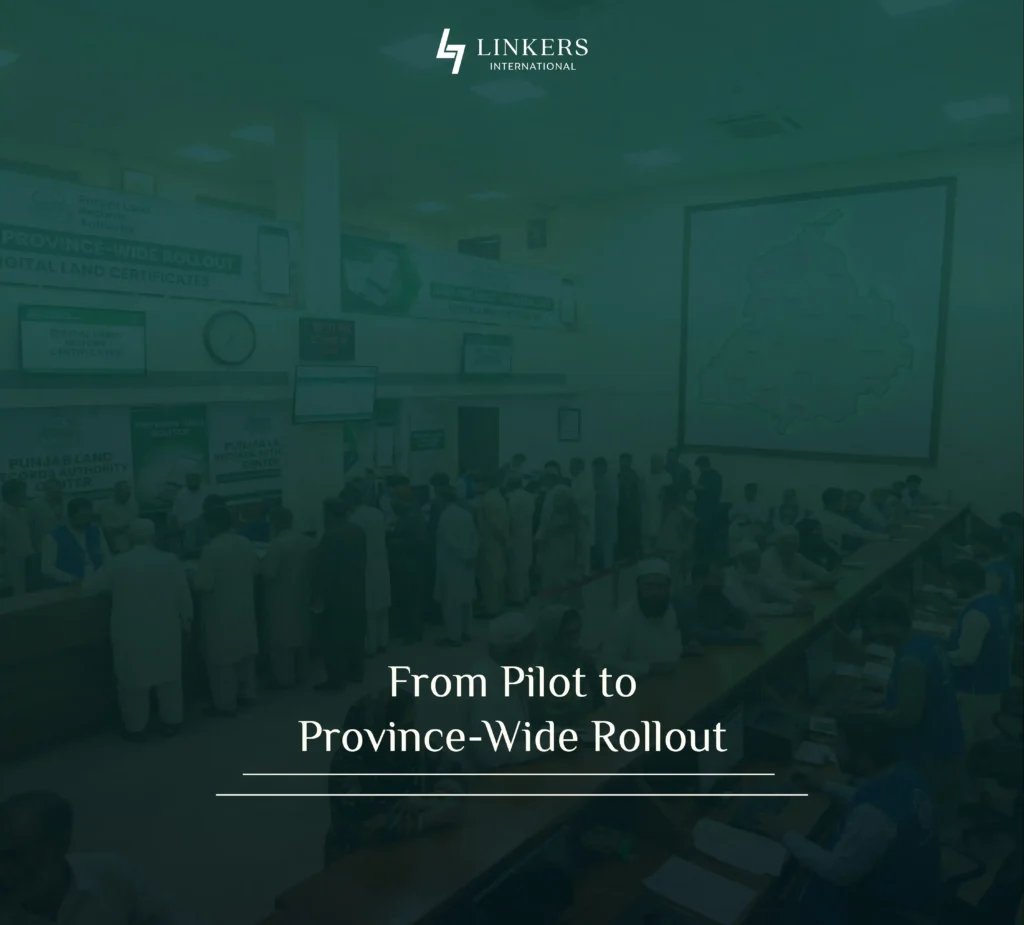
The government is officially phasing out the Fard system, starting from Sahiwal and followed by Lodharan and Hafizabad, ending a practice that has existed for centuries. This reform is part of a broader effort to digitize land records and bring transparency to the real estate sector. For buyers and sellers, new digital fard document marks a clear shift toward a regulated and standardized transaction process.
- Pilot Project starting from Sahiwal: May 1, 2026
- Lodharan and Hafizabad: July 1st, 2026
- Other Parts of Punjab: December 2026
Starting December 2026, the Green Property Certificate will become mandatory for all property transactions in Punjab. This means that buying or selling any residential, commercial, or agricultural property without this certificate will not be allowed.
How to Get a Green Certificate for Property in Punjab
Applying for a Green Certificate for Property is a straightforward process through the Punjab Land Records Authority (PLRA). Whether you’re purchasing a new property or updating your ownership records, the green certificate punjab is designed to make verification faster, more secure, and transparent.
While PLRA Green Certificate online apply services are expected to expand over time, applicants currently need to visit the relevant land records office to complete the process.
Documents Required for Green Property Certificate
Before visiting the Arazi Record Center (ARC), make sure you have the following:
- Original CNIC
- Property ownership documents (Registry/Fard)
- Property details (Khewat, Khasra, or other relevant information)
- Any additional documents requested by the PLRA officer
Steps to Apply for a Green Certificate for Property
Step 1: Visit the Nearest Arazi Record Center (ARC)
Go to the ARC in the tehsil or district where your property is registered.
Step 2: Request the Green Property Certificate Service
Inform the reception staff that you want to apply for a Green Property Certificate. You will be issued a service token for your turn.
Step 3: Submit Your Documents
Provide your CNIC, property details, and ownership documents for verification.
Step 4: Verification by PLRA
A PLRA officer will verify your ownership details using the official digital land records database.
Step 5: Eligibility Check
The officer will confirm that your property qualifies for the certificate and ensure all required documents are complete and accurate.
Step 6: Certificate Issuance
Once the verification process is complete, your Green Certificate for Property will be generated. You will receive a printed certificate or an acknowledgement slip, depending on the service process.
Fee of Green Certificate in Punjab
The fee for a Green Certificate in Punjab may vary based on the type of property and applicable PLRA service charges. Applicants are advised to confirm the latest fee schedule at their nearest Arazi Record Center or through official PLRA channels before applying.
Green Property Certificate Online Check
As the digital land record system continues to expand, Green Certificate Punjab online check services are expected to become more accessible. Property owners should use official PLRA platforms to verify certificate status and ownership records whenever online verification is available.
Why Green Property Certificate Matters
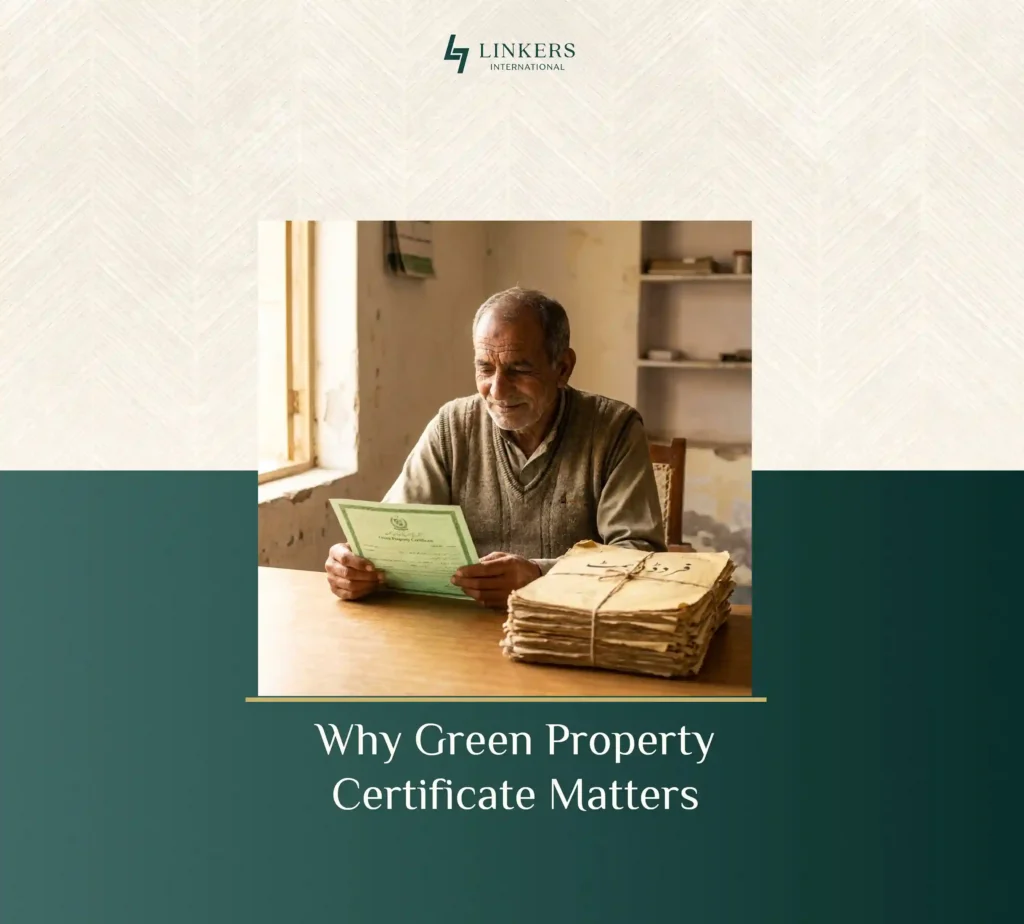
The launch of the Green Property Certificate Punjab directly addresses some of the biggest problems in the real estate market. Property fraud, fake documents, and ownership disputes have long been concerns for investors and buyers alike.
By introducing a digital certificate system, the government aims to:
- Eliminate fraudulent documentation
- Reduce legal disputes
- Improve trust in property transactions
In essence, the latest real estate reforms to create digital land records will bring clarity and accountability to a system that previously lacked both.
Impact of Green Property Certificate on Buying & Selling Property
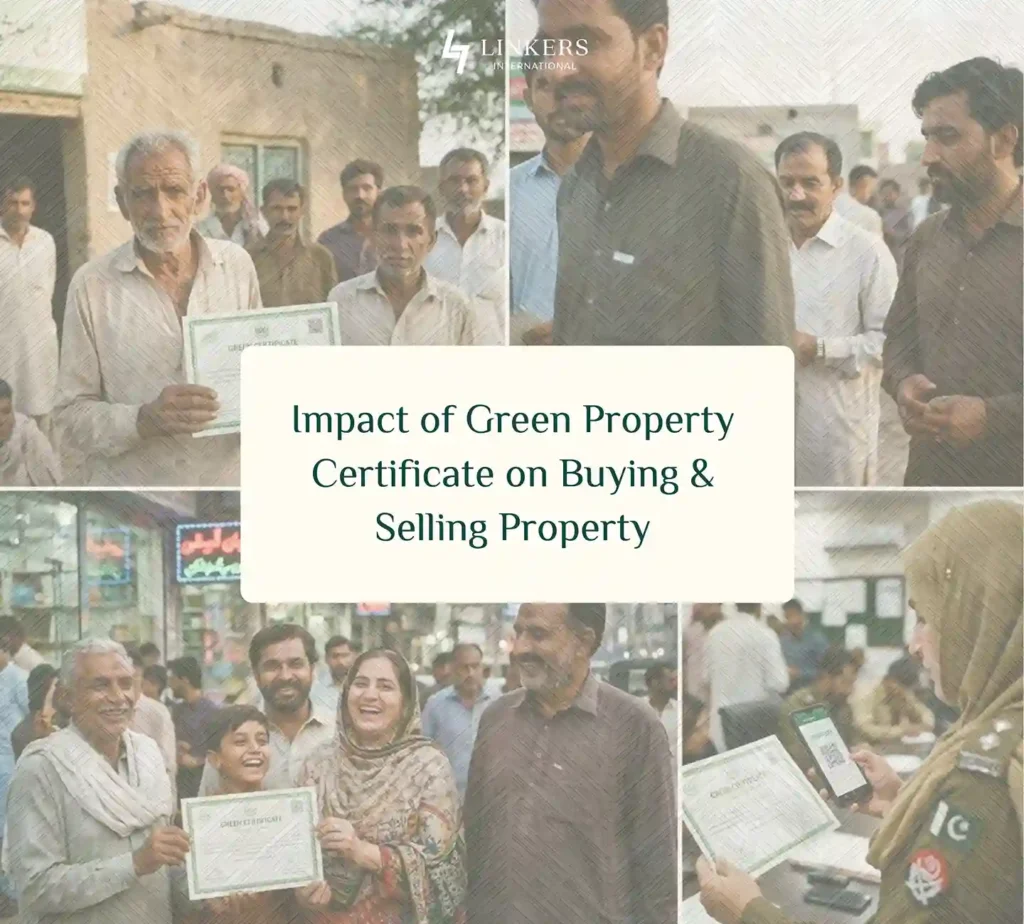
The introduction of the Green Property Certificate is set to significantly reshape how property transactions take place in Punjab. It will ensure every property is digitally verified before any sale or purchase. Overall, it is expected to make the real estate market more secure and trustworthy.
More Structured Transactions: With the Green Property Certificate now required, every transaction must go through proper verification channels. This creates a more organized and secure buying and selling process.
Faster Processing: Digital verification reduces the need for manual checks and repeated visits to offices. As a result, transactions can be completed more efficiently and with fewer delays.
Reduced Informal Practices: The shift toward digital records limits the role of informal intermediaries and undocumented dealings. This makes the market more formal and trustworthy.
Increased Legal Clarity: Since ownership is verified through a centralized system, both buyers and sellers have a clear understanding of property status, reducing confusion and risk.
Key Benefits of Green Property Certificate for Buyers
For buyers, the Green Property Certificate introduces a new level of confidence and security in property investment and reduces the risk of purchasing disputed or illegally documented properties. In the long run, the new digital ownership certificate empowers buyers with greater transparency and stronger legal protection.
Strong Protection Against Fraud: One of the biggest advantages is protection from fake or duplicate documents. Buyers can now rely on a system that is digitally secured and government-verified.
Verified Ownership Records: The certificate ensures that ownership details are accurate and up to date. This gives buyers confidence that they are investing in a legitimate property.
Transparency in the Process: With digital records, buyers can access clear information about the property’s status. This removes much of the uncertainty that existed in the past.
Faster Decision-Making: Since verification is quicker, buyers can make decisions faster without long waiting periods for document confirmation.
Improved Investment Confidence: Overall, the system creates a safer environment for investment, encouraging both local and overseas buyers to participate in the market.
Investing in Verified Real Estate Projects in Islamabad
The introduction of the Green Property Certificate marks a major step toward improving transparency and security in Pakistan’s real estate sector. As digital property verification becomes the new standard, buyers and investors should prioritize projects developed with proper approvals, credible developers, and clear ownership documentation.
Whether you’re purchasing a residential apartment or a commercial property, investing in professionally developed projects can help reduce risks while maximizing long-term value. The following projects in DHA Islamabad represent investment opportunities that align with the growing demand for secure, well-planned, and future-ready real estate.
Zenith by Linkers Luxury Apartments in DHA Islamabad
As property ownership becomes more transparent through the Green Property Certificate, investing in professionally developed residential projects is more important than ever. Zenith by Linkers offers premium apartments in DHA Islamabad, combining modern architecture with world-class lifestyle amenities in one of the capital’s most sought-after residential communities.
Key Features
- Prime location in DHA Islamabad
- One of the newest apartment projects in DHA Islamabad
- Contemporary glass façade architecture
- 1-bedroom, 2-bedroom apartments, and luxury penthouses
- Rooftop swimming pool
- Fully equipped fitness gym
- Premium spa and wellness facilities
- Concierge services
- Rooftop BBQ and social gathering area
- Secure basement parking
- 24/7 security and CCTV surveillance
- Elegant interiors with premium finishes
The project features 1-bedroom, and 2-bedroom apartments, along with luxury penthouses, complemented by a rooftop swimming pool, fitness gym, spa, concierge services, rooftop BBQ area, basement parking, and 24/7 security. With flexible payment plans and strong rental potential, Zenith is an ideal choice for homebuyers, investors, and overseas Pakistanis seeking a secure long-term investment.
Aurum by Linkers Commercial Shops & Offices in DHA Phase 1 Islamabad
The shift toward digital property verification encourages investors to choose commercial developments backed by strong planning and legal transparency. Aurum by Linkers is a modern mixed-use project offering premium retail shops and corporate offices in DHA Phase 1 Islamabad, designed to create a thriving business ecosystem for retailers, entrepreneurs, and professionals.
- 40% Down payment
- 18-month Payment Plan
- Construction-Linked Payment Plan
- Possession in 12 Months
With the grey structure already 50% complete, Aurum is among the fastest-developing commercial projects in the area. A 40% down payment, an 18-month construction-linked payment plan, and possession within 12 months make it an attractive opportunity for investors seeking sustainable rental income and long-term capital appreciation.
27 Arclink Commercial Shops, Offices & Food Court in DHA Phase 1 Islamabad
As the Green Property Certificate brings greater confidence to property transactions, investors are increasingly focusing on strategically located commercial developments. 27 Arclink by Linkers, located on Main Link Road, is the first three-sided drive-thru commercial project in DHA Phase 1 Islamabad, offering retail shops, corporate offices, and a modern food court within a high-visibility business destination.
- Located on Main Link Road
- Shops, offices, and food court
- Curved facade architecture
- 75% Structure Complete
- High visibility and excellent accessibility
With 75% of construction completed and handover expected by the end of 2026, 27 Arclink combines contemporary architecture, flexible payment plans, and strong commercial potential, making it a compelling investment for businesses and property investors alike.
Pearl Business Center Ready Offices in DHA Phase 1 Islamabad
For investors seeking operational commercial properties in an increasingly transparent real estate market, Pearl Business Center offers ready-to-move office spaces in DHA Phase 1 Islamabad. As a fully operational business hub, it provides companies with a prestigious corporate address while offering investors the advantage of immediate rental income.
- 60% Down Payment
- on-spot possession
- 1-year payment plan
Featuring modern office spaces, professional facilities, secure parking, and excellent connectivity, Pearl Business Center is an ideal choice for businesses looking to establish a presence in one of Islamabad’s most active commercial districts. Its operational status and established tenant ecosystem make it a reliable investment in today’s evolving property landscape.
End of Fard Era in Punjab
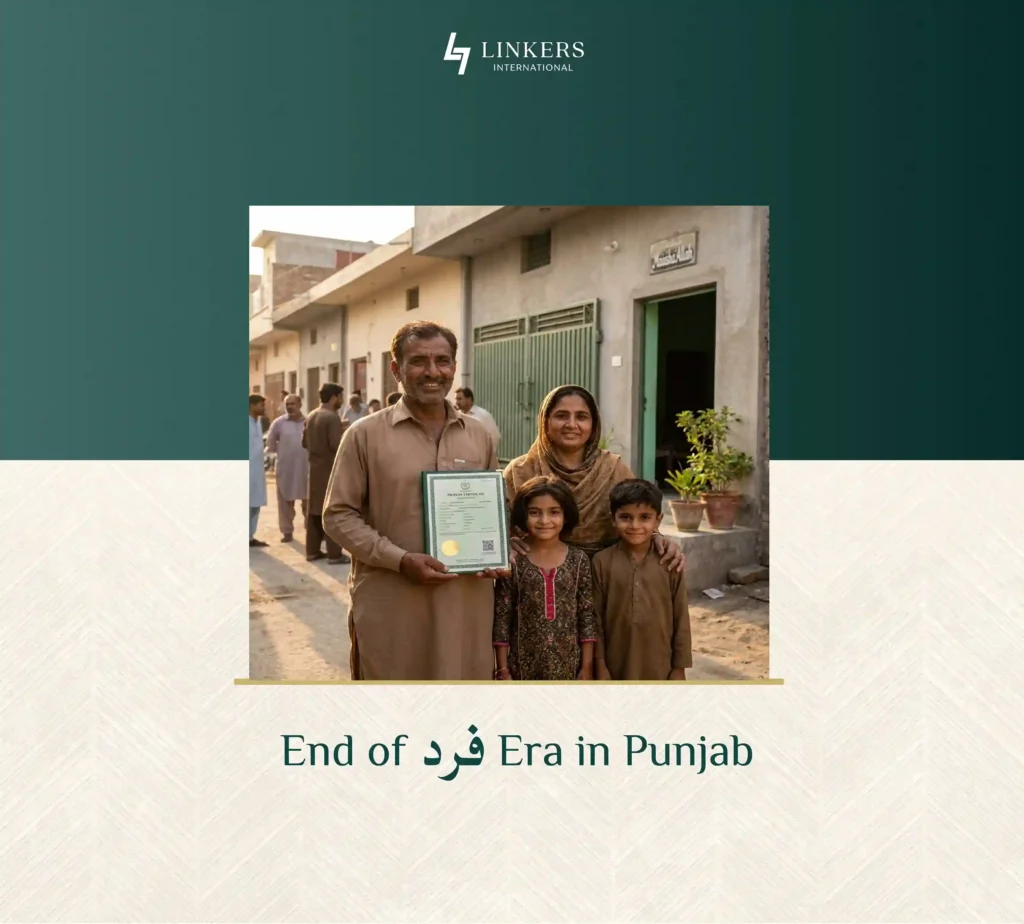
The end of the Fard era marks a turning point in Pakistan’s real estate history. While the traditional system served its purpose for centuries, it no longer meets the demands of a modern market. The green certificate Pakistan introduces a new level of security, transparency, and efficiency that benefits both buyers and the industry as a whole.
For anyone looking to buyer or sell property in Punjab, this new property ownership system will be a step toward a safer and more trustworthy future in real estate.
Frequently Asked Questions (FAQs) About Green Property Certificate
Can I get a Green Property Certificate online?
Yes, eligible property owners can apply for a Green Property Certificate through the relevant online government portal.
What is the property law in Punjab 2026?
Punjab’s 2026 property regulations focus on digitising land records, streamlining property transactions, and improving transparency.
Is a Green Property Certificate mandatory?
It depends on the property and transaction. It is not universally mandatory for all properties.
What are the recent changes in registry rules in Punjab?
Recent changes focus on digital registration, verification of property records, and making the registry process more transparent and efficient.