
For decades, the real estate industry in the developed world operated on a familiar assumption: young adults would finish their education, secure a job, get married, and purchase a home in their late 20s or early 30s. This predictable lifecycle shaped housing development across the world. Today, that assumption is being challenged.
Generation Z, those born roughly between 1997 and 2012, is entering adulthood in a dramatically different economic environment. While previous generations viewed homeownership as an early milestone, Gen Z is approaching housing with different priorities, financial realities, and lifestyle expectations. The question facing developers, investors, and urban planners is no longer whether Gen Z wants homes, but whether they want the same homes previous generations desired.
Global Shift in Housing Affordability
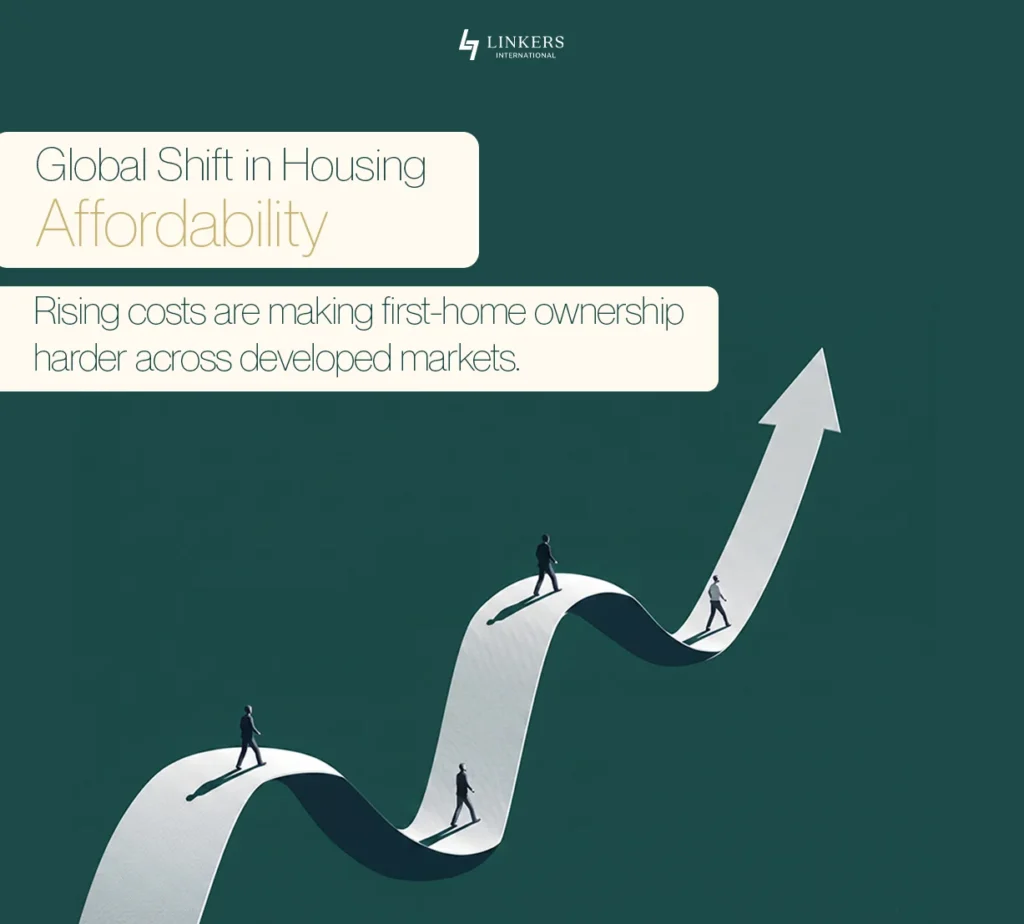
Housing affordability has become a growing challenge across major economies. According to Fortune, the median age of first-time homebuyers in the United States has risen significantly over the past decade, from 31 to 40, reaching record levels as rising property prices and higher borrowing costs push ownership further out of reach. Some analyses suggest that many members of Gen Z may not purchase their first homes until much later in life compared to previous generations.
This trend is not limited to the United States. Similar affordability pressures have emerged in Canada, the United Kingdom, Australia, and parts of Europe. Across many developed markets, younger buyers face a combination of rising housing costs, slower wage growth, and changing lifestyle preferences.
Analysts suggest that Gen Z is Redefining Traditional Housing, yet an important distinction remains: Gen Z has not abandoned the dream of homeownership. Surveys continue to show strong interest in owning property and building wealth through real estate. The difference lies in how they define the ideal home and when they expect to purchase it.
Gen Z Prioritizes Mobility and Convenience Over Homeownership
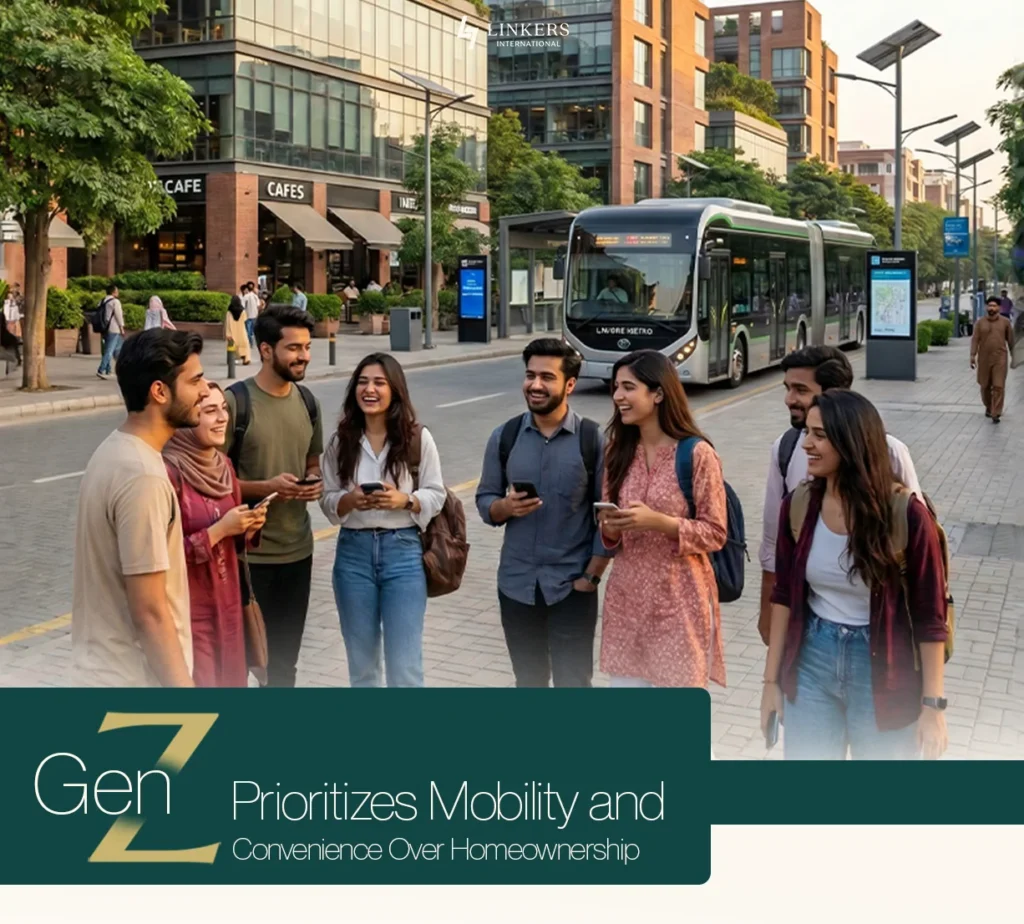
Unlike previous generations, Gen Z places a greater emphasis on flexibility. Many young professionals are delaying marriage, changing careers more frequently, and embracing remote or hybrid work arrangements. The rise of remote and hybrid work has further transformed housing preferences. Since daily commuting is no longer a necessity for many professionals, proximity to central business districts is less important than access to lifestyle amenities, affordable living, and quality digital infrastructure.
As a result, many Gen Z individuals prioritize mobility and convenience over homeownership at an early age. As a result, the traditional suburban home is no longer the only aspiration.
Around the world, developers are seeing growing demand for:
- Mixed-use communities
- Walkable neighborhoods
- Compact but efficient living spaces
- Rental-friendly developments
- Co-living and shared amenities
- Transit-oriented projects
In many global cities, younger residents increasingly prioritize convenience and lifestyle over square footage. The ability to walk to cafés, workplaces, fitness centers, and entertainment venues often outweighs the appeal of larger homes located farther away.
Technology Is Now a Housing Requirement for Gen-Z
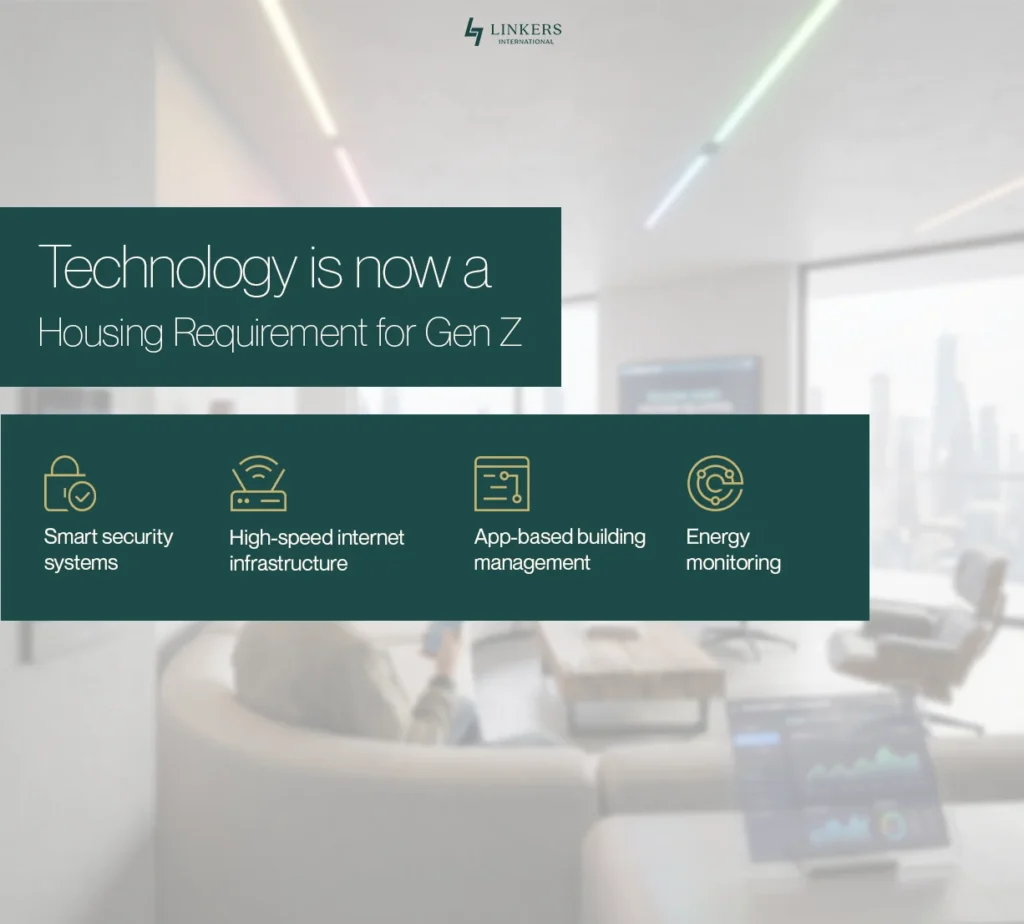
Generation Z is the first truly digital-native generation. Having grown up with smartphones, online services, social media, and connected devices, they expect technology to be seamlessly integrated into everyday life. For this generation, digital convenience is not a luxury, it is an expectation. Whether they are working, studying, shopping, or managing daily tasks, technology plays a central role in how they interact with the world.
For real estate, this translates into demand for:
- Smart security systems
- Digital access control
- Energy monitoring
- App-based building management
- High-speed internet infrastructure
- Smart home automation
Technology is also influencing how Gen Z searches for, evaluates, and interacts with properties. They are accustomed to seamless digital experiences and often expect the same level of convenience from housing providers. As remote work, digital services, and connected lifestyles continue to expand, properties that incorporate modern technology are likely to enjoy a competitive advantage.
In the coming years, technology may become as important to property value as location and design. Developers and investors who prioritize digital infrastructure and smart living solutions will be better positioned to meet the expectations of the next generation of homeowners and tenants.
Environmental Awareness: A Defining Characteristic of Gen Z
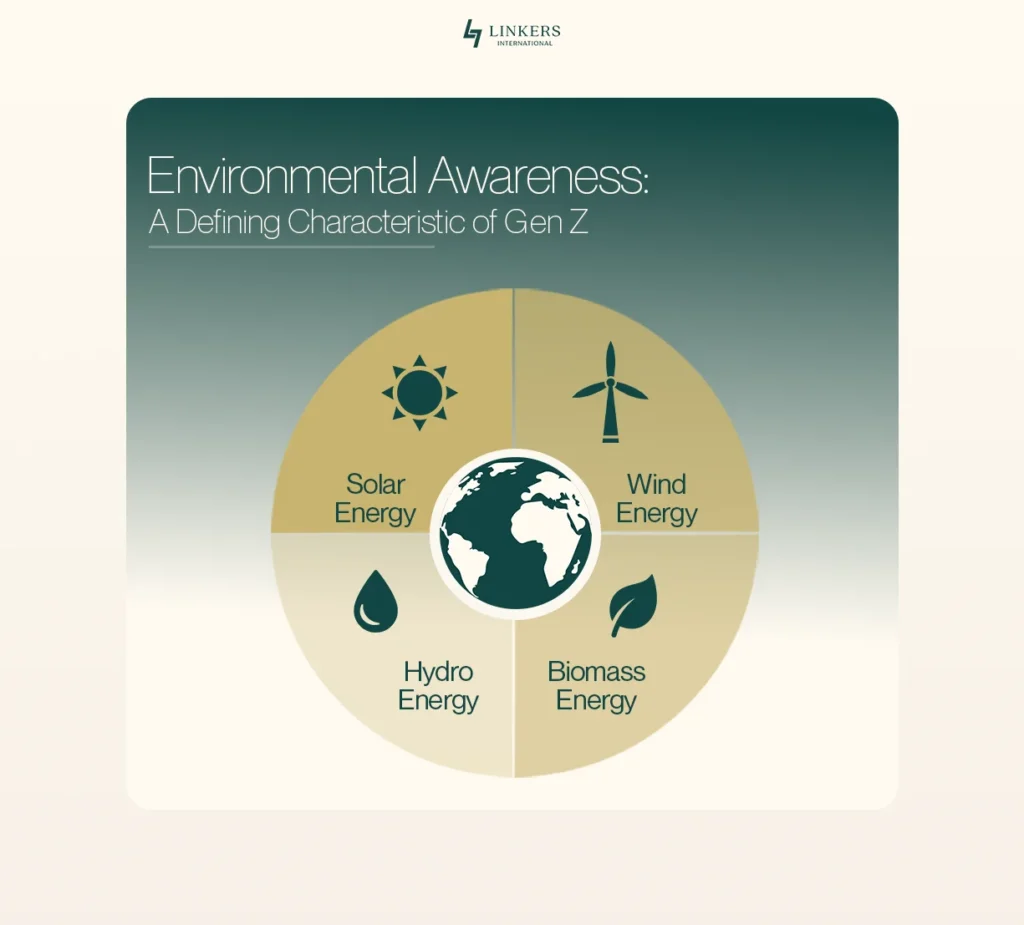
Environmental awareness is another defining characteristic of Gen Z. Globally, younger buyers are increasingly considering sustainability when making housing decisions. Energy-efficient buildings, green spaces, water-smart architecture, and environmentally responsible development practices are becoming important differentiators.
Key features attracting environmentally conscious buyers include:
- Energy-efficient building designs
- Solar power integration
- Water conservation and recycling systems
- Green spaces and urban landscaping
- Sustainable construction materials
- Waste management and recycling facilities
- Walkable, transit-oriented communities
Beyond environmental concerns, Gen Z often views sustainability as a practical financial consideration. Rising energy and utility costs have increased the appeal of homes that reduce long-term expenses while offering a healthier and more comfortable living environment. Properties that combine sustainability with affordability are likely to resonate strongly with this generation.
Developments that reduce utility costs while promoting healthier lifestyles are likely to gain stronger appeal among future buyers and tenants. This trend is especially relevant in countries facing climate challenges, where sustainability is becoming both an environmental and economic necessity.
Gen Z Is Redefining Traditional Housing With A Vision For Experiential Living
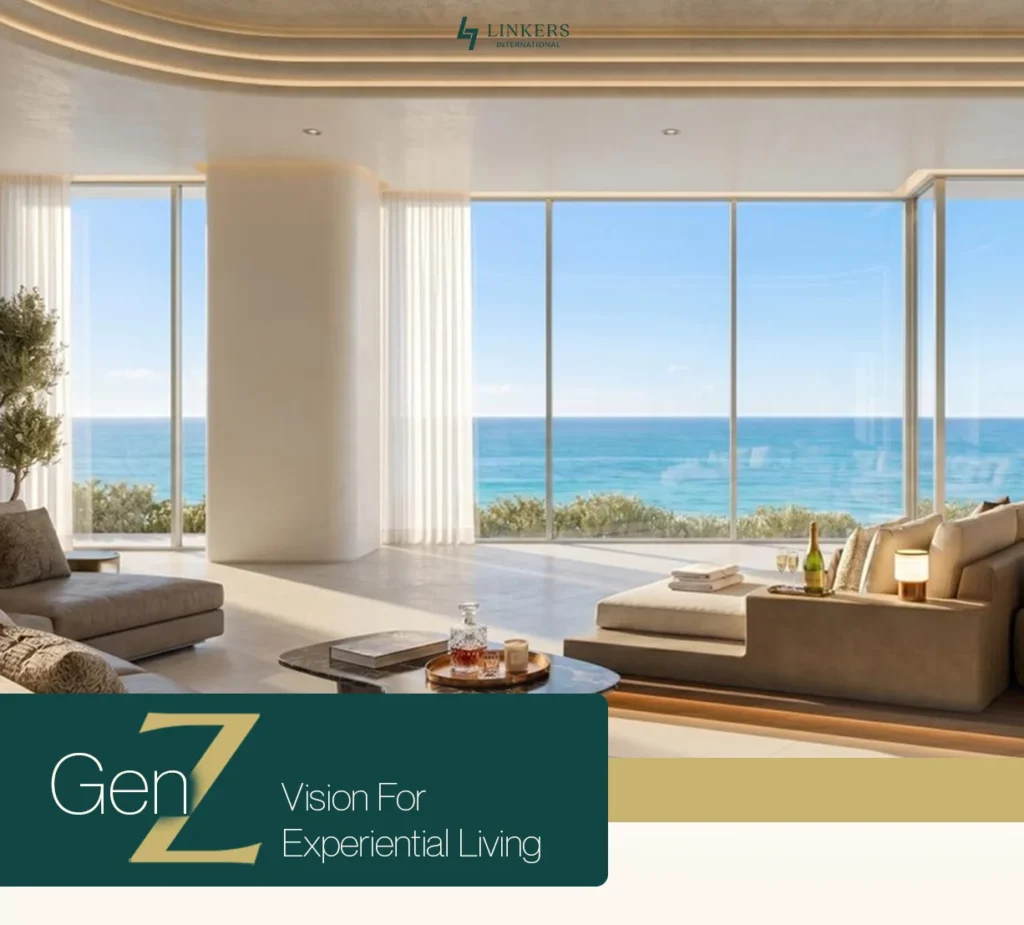
Perhaps the most significant shift in traditional housing demand is psychological. Previous generations often viewed housing primarily as a financial asset. Gen Z tends to view housing as part of a broader lifestyle ecosystem. Natural light, open views, community spaces, wellness amenities, cafés, recreational areas, and walkable surroundings are increasingly influencing purchasing decisions.
In many markets, buyers are willing to pay premiums for homes that enhance daily experiences rather than simply provide additional space. This trend aligns with the global rise of the “15-minute city” concept, where residents can access most daily needs within a short walk, cycle, or drive.
For Gen Z, a home is no longer just a place to live, it is a place to work, socialize, exercise, relax, and connect with the surrounding community. As a result, residential developments that foster convenience, wellbeing, and a strong sense of place are becoming increasingly attractive. Real estate projects that successfully combine residential living with retail, leisure, green spaces, and community engagement are likely to be better positioned to meet the expectations of this emerging generation of buyers and renters.
What Does This Mean for Pakistan’s 71 Million Gen-Z Population?
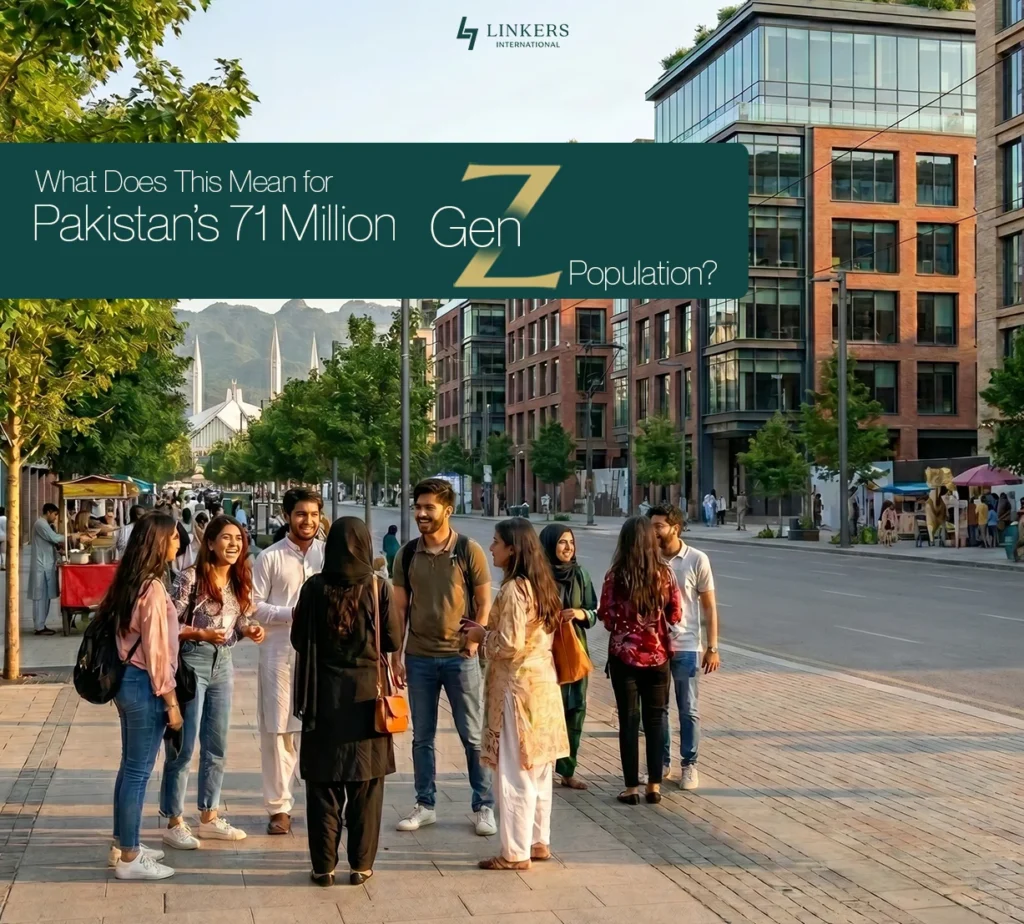
Pakistan’s demographic profile makes this conversation particularly important. The country is currently home to the largest youth population in its history. Approximately 63 million people, around 23% of the population, are between the ages of 15 and 29. Within this group, Generation Z represents an even larger segment, with an estimated 71 million individuals, accounting for nearly 29.5% of the country’s population. Gen Z is poised to become a major force shaping Pakistan’s economy, consumer trends, and housing market in the years ahead.
While affordability remains a major factor, emerging urban trends suggest that younger buyers are beginning to value many of the same characteristics seen globally.
Developments offering:
- Mixed-use environments
- Better connectivity
- Smart infrastructure
- Green spaces
- Walkability
- Community-focused planningThey
They are likely to become increasingly attractive to future generations. Projects located near major infrastructure corridors, commercial centers, educational institutions, and lifestyle amenities may benefit most from these changing preferences.
A Community Designed in Islamabad for the Way Today’s Generation Lives
As housing preferences continue to evolve, along with the fact that Gen Z is redefining traditional housing demand, successful developments will be those that anticipate changing lifestyles rather than simply respond to them. Today’s buyers increasingly seek more than just a place to live, they value connectivity, convenience, sustainability, technology, and access to experiences that enrich everyday life.
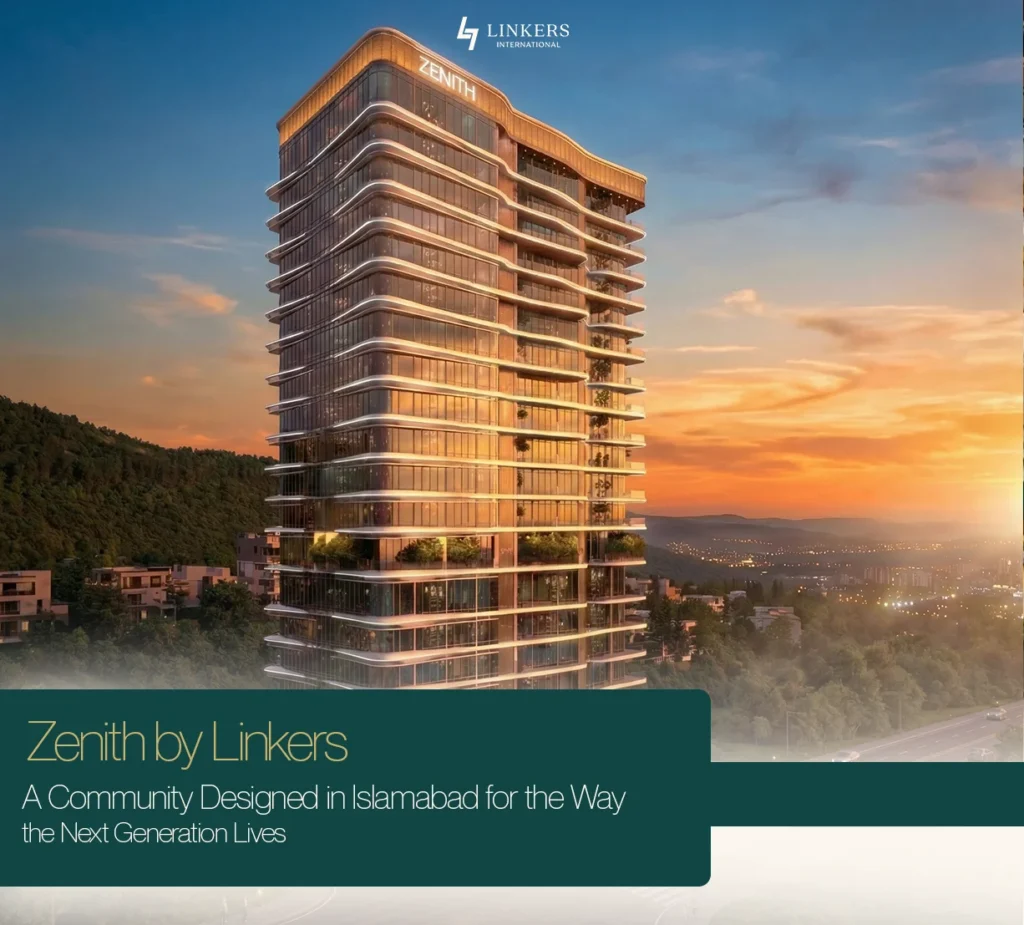
Zenith by Linkers reflects many of these emerging priorities. It’s a 22-storey residential high-rise located in the scenic DHA Phase 1 Islamabad. Zenith’s thoughtfully planned environment combines modern living with lifestyle-oriented amenities, creating a community where residents can enjoy contemporary infrastructure, green surroundings, and easy access to essential city landmarks. The project’s focus on convenience, quality of life, and long-term value aligns with the expectations of a new generation of homeowners and investors.
- Health & Fitness Club
- Rooftop Swimming Pool
- Double-glazed Glass Facade
- Concierge Services
- Business Lounge
Rather than following traditional real estate models, Zenith by Linkers embraces a more holistic approach to community living. By integrating residential comfort with accessibility, recreational opportunities, and future-ready planning, it offers an environment designed to support the lifestyles that are increasingly shaping the future of urban living.
The Future Is Not Less Housing Demand, It’s Different Housing Demand
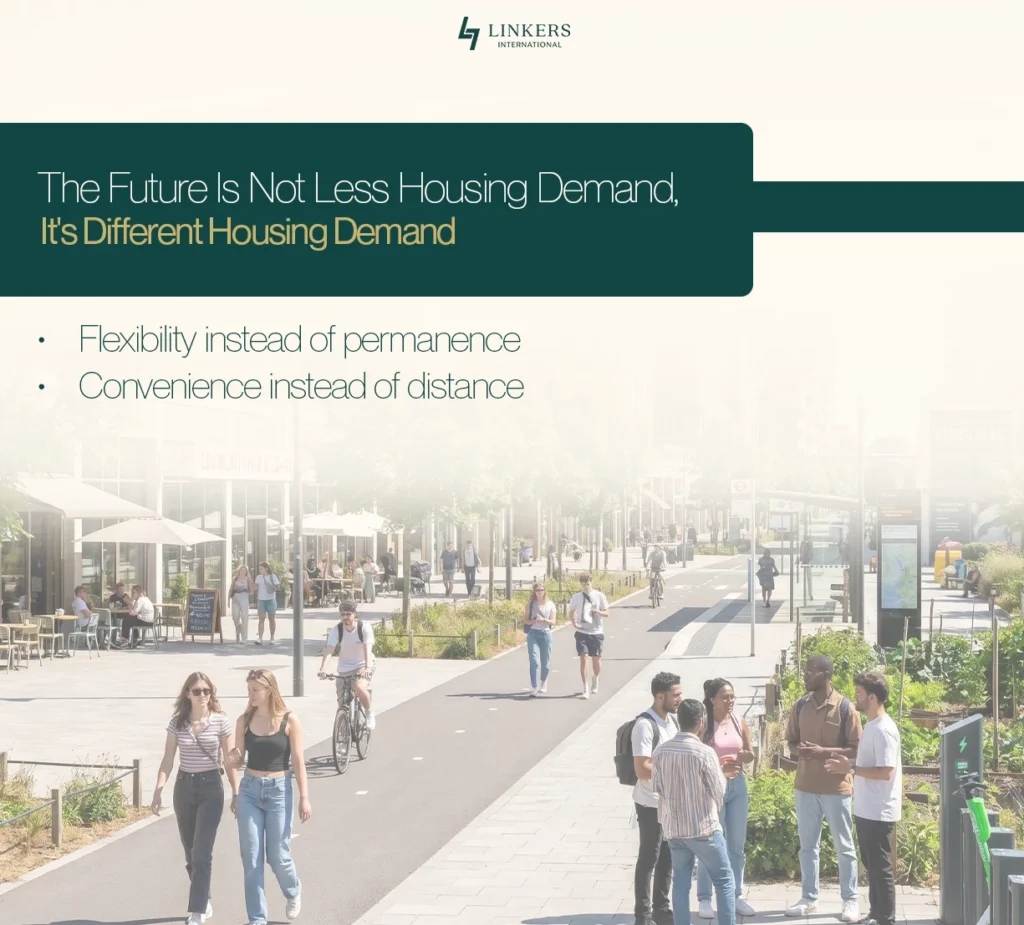
The narrative that Gen Z will “kill” traditional housing demand is misleading. The evidence suggests something far more significant: Gen Z is transforming housing demand. Homeownership remains a powerful aspiration, but younger buyers are redefining what makes a property desirable. They seek flexibility instead of permanence, convenience instead of distance, experiences instead of excess space, and sustainability instead of short-term efficiency.
For developers, investors, and urban planners, understanding this shift may be one of the most important real estate opportunities of the next decade. The future of housing will not be determined by whether Gen Z buys property. It will be determined by whether the industry builds the kinds of communities Gen Z wants to live in.