
The green public parks in Rawalpindi and Islamabad have been excellent spaces for recreation, yet the cities are evolving fast, and so are the demands on public open space. To maintain & improve the quality of life, health, environment and social cohesion, we must invest in more parks, not just more land, but better parks, fairly distributed, and well‑maintained.
Key Reasons for More Parks in Rawalpindi and Islamabad
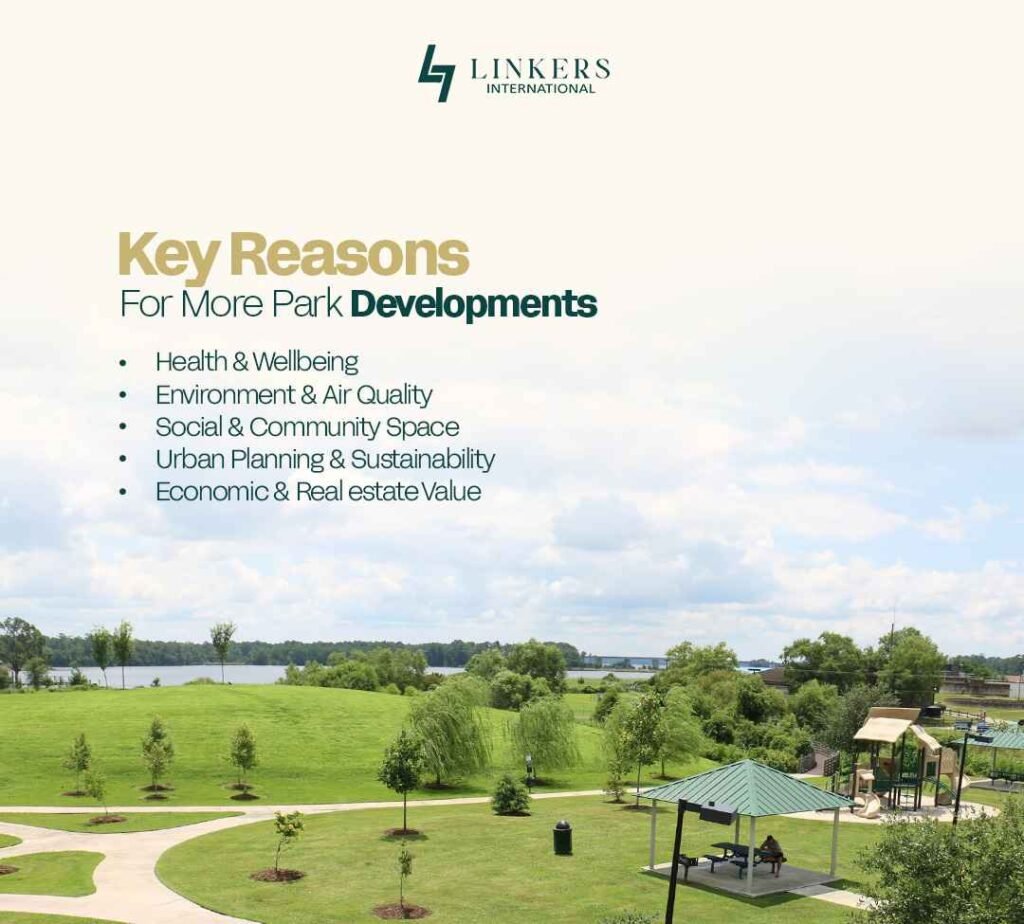
Urban green spaces like public parks do much more than “look nice.” For a rapidly growing metropolitan area such as Rawalpindi‑Islamabad, the need is especially strong. Here are some key reasons:
Health & Well‑being
Parks in Rawalpindi and Islamabad give residents places for walking, jogging, cycling, and other physical activities. These help reduce lifestyle diseases such as obesity, diabetes, and heart disease. They also provide psychological relief, a break from concrete, noise, and traffic. As noted in a study referenced by the Urban Unit, disorderly urban expansion with limited green or open public spaces has adverse effects on human health and well‑being.
Environment & Air Quality
As Rawalpindi and Islamabad continue to grow, so do the challenges of pollution, rising temperatures, and loss of natural ecosystems. Increased vehicular traffic, high-rise construction, and reduced tree cover contribute to poor air quality and the urban heat island effect, where built-up areas become significantly warmer than surrounding rural ones. Therefore, parks can become natural air filters, offer cooling effects and also help in managing stormwater runoff.
Social & Community Space
Beyond their environmental benefits, parks are critical for community life and social well-being, especially in densely populated urban areas where people often live in small apartments or crowded neighbourhoods with limited private outdoor space. Parks offer inclusive gathering spaces, safe recreation for children and the elderly, a mental health boost, and encourage community gathering.
Urban Planning & Sustainability
As the cities grow, the challenge isn’t only building new housing but also preserving and expanding public open space. A lack of adequate recreational open space can lead to unbalanced development, lower quality of life and reduce the attractiveness of an area for investment and habitation. The Urban Unit’s planning document includes “locations for selected sites for parks” in Rawalpindi city.
Economic & Real‑estate Value
Well-planned parks in Rawalpindi and Islamabad significantly boost the economic and real estate value of surrounding areas. Properties near green spaces often see higher demand and increased prices, especially among families seeking a healthier lifestyle. Parks also attract foot traffic, supporting local businesses like cafés, kiosks, and food courts. This enhances community activity and creates micro-economies within neighborhoods. Overall, parks make urban areas more livable, vibrant, and investment-friendly.
Existing Parks in Rawalpindi and Islamabad
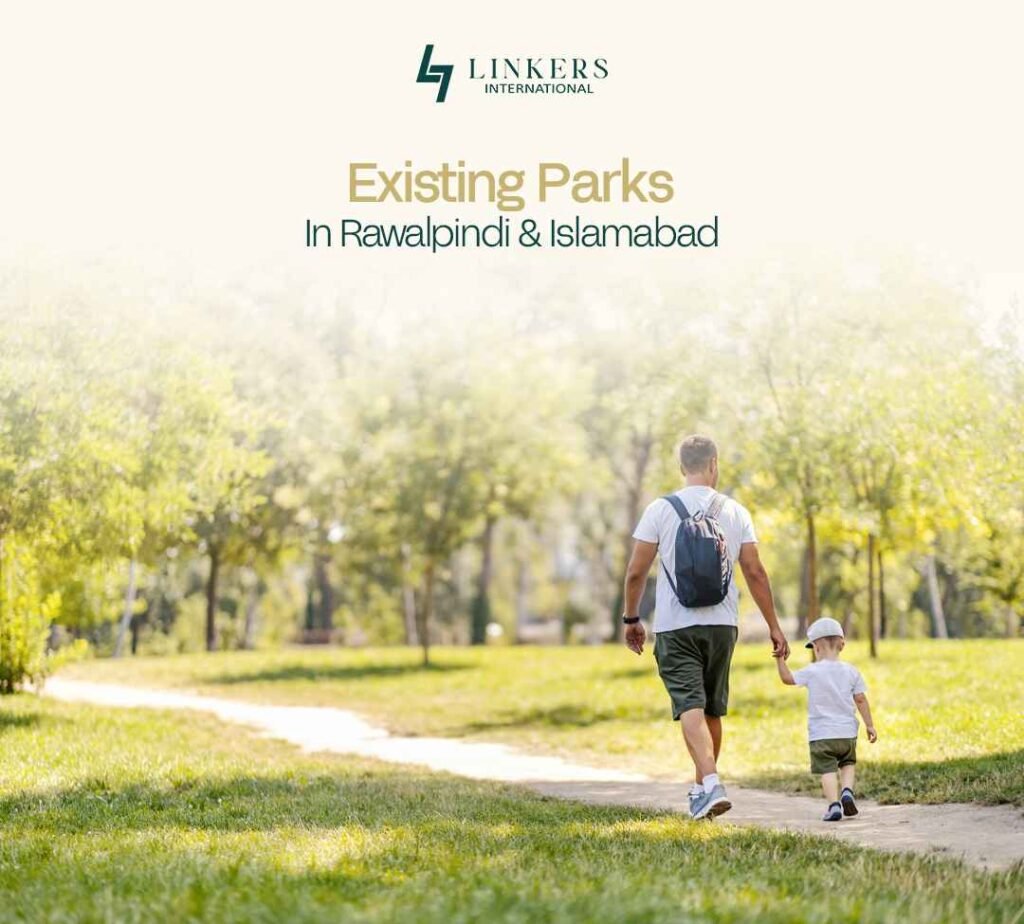
Given the benefits, it becomes clear: the twin cities should not simply rely on the parks they already have, but actively expand, upgrade, and ensure equitable access across all sectors. Here are some of the notable parks and recent government‑driven park projects in the area.
Margalla Hills National Park Islamabad
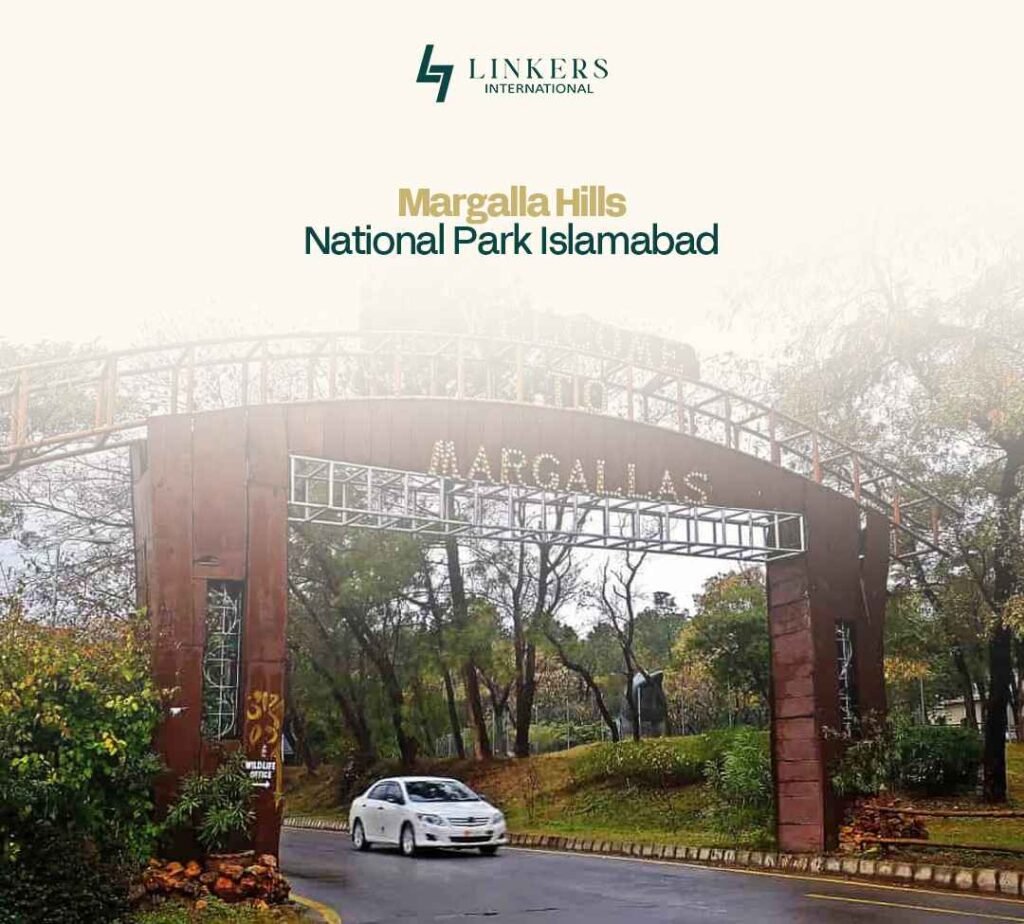
Margalla Hills National Park is a vast protected area located on the northern edge of Islamabad, forming the foothills of the Himalayan range. It offers hiking trails, wildlife, and scenic views, making it a major destination for nature lovers and outdoor enthusiasts. The park is home to diverse flora and fauna, including leopards, deer, and numerous bird species.
Fatima Jinnah Park (F‑9 Park, Islamabad)
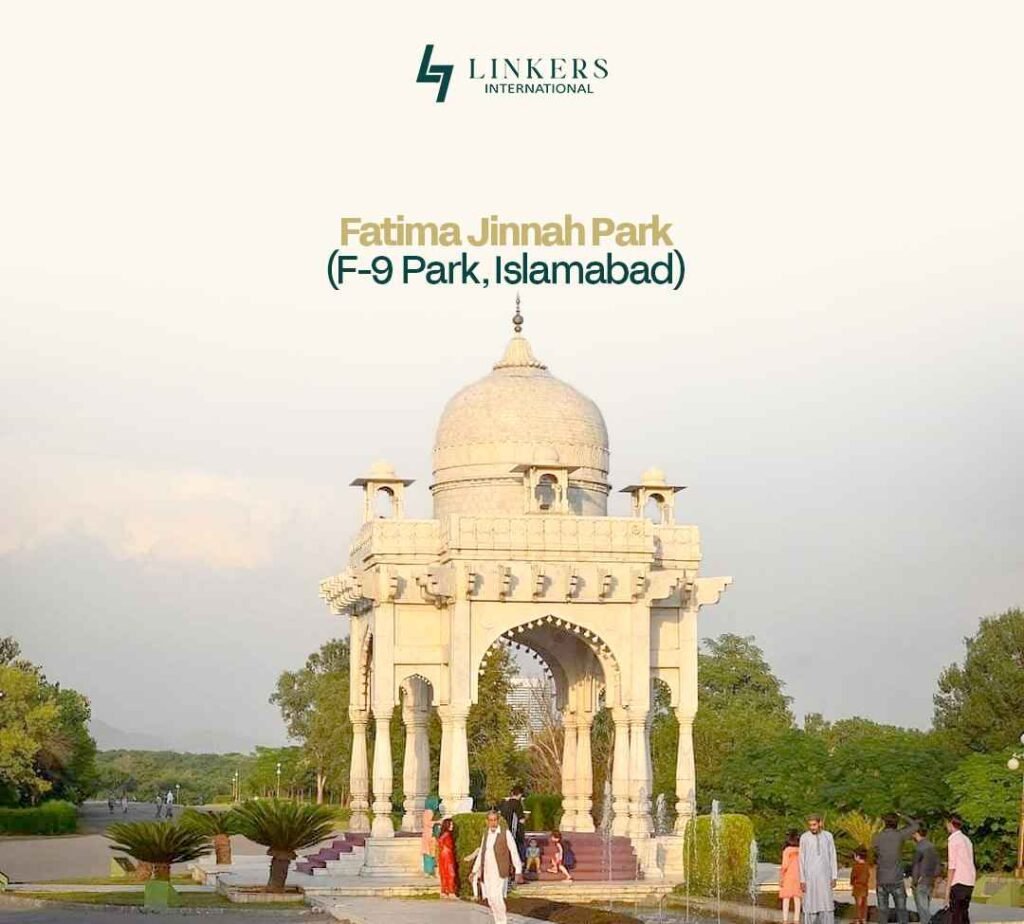
Spanning over 300 hectares, Fatima Jinnah Park is one of Islamabad’s largest urban parks, located in Sector F-9. It features vast green lawns, jogging tracks, sports facilities, and family-friendly recreational zones. The park stands as a model for sustainable and accessible urban green space in the capital.
Lake View Park (near Rawal Lake, Islamabad)
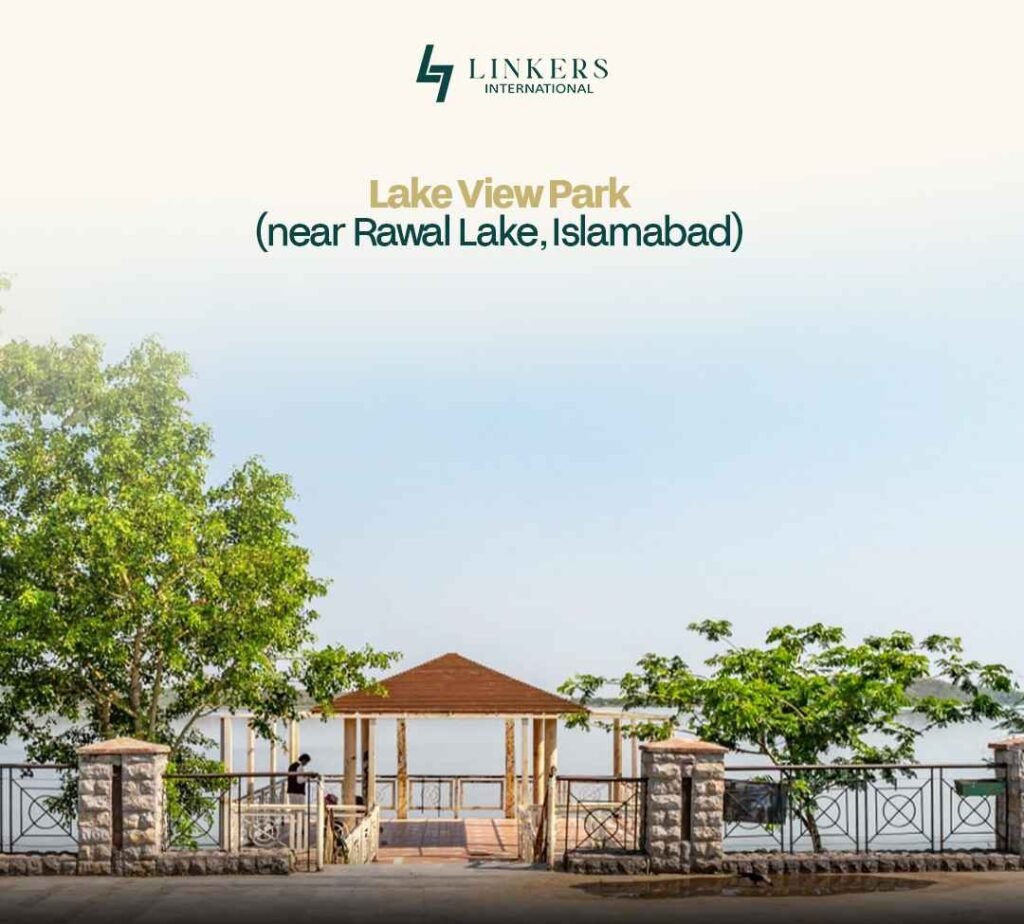
Lake View Park is a scenic recreational area situated along the banks of Rawal Lake. It offers boating, picnic spots, and one of South Asia’s largest bird aviaries, attracting families and tourists alike. The park blends natural beauty with fun-filled activities in a peaceful lakeside setting.
Jinnah Park (Rawalpindi)
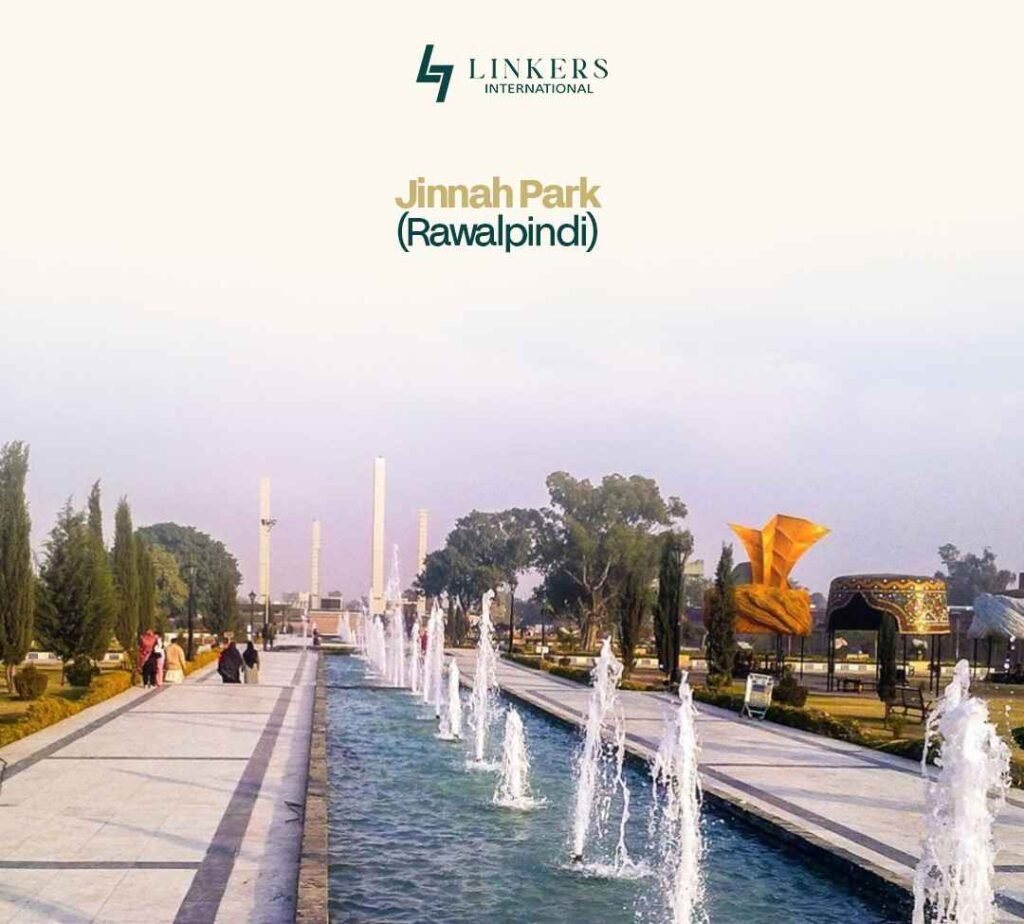
Located on Airport Road in Rawalpindi, this amusement and public park covers approximately. 17 hectares. While smaller than some other parks, it serves a dense residential area and offers rides and a family‑friendly environment.
Ayub Park & Jungle World (Rawalpindi)
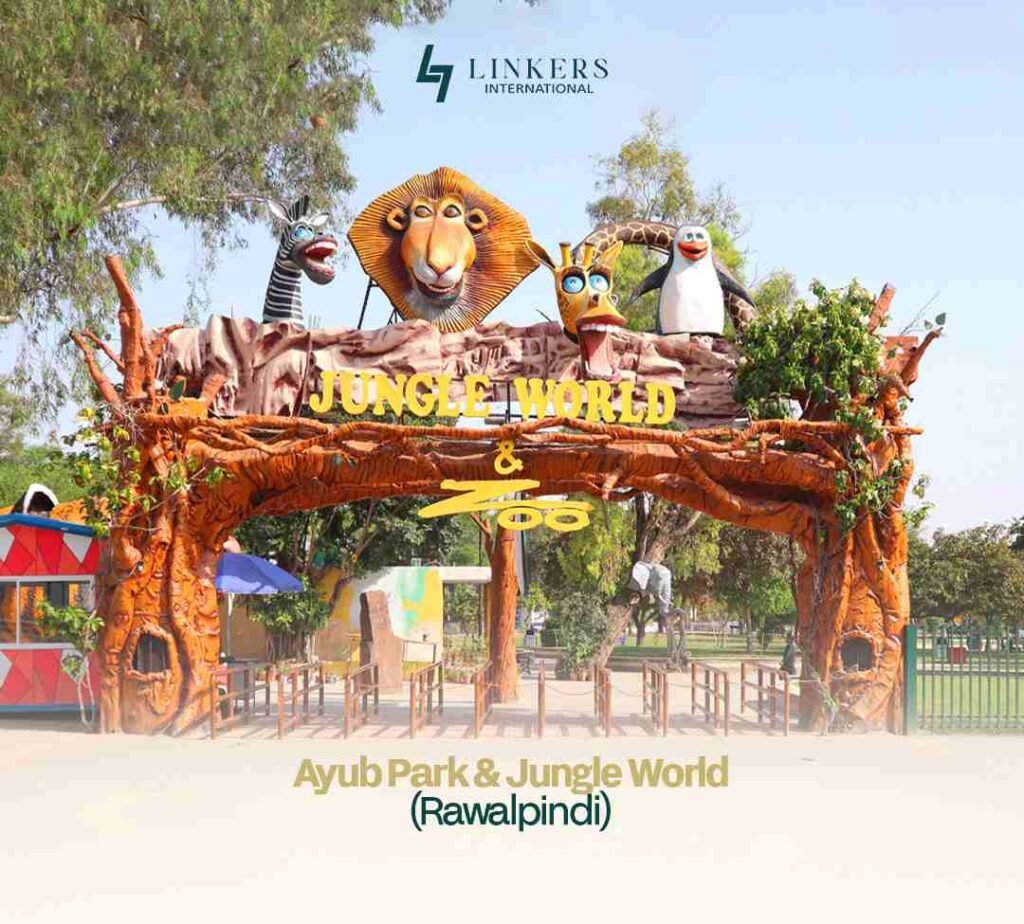
Ayub National Park in Rawalpindi is one of the city’s largest and oldest green spaces, offering vast lawns, walking tracks, and picnic spots. Inside the park, Jungle World adds extra attraction with a zoo, amusement rides, and family-friendly activities. Together, they provide a complete outdoor experience for visitors of all ages.
Allama Iqbal Park, Rawalpindi
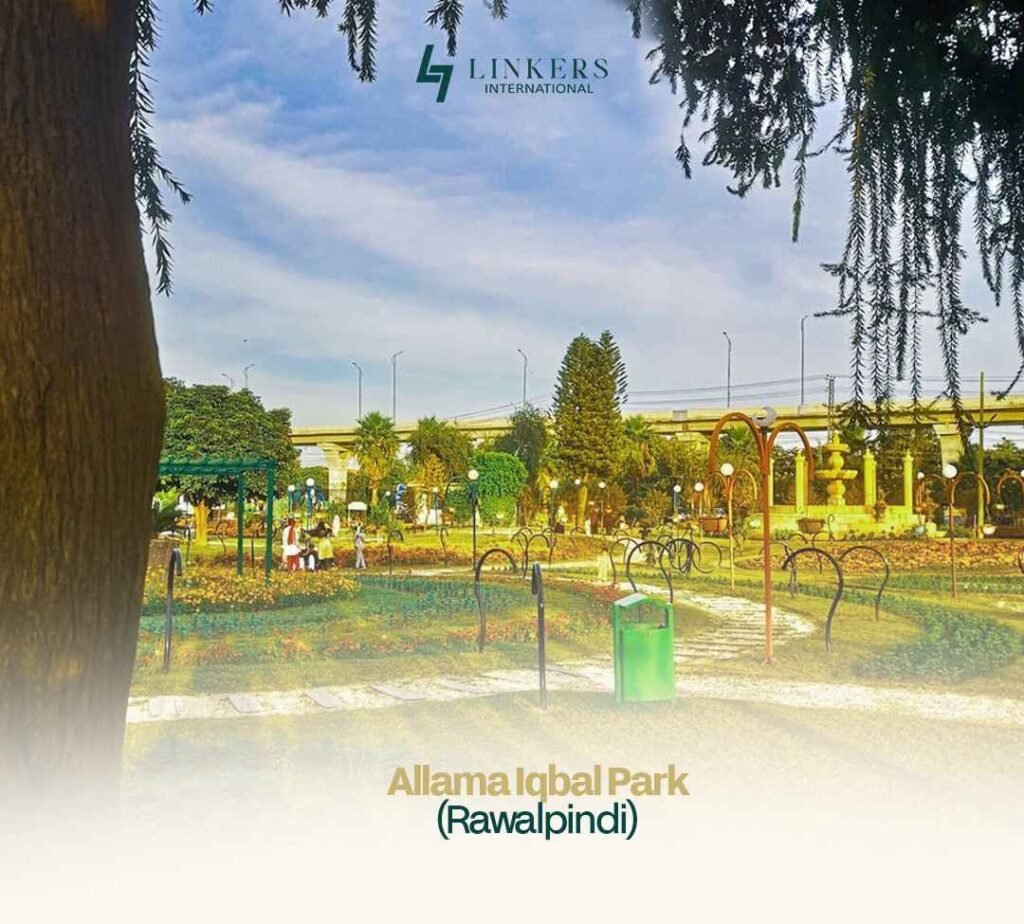
Allama Iqbal Park is a centrally located public park in Rawalpindi, offering open green spaces, walking tracks, and recreational areas for families and children. It’s named after Pakistan’s national poet and serves as a popular spot for daily visitors seeking relaxation or exercise. The park is currently being upgraded under government projects to improve its facilities and make it more accessible and attractive to the public.
Lohi Bher Wildlife Park, Islamabad
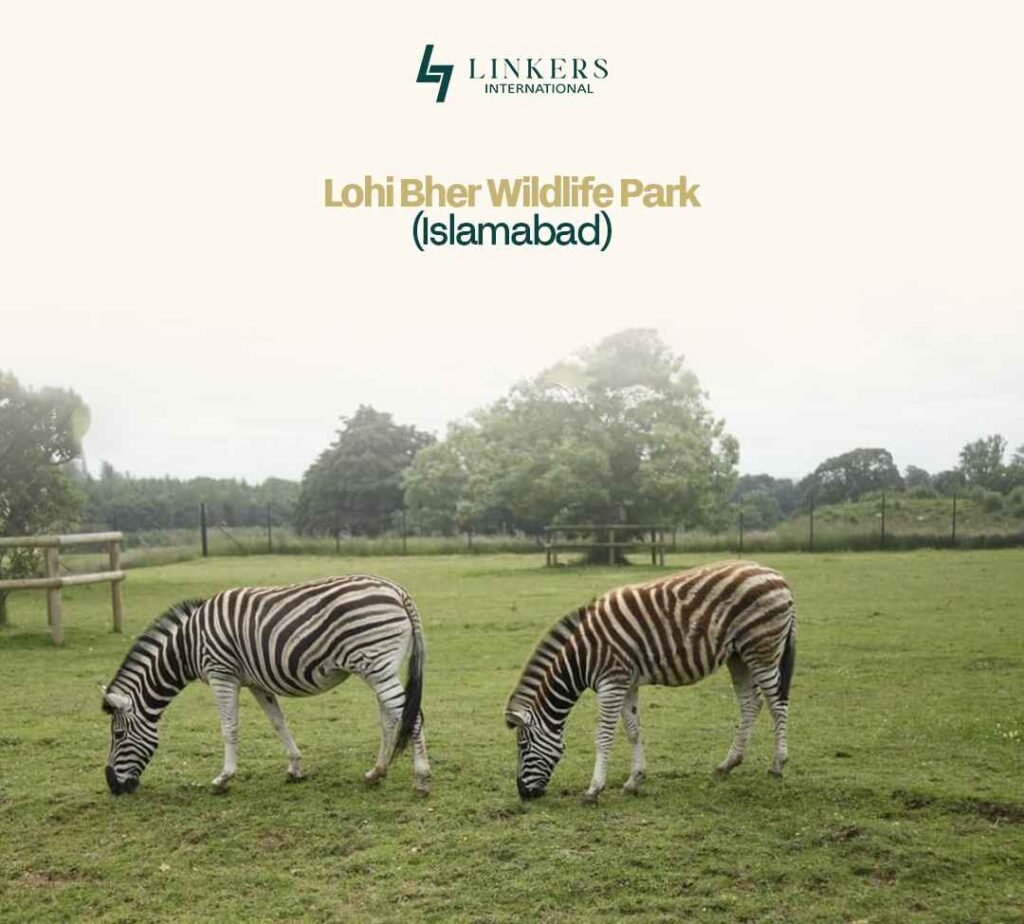
Lohi Bher Wildlife Park is a forested wildlife sanctuary located near the Islamabad Expressway, between Islamabad and Rawalpindi. Spanning hundreds of acres, it offers natural walking trails and houses various animals like deer, nilgai, and birds in semi-natural habitats. Though once neglected, efforts are underway to revive and upgrade it as a peaceful eco-tourism and educational spot for families and nature lovers.
Recent and Ongoing Government Projects
The Parks and Horticulture Authority (PHA) has launched an ambitious Rs 450 million project to rehabilitate and upgrade a major public park near the 502 Workshop on Adiala Road, Rawalpindi. The initiative aims to transform the space into a vibrant recreational hub featuring a lake, jogging and cycling tracks, mini-golf, tennis courts, and other modern amenities.
Building on this effort, the PHA has also proposed schemes worth Rs 2.495 billion for the fiscal year 2025-26 to revitalize parks across Rawalpindi. Among these is a flagship project for the uplift of Allama Iqbal Park, along with several neighborhood parks, reflecting the authority’s broader vision to enhance green and leisure spaces throughout the city.
Similar development momentum can be seen in the neighboring capital, where the Capital Development Authority (CDA) undertook the creation of about 50 new parks in 2021 for Rs 341 million, particularly targeting sectors that previously lacked public recreational facilities.
To further align with this regional push for accessible green spaces, The Urban Unit’s planning framework has identified new potential sites for parks in Rawalpindi, including areas such as Sadiqabad, Dhoke Mangtal, and Mughal Sarai, to address the growing urban demand for outdoor, community-friendly environments.
Recommendations for Moving Forward
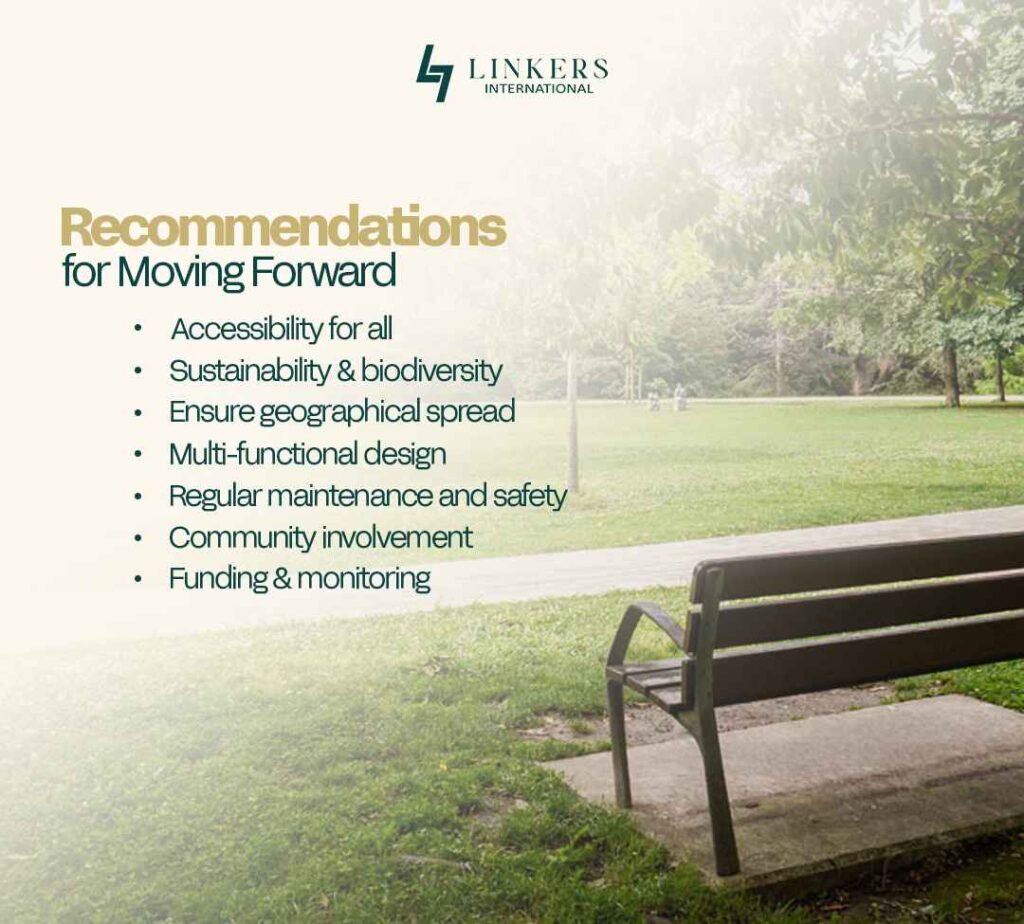
To maximize the benefits of green spaces in the Twin Cities, strategic planning and consistent upkeep are essential. Parks must be more than just land, they should be accessible, inclusive, and well-integrated into urban development. The following recommendations can help guide that process.
Ensure geographical spread: Identify underserved sectors/neighbourhoods and prioritise park provision there (small‑to‑medium size if large land is not available).
Multi‑functional design: Modern parks should have walking/jogging tracks, cycling lanes, children’s play areas, older persons’ seating, fitness zones, shaded areas, proper lighting and landscaping.
Regular maintenance and safety: A well‑maintained, safe park encourages usage. Boundary walls, lighting, washrooms, and security staff make a difference. The upgrades in Rawalpindi note these.
Community involvement: Engage local communities in park design, maintenance, and programming (events, green drives, planting).
Funding & monitoring: Adequate budget, clear timelines (such as the Rs 2.495 billion scheme), and transparent progress tracking help ensure projects don’t get delayed.
Sustainability & biodiversity: Parks should incorporate native trees, rainwater management, encourage bird life, and provide ecosystem services (shade, cooling, air purification).
Accessibility for all: Parks should cater to women, children, the elderly, and persons with disabilities. The concept of “ladies’ park” or family park is useful but needs broader implementation.
Parks in Rawalpindi and Islamabad Need to Happen!
Let’s aim for more green parks in Rawalpindi and Islamabad to set a standard of green, healthy, inclusive urban living in Pakistan. The ongoing government projects (PHA’s large budget for park upgrades, CDA’s roll‑out of new parks) are encouraging. Islamabad is a beautiful city with natural landscapes, unique names of places due to the cultural mix. But the work must continue, parks don’t just happen, they need planning, funding and care.