
In the past, construction success was measured in budgets met and timelines delivered. But as the climate crisis reshapes how the world builds and lives, a new metric is emerging, one that could define the next decade of real estate: carbon.
Whether through regulatory pressure, shifting buyer preferences, or rising operational costs, carbon is quickly becoming a cost, a measurable, reportable, financial liability. But here’s the upside: for builders in Pakistan and other parts of the world who adapt, it’s also becoming a competitive advantage.
Why Carbon Matters Now?
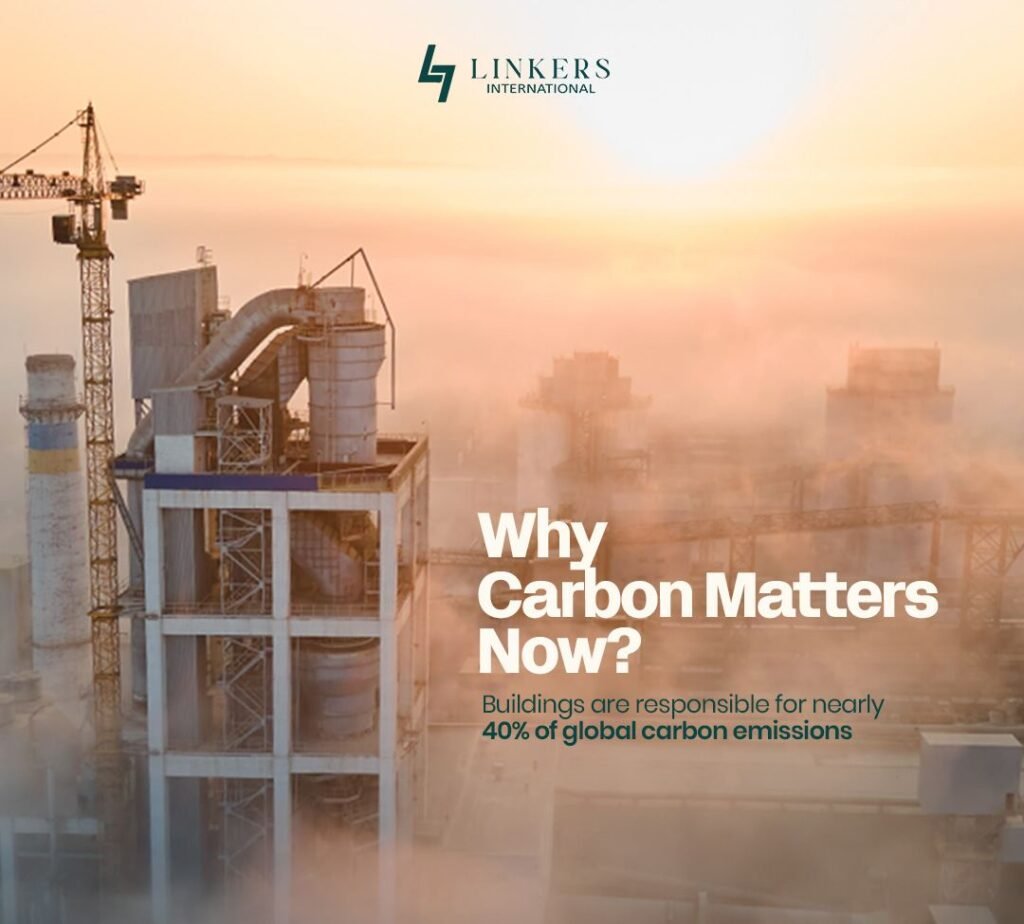
Buildings are responsible for nearly 40% of global carbon emissions, split between operational carbon: energy used for heating, cooling, lighting, etc. Embodied carbon: emissions from manufacturing, transporting, and constructing materials.
As the world accelerates toward net-zero targets, these emissions are no longer being ignored; they’re being priced, taxed, and regulated. Carbon taxes are already implemented in Canada, Sweden, New Zealand, China, and Singapore. And Pakistan, being the signatory of Climate Agreements such as the Paris Accord, is likely to face the demand for low-carbon practices. Here’s how carbon is turning into a real cost for the building industry.
Regulations Are Changing Fast
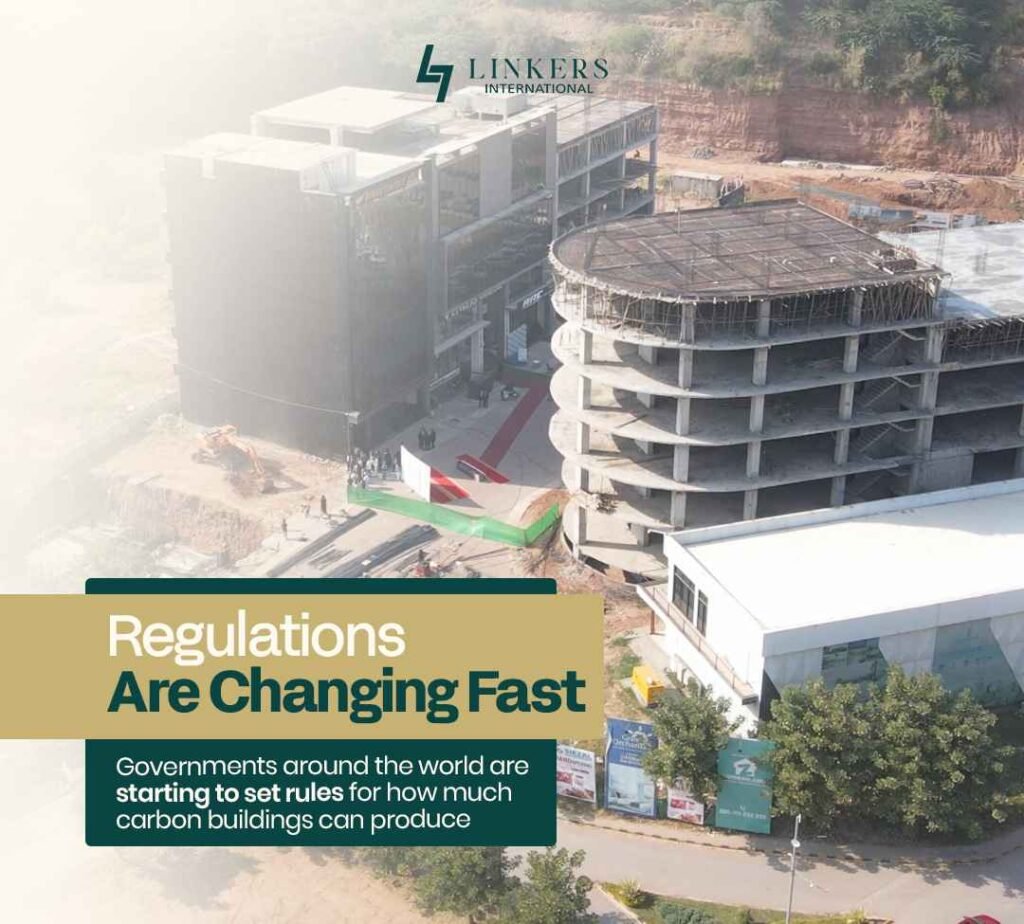
Governments around the world are starting to set rules for how much carbon buildings can produce, both while being built and once they’re in use.
- In the EU, new buildings will soon have to follow strict carbon limits during construction.
- In Canada and the UK, builders must meet sustainability standards to get permits.
- Many countries are also introducing carbon taxes or penalties for projects that produce too many emissions.
- In places like Pakistan, India, and the Gulf, these rules are still developing, but international investors and climate funding programs are already pushing for cleaner, low-carbon construction.
Global Financing Is Tied to Carbon Efficiency
Banks and institutional investors around the globe are increasingly linking funding to ESG criteria. This includes the carbon footprint of the project, the use of sustainable materials, and energy efficiency measures. Green financing, like sustainability-linked loans or green bonds, offers lower interest rates and preferred terms to developers who meet low-carbon benchmarks.
Buyers and Tenants Will Demand Greener Buildings
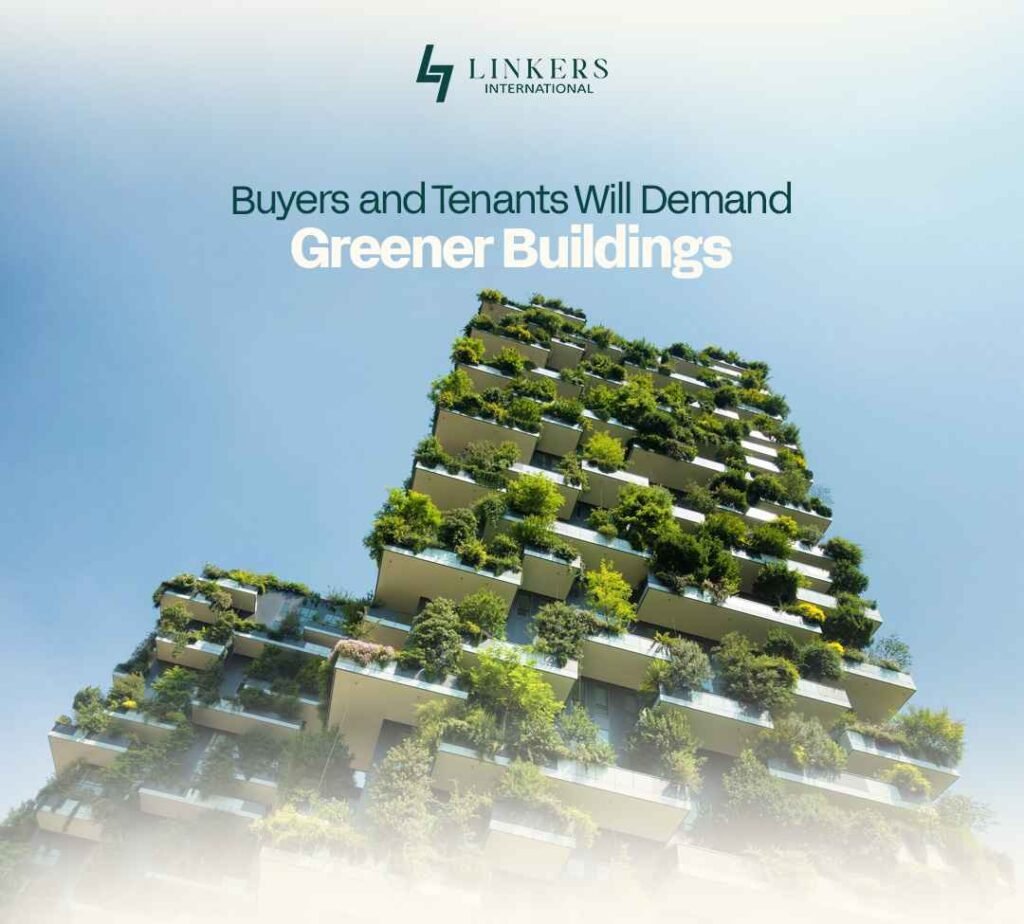
Modern consumers around the globe, especially younger, urban, and corporate tenants, prefer sustainable buildings because they offer lower utility bills, better indoor environments and alignment with personal or brand values. This shift is already impacting rental premiums and resale value across global markets.
Builders Who Adapt: What Are They Doing Differently?
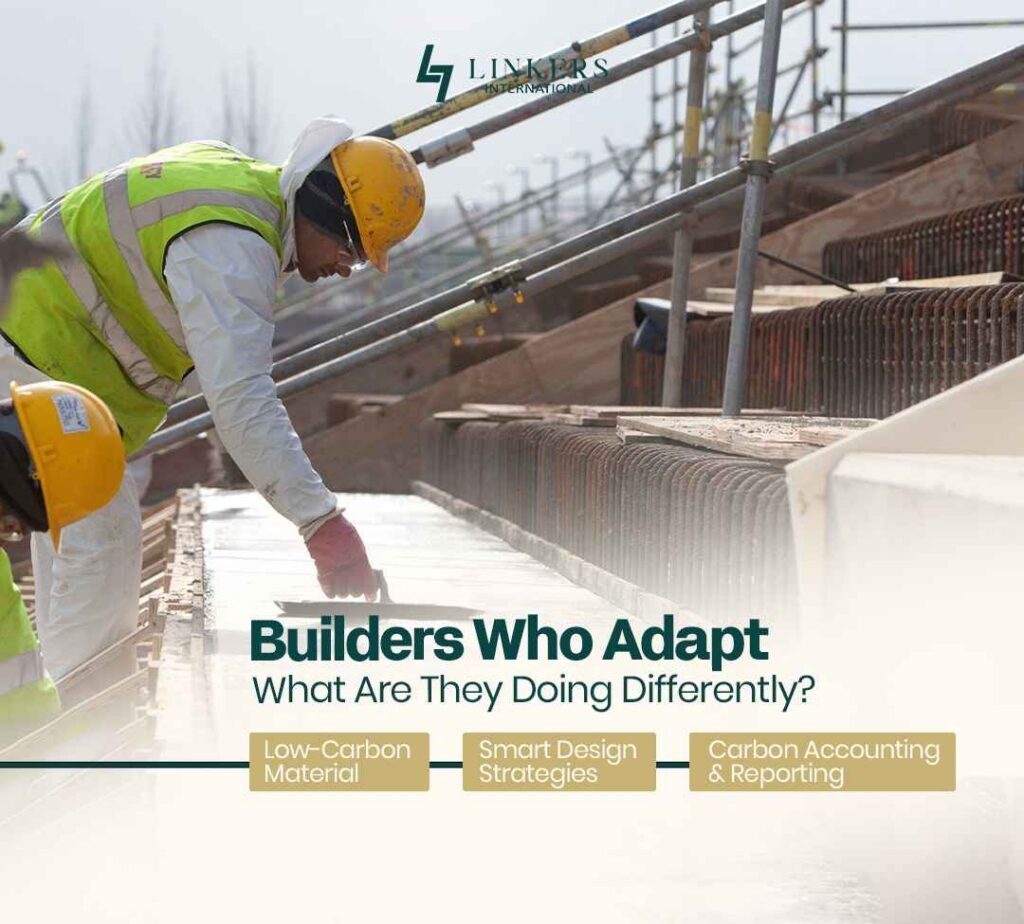
Forward-thinking developers in Europe aren’t treating carbon as just another compliance box; they’re using it to stand out in the market. These builders are actively shifting their approach to materials, design, and operations to reduce emissions, cut long-term costs, and appeal to environmentally conscious buyers and investors.
In doing so, they’re not just keeping up with regulations; they’re leading the next phase of real estate innovation, where sustainability is a core part of value creation.
Low-Carbon Material: Eco-conscious builders are using low-carbon concrete mixes, recycled steel and aluminum, sustainable timber, and locally sourced materials to reduce transport emissions.
Smart Design Strategies: Builders who want to build sustainable properties implement smart design strategies such as passive ventilation and natural lighting, solar orientation, shading systems, thermal insulation and green roofs. These reduce operational carbon and long-term energy costs.
Carbon Accounting & Reporting: Transparency is becoming a requirement in global tenders and funding proposals. Therefore, carbon-conscious builders conduct Life Cycle Assessments (LCA), measuring embodied carbon per m² and preparing carbon disclosures for stakeholders and authorities
The Competitive Edge of Carbon-Conscious Builders
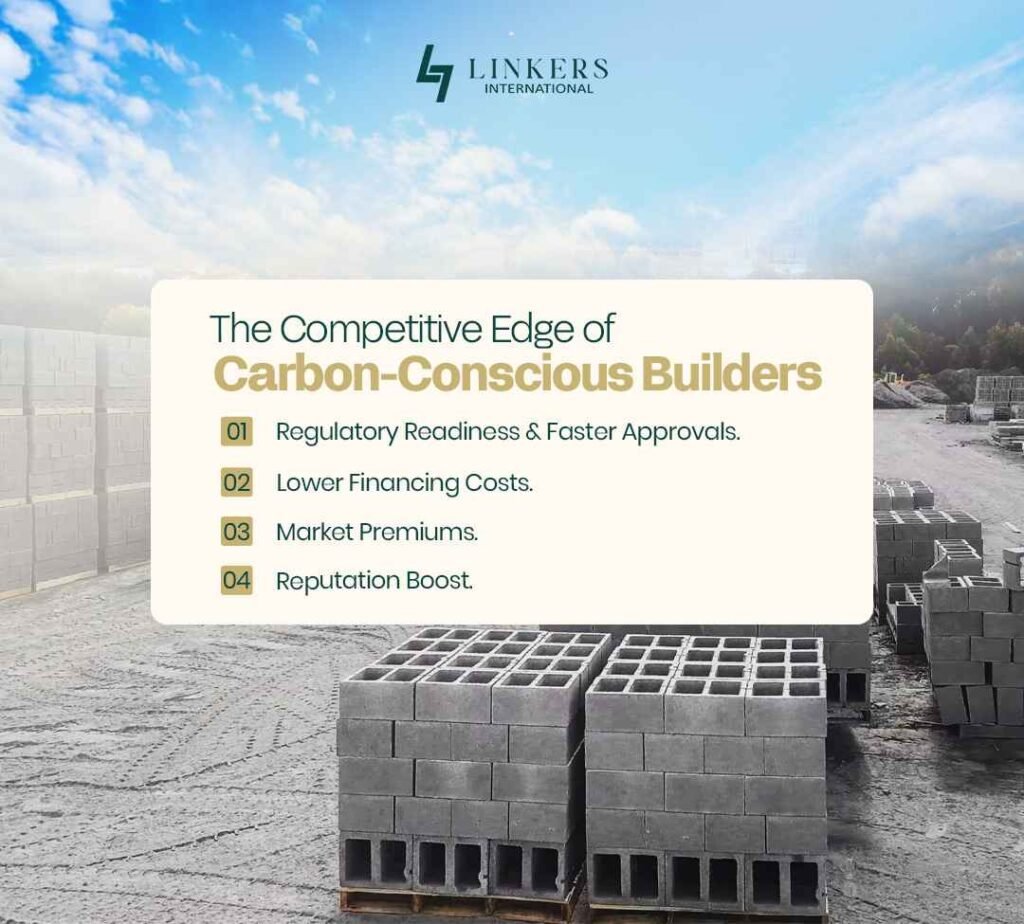
As the real estate industry evolves, builders around the world, who prioritize sustainability, are gaining more than just environmental credibility; they’re enjoying real business advantages. Carbon-conscious builders are better equipped to thrive in a changing regulatory and economic landscape.
Regulatory Readiness & Faster Approvals: Builders who focus on low-carbon practices are better prepared for upcoming government regulations, leading to faster approvals and fewer project delays.
Lower Financing Costs: Sustainable projects qualify for green financing, lower interest rates, and access to ESG-focused capital, making projects more financially attractive.
Market Premiums: In the coming future, green buildings will attract higher resale values and rental rates as buyers and tenants increasingly prefer energy-efficient, low-emission spaces in different parts of the world..
Reputation Boost: A carbon-conscious approach builds trust with investors, customers, and governments, positioning your brand as a forward-thinking industry leader.
A Shift in Mindset
Yes, building sustainably can cost more upfront, but not building sustainably will cost far more in the long run. In the next real estate cycle, builders won’t just be competing on price or design; they’ll be competing on carbon.
Those who adapt will lead markets, attract investment, and future-proof their portfolios. Those who delay will find themselves building outdated assets in a low-carbon world.