
Buying property in Pakistan involves more than choosing a location and agreeing on a price. Buyers also need to understand property documents, land ownership records, and the legal process of transferring ownership.
Terms like Khasra, Fard, Registry, and Intiqal are commonly used in real estate transactions, but their meanings can be confusing for first-time buyers. Understanding these terms helps you check property records, ask the right questions, and make more informed investment decisions.
Khasra: How Is Land Identified?
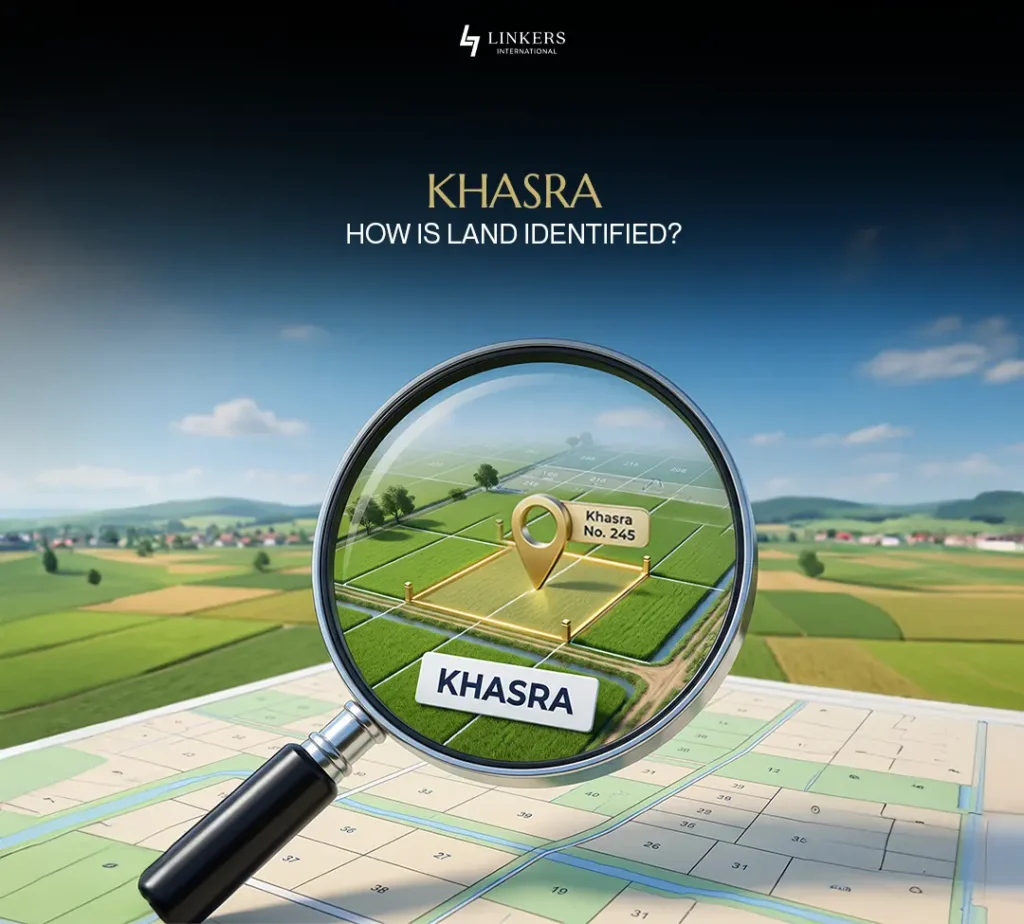
A Khasra number is a unique number assigned to a specific piece of land in the land revenue record. It helps identify a particular field or parcel of land, especially in rural and agricultural areas.
For example, if you are buying agricultural land, the Khasra number helps identify the exact parcel mentioned in the relevant records.
Why is Khasra number important?
- Helps identify a specific piece of land.
- Assists in checking land boundaries and location.
- Helps match the land with official revenue records.
- Can be checked alongside a Shajra or land map.
A Khasra number identifies land, but it does not prove ownership on its own. Buyers should also verify ownership records and the seller’s legal right to sell the property.
Fard: How Do You Check Land Ownership?

A Fard is an extract of the relevant land revenue record that shows recorded ownership details and other information about a property. Depending on the record, it may include the owner’s name, ownership shares, and land details.
In Punjab, buyers can check the availability of relevant land records through the Punjab Land Records Authority (PLRA) and its authorized service channels.
Why is Fard important?
- Helps check who is recorded as the landowner.
- Shows recorded ownership shares, where applicable.
- Helps verify property details before a purchase.
- Supports the property ownership verification process.
Always check that the Fard is current and matches the property being sold. It is an important ownership record, but it should be reviewed alongside other relevant documents and the property’s ownership history.
Recent update: The Punjab government has introduced the Green Property Certificate (GPC) to modernize land ownership verification and gradually replace the traditional Fard in areas covered by the new system. However, implementation varies by location, and Fard or certified land records may still be accepted in some areas. Buyers should confirm the current requirements with the relevant land record centre before proceeding.
Registry: How Is a Property Sale Recorded?

Registry commonly refers to the formal registration of a property transfer document, such as a sale deed, with the relevant registration authority. When a property is sold, the registered document records the transaction and its terms according to applicable legal requirements.
Why is Registry important?
- Records the formal property sale document.
- Identifies the buyer, seller, and property.
- Provides evidence of the transaction.
- Supports future ownership and transfer verification.
However, Registry alone does not resolve every possible ownership issue. Buyers should also check the seller’s title, previous transfer records, and any disputes or restrictions affecting the property.
Intiqal: How Is Ownership Transferred?

Intiqal, also known as mutation of property, is the process of recording a change in ownership or rights in the relevant land revenue record.
For example, after a land sale, the ownership change may need to be entered into the revenue record so that the new owner’s details are reflected.
Why is Intiqal important?
- Records a change in ownership or rights.
- Helps update the relevant land revenue record.
- Supports verification of ownership details.
- Helps identify whether the required mutation process has been completed.
Registry and Intiqal are different. Registry concerns the formal registration of a document, while Intiqal concerns recording the change in the relevant revenue record. The applicable requirements depend on the property and jurisdiction.
Khewat: How Are Landowners Recorded?
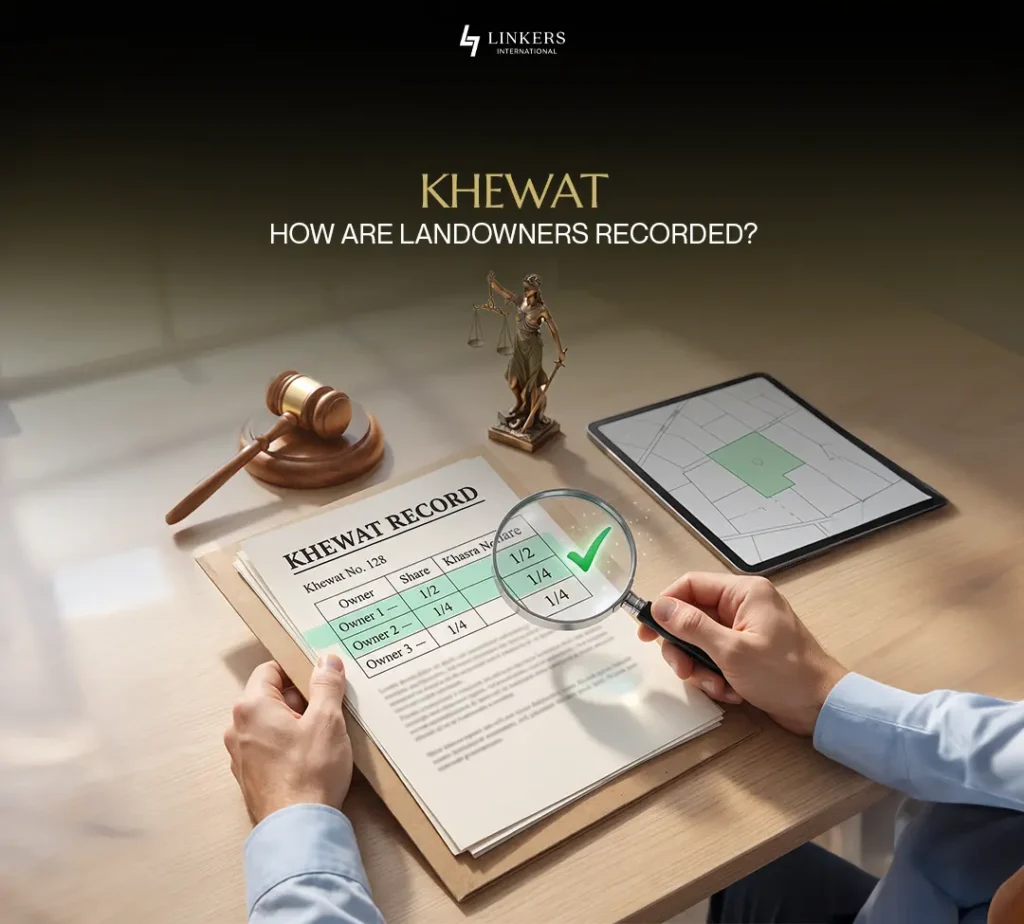
A Khewat number identifies an ownership account in the land revenue record. It may include one or more land parcels associated with the recorded owners.
Khewat is particularly relevant when checking ownership details in areas where land is recorded through the traditional revenue system.
Before buying land, review the ownership entries and shares associated with the Khewat number instead of relying on the number alone.
Khatauni: What Does It Tell You?
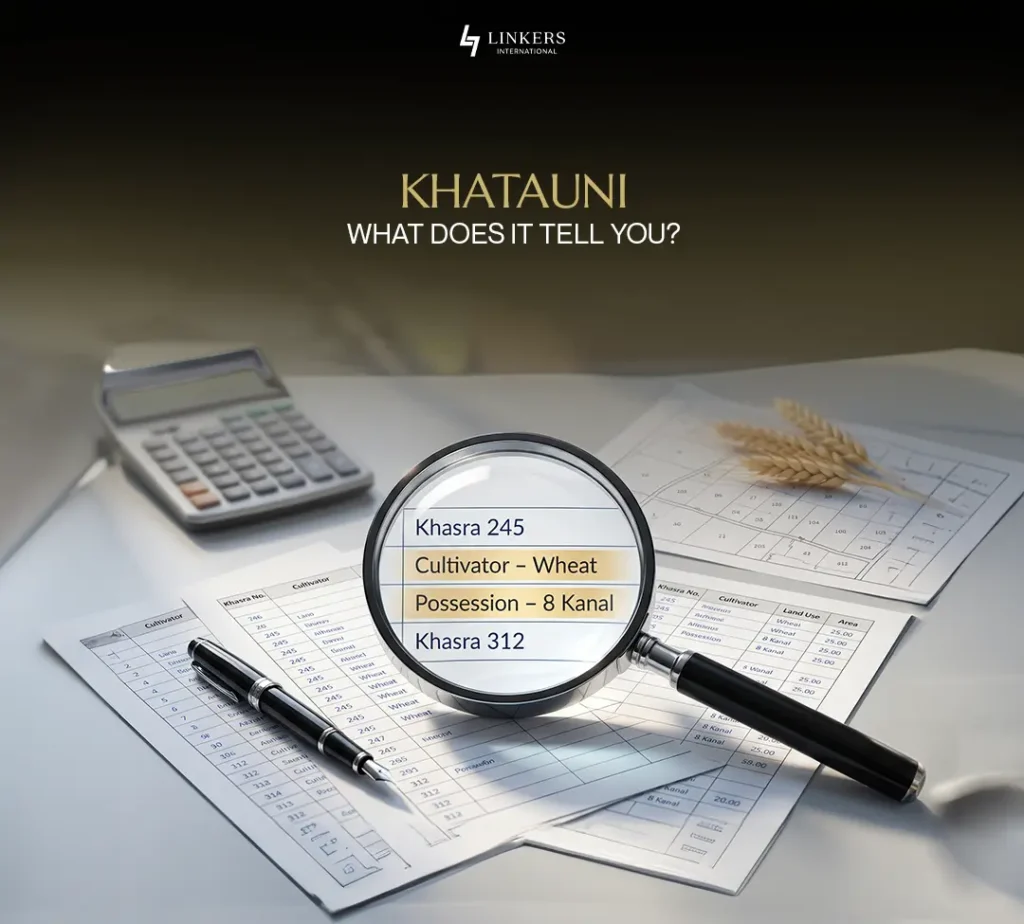
A Khatauni is a land revenue record commonly associated with cultivation or possession details. Depending on local record practices, it may identify cultivators or other persons associated with a particular land holding.
It can help buyers understand how land is recorded and used. However, Khatauni should not be treated as a replacement for verifying legal ownership and title.
Jamabandi: What Is in the Land Record?
Jamabandi is a periodic record of rights maintained within the land revenue system. Depending on the jurisdiction and record format, it may contain details about owners, land parcels, ownership shares, and other relevant information.
Buyers can use the relevant Jamabandi or equivalent record to cross-check ownership information against the Fard and other property documents.
The format and availability of these records may vary across provinces and between rural and urban properties.
Shajra: How Do You Locate a Piece of Land?
A Shajra, often called a cadastral or revenue map, shows the layout and location of land parcels within a revenue estate.
It helps buyers understand where a specific Khasra is located and how it relates to adjoining parcels or boundaries.
When buying land, check whether the property described in the sale documents matches the location shown on the relevant map. If the boundaries are unclear or disputed, a professional survey may also be necessary.
Sale Deed: What Does It Prove?
A sale deed is a legal document that records the sale and transfer of property from the seller to the buyer, subject to applicable legal requirements.
It generally identifies the parties, describes the property, states the agreed price, and records the relevant terms of the transaction.
Before signing a sale deed, check:
- The buyer’s and seller’s details.
- The property’s location, description, and area.
- The agreed sale price and payment terms.
- The seller’s ownership and authority to sell.
- Any relevant conditions, liabilities, or restrictions.
Where registration is legally required, buyers should ensure that the document is registered through the appropriate authority.
Bayana: What to Know Before Paying an Advance
Bayana is an advance payment or earnest money paid to show a buyer’s commitment to a proposed property transaction.
It is usually paid before the final transfer, according to the terms agreed between the buyer and seller. Before paying Bayana, make sure you:
- Verify the seller’s identity and authority to sell.
- Clearly identify the property in the written agreement.
- Confirm the total price and remaining payment schedule.
- Understand the refund and cancellation conditions.
- Obtain a signed receipt and retain proof of payment.
Paying Bayana does not automatically make you the legal owner of the property. The transaction must still meet the applicable legal and transfer requirements.
Allotment Letter: What Does It Confirm?
An allotment letter is a document issued by a housing society, developer, or relevant authority confirming that a particular plot or unit has been allotted to a named person under specified conditions.
It may contain the allottee’s details, plot or unit number, payment terms, and other conditions. Before buying an allotted property, verify:
- The authenticity of the allotment letter.
- The issuing authority and property’s status.
- The seller’s right to transfer the allotment.
- Outstanding installments, dues, or charges.
- Applicable development approvals and transfer requirements.
An allotment letter does not automatically carry the same legal effect as a registered sale deed. Its significance depends on the project, the rights granted, and applicable law.
Transfer Letter: How Does It Work?
A transfer letter is a document issued or recognized by the relevant authority to record or confirm the transfer of a property or allotment from one person to another.
It is commonly used in housing societies and private developments where ownership or allotment transfers are handled through the society’s procedures.
Before purchasing a property with a transfer letter, confirm that the transfer has been officially recorded, the seller is authorized to sell, and all required dues and fees have been addressed. Buyers should also check whether any additional registration or documentation is required.
NOC: How Do You Check Project Approval?
An NOC, or No Objection Certificate, is a document issued by a relevant authority confirming that it has no objection to a specific matter within the scope of the certificate.
In real estate, an NOC may relate to a housing scheme, development project, transfer, or another regulatory requirement.
Before investing in a property, check:
- Which authority issued the NOC.
- What the certificate actually approves.
- Whether it is valid and applicable to the specific project.
- Whether the project and relevant development plans have the required approvals.
An NOC for one purpose does not necessarily mean that every aspect of a project is approved. Buyers should verify the project’s status directly with the relevant authority.
Property Liabilities: What Should You Check?
Property liabilities and encumbrances are claims, financial obligations, or legal restrictions that may affect a property’s ownership, transfer, or use.
Examples may include a mortgage, lien, court-related restriction, outstanding dues, or certain third-party rights.
Before purchasing property, check whether:
- The property is subject to a mortgage or other claim.
- Any relevant court case or ownership dispute exists.
- Outstanding taxes, utility bills, or society dues remain unpaid.
- Any restrictions could affect the sale, transfer, or use of the property.
The required checks depend on the type of property and the applicable legal system. Where necessary, an independent property lawyer can help identify potential risks.
Title Verification: Is the Property Legally Clear?
Property title verification means checking the documents and records to assess whether the seller has the legal right to sell the property and whether any issues may affect the buyer’s ownership.
This is one of the most important steps in property due diligence, whether you are purchasing a residential plot, a house, a commercial shop, or an office.
Title verification may involve checking:
- Current ownership records and previous transfer documents.
- Fard, Registry, and Intiqal, where applicable.
- Allotment and transfer records for society properties.
- Relevant project approvals and approved plans.
- Outstanding dues, mortgages, disputes, and restrictions.
Do not rely on a single document or a verbal assurance. Verify the property’s ownership history and legal status through the appropriate authorities, and seek independent legal advice where necessary.
Understand the Documents Before You Invest
Buying property becomes easier when you understand the documents involved. Khasra helps identify land, Fard provides recorded ownership details, Registry records a formal property transaction, and Intiqal records changes in the relevant revenue record.
Each document serves a different purpose, and the requirements can vary by property type and jurisdiction. Before investing in property in Pakistan, verify ownership, review the relevant documents and approvals, understand the sale agreement, and seek independent legal advice when needed.
A well-informed property buyer checks the records before making the payment.
FAQs: Common Questions About Property Documents
What is the difference between Fard and Registry?
Fard shows recorded land ownership details, while Registry records the formal registration of a property sale document. Both help with property verification.
What is the difference between Registry and Intiqal?
Registry records a property sale document, while Intiqal updates the relevant revenue record to reflect a change in ownership.
Does Fard prove property ownership?
Fard shows recorded ownership details, but buyers should also verify the ownership history and other relevant legal documents.
Can I buy property without checking the Khasra number?
If the land has a Khasra number, check it against the relevant land records to confirm the property’s identity and boundaries.
Is an allotment letter enough to prove ownership?
Not always. Buyers should verify the allotment, the seller’s rights, and the property’s legal status with the relevant authority.
Which documents should I check before buying a plot in Pakistan?
Check the relevant ownership records, Registry or sale deed, Intiqal, Khasra details, allotment or transfer letter, project approvals, and outstanding dues.
Where can I verify land records in Punjab?
You can check relevant records through the Punjab Land Records Authority (PLRA), its authorized service channels, or the relevant revenue office.