
For much of the last century, urban housing trends favored nuclear families, independent living, and smaller household structures. In cities such as New York, London, Tokyo, and Singapore, rapid urbanization led to the rise of compact apartments and suburban homes designed primarily for parents and their children, while older generations increasingly lived separately. This shift was further reinforced by growing workforce mobility, higher education opportunities, and a cultural emphasis on personal independence.
Driven by economic realities, changing lifestyle preferences, aging populations, and evolving housing design, multigenerational living is no longer viewed as a traditional arrangement but as a practical and desirable solution for modern urban life.
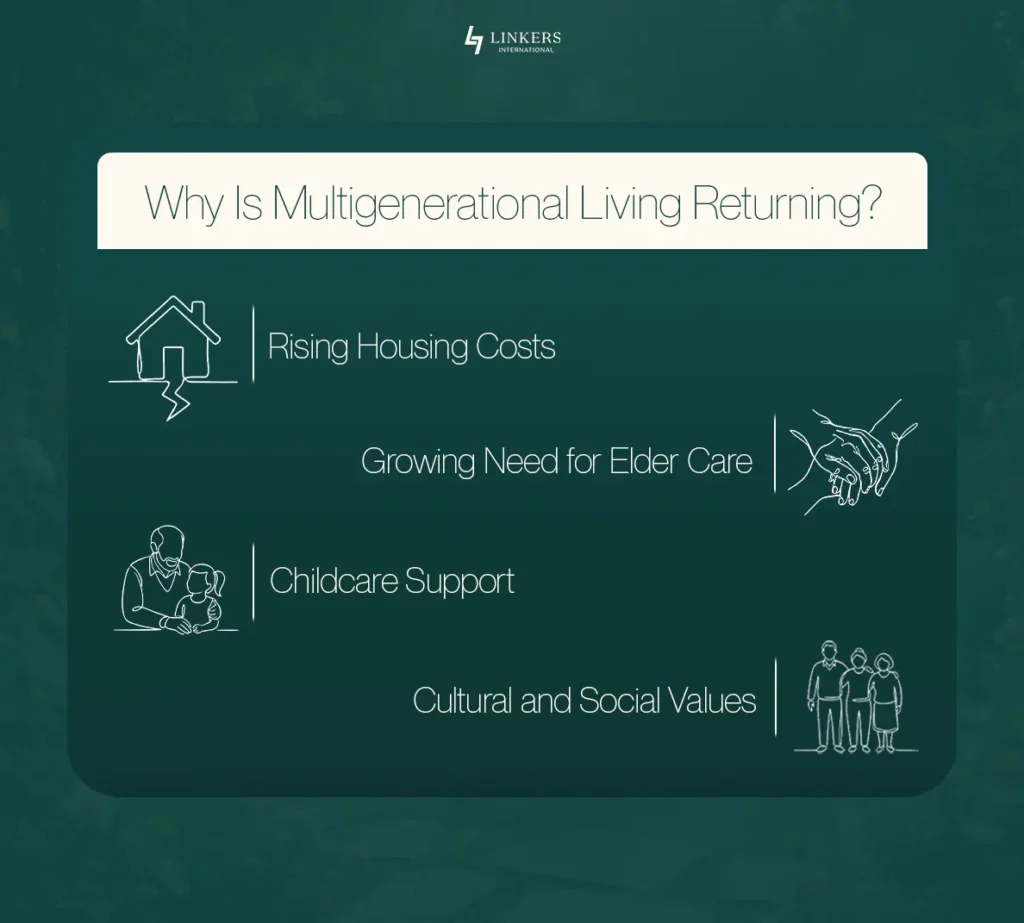
Why Is Multigenerational Living Returning?
Mixed-generation living is about housing arrangements that accommodate multiple generations of a family under one roof or within the same residential building. While common in many cultures historically, urbanization and changing social structures led to a decline in such living arrangements during the late twentieth century.
Today, however, families are rediscovering the social, financial, and emotional benefits of living closer together. The trend is particularly evident in densely populated urban areas where housing affordability, childcare costs, and eldercare needs continue to shape residential decisions.
Several factors are driving the return of multigenerational living, particularly in rapidly urbanizing countries. As highlighted by the Asian Development Bank (ADB), cities are struggling with housing shortages, rising living costs, and inadequate urban services. With urban housing supply failing to meet demand and affordable homes becoming increasingly scarce, many families are choosing to live together across generations to share expenses, maximize available space, and access better amenities.
At the same time, urban planners are advocating for more mixed-use, higher-density communities that encourage efficient land use and stronger social connections, conditions that naturally support multigenerational households. This shift reflects both economic necessity and a growing preference for shared family support systems in modern urban environments.
Rising Housing Costs
One of the strongest drivers behind this trend is the increasing cost of housing in major cities. Purchasing or renting separate homes for different family members can place significant financial pressure on households.
By sharing living spaces and expenses, families can reduce housing costs, utility bills, maintenance expenses, and other household expenditures while improving overall financial stability.
The Growing Need for Elder Care
Global populations are aging, and many families prefer caring for elderly parents at home rather than relying solely on assisted living facilities.
Living together allows older family members to receive daily support while maintaining stronger emotional connections with loved ones. At the same time, younger generations gain the opportunity to benefit from their experience, guidance, and companionship.
Childcare Support
For working parents, childcare has become one of the most significant household expenses. Grandparents often play a valuable role in supporting childcare responsibilities, helping families achieve a healthier work-life balance. This arrangement benefits children as well by fostering stronger family bonds and providing a stable support system.
Cultural and Social Values
In many regions, including South Asia, the Middle East, and parts of Asia-Pacific, family-centric living remains deeply rooted in cultural traditions. Rather than disappearing, these values are adapting to modern lifestyles. Today’s families increasingly seek housing that combines privacy and independence with opportunities for family interaction and support.
How Urban Housing Is Adapting
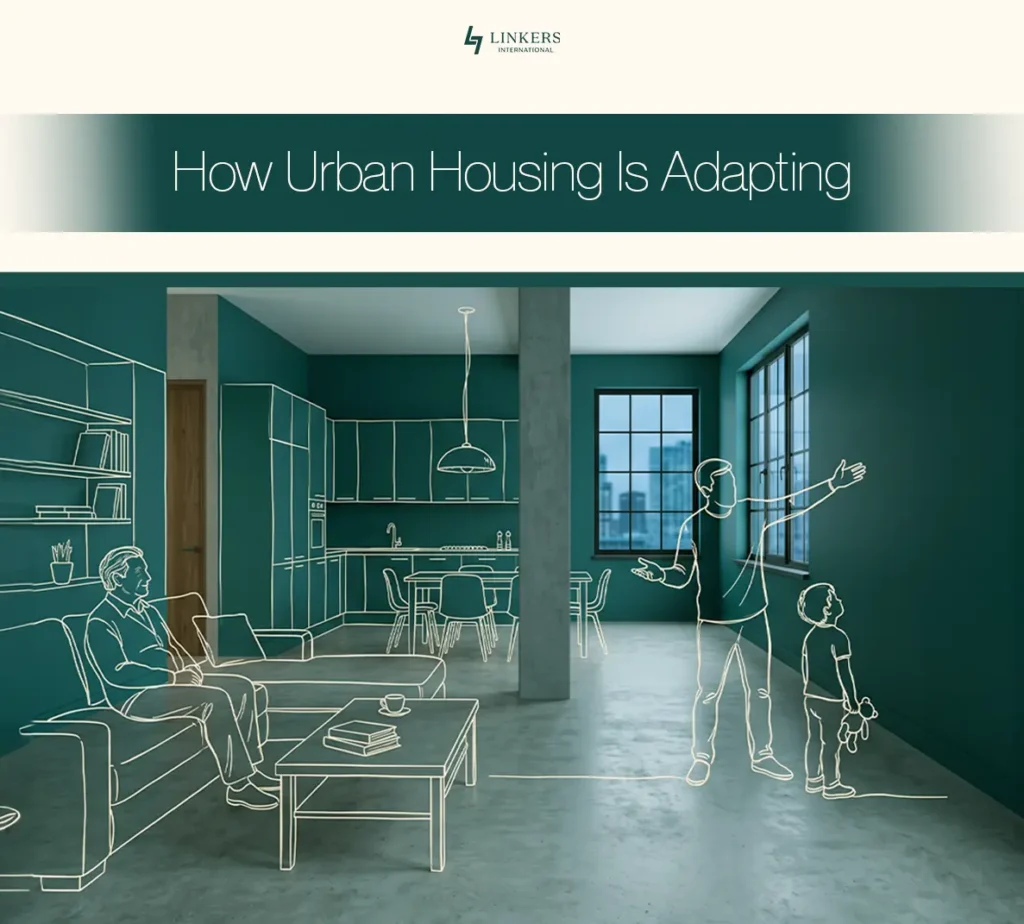
Rapid urban growth is reshaping the way cities plan and deliver housing. Take the example of Islamabad, the population has grown from just 0.117 million in 1961 to around 2.4 million in 2023, fueling unprecedented urban development and increasing demand for residential space. Over the same period, the city’s built-up area expanded dramatically, rising from 2,693 hectares in 1990 to 18,469 hectares in 2020.
As land becomes scarcer and property prices continue to rise, with the average residential price reaching approximately Rs31,000 per square foot, families are rethinking traditional housing arrangements. To meet these evolving needs, developers are increasingly focusing on homes that offer greater flexibility, smarter use of space, and amenities that support family living across generations. The result is a new approach to urban housing that prioritizes adaptability, shared living, and long-term value.
The resurgence of mixed-generation living is influencing how residential developments are planned and designed.
Larger and Flexible Floor Plans: Developers are introducing homes with additional bedrooms, dual master suites, private living areas, and flexible spaces that can serve different generations simultaneously. These layouts allow families to maintain privacy while remaining connected.
Community-Centric Developments: Modern residential projects increasingly focus on creating communities rather than simply providing housing units. Shared green spaces, walking trails, parks, wellness facilities, and community centers encourage interaction among residents of all ages while supporting a family-oriented lifestyle.
Accessibility and Universal Design: As multigenerational living grows, accessibility is becoming a key consideration in residential design. Features such as elevators, wider doorways, step-free entrances, and age-friendly infrastructure help accommodate both younger and older residents. Universal design principles ensure homes remain functional and comfortable throughout different life stages.
The Benefits Beyond Family Living
While multigenerational living is often associated with stronger family bonds and shared responsibilities, its advantages extend far beyond the household itself. This living arrangement can contribute to financial stability, more efficient use of housing, reduced environmental impact, and stronger community connections.
As cities face increasing pressure from population growth, housing shortages, and changing lifestyle needs, multigenerational homes are emerging as a practical and sustainable solution that benefits both families and urban communities alike. The impact of mixed-generation living extends beyond individual households.
Stronger Communities: When residential developments attract diverse age groups, neighborhoods tend to become more socially connected and resilient. Older residents contribute experience and stability, while younger generations bring energy and innovation. This diversity strengthens community engagement and fosters a greater sense of belonging.
Improved Mental Well-Being: Research consistently highlights the importance of social connections for mental health. Multigenerational households can reduce feelings of isolation among elderly family members while providing emotional support across generations. Children also benefit from stronger family relationships and broader social learning opportunities.
Greater Housing Efficiency: Urban planners increasingly recognize that multigenerational housing can contribute to more efficient land use and resource allocation. By accommodating larger family units within thoughtfully designed developments, cities can address housing demand more effectively.
Mixed-generational Living Meaning for Developers
The return of mixed-generation living presents a significant opportunity for developers and investors. Projects designed with flexible layouts, family-oriented amenities, accessibility features, and community spaces are becoming increasingly attractive to modern buyers. As demographic and economic trends continue to evolve, developments that accommodate multiple generations are likely to maintain strong market demand.
Forward-thinking developers are recognizing that successful urban housing is no longer just about square footage. It is about creating environments that support diverse lifestyles, changing family structures, and long-term well-being.
Embracing the Shift!
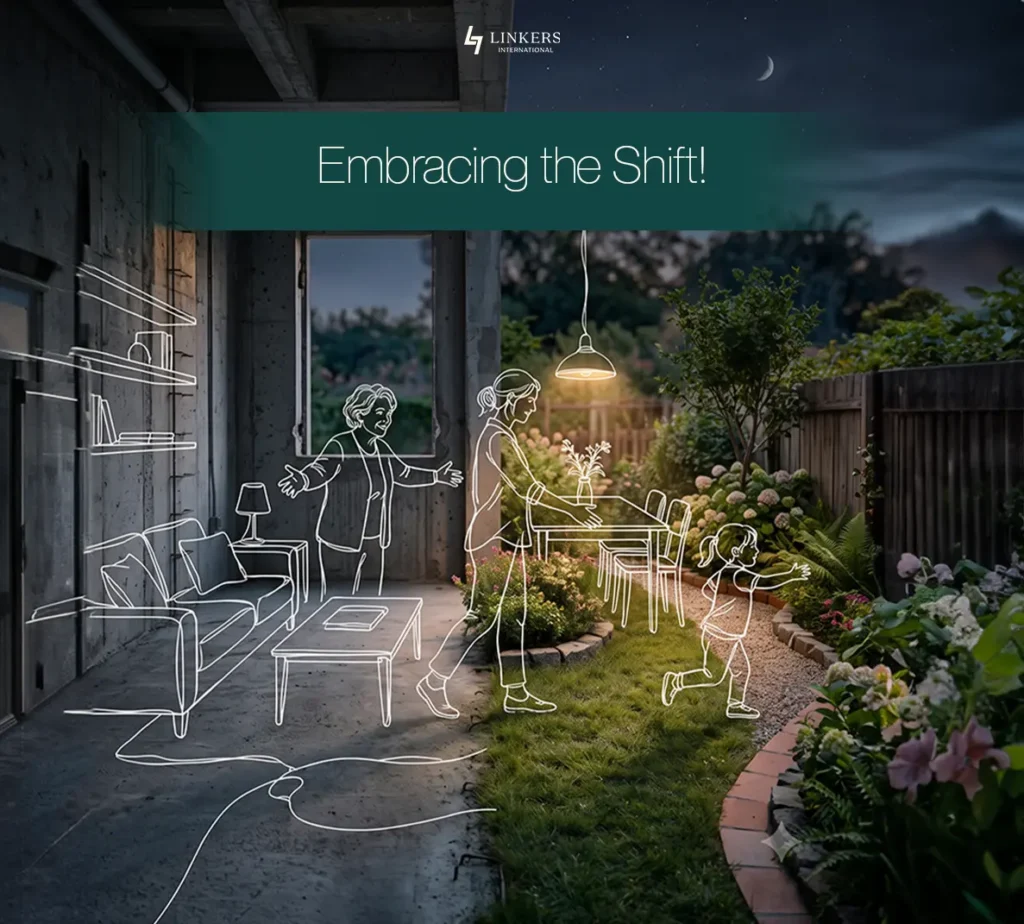
The resurgence of mixed-generation living reflects a broader transformation in how people view housing. Urban residents are seeking more than a place to live; they are looking for homes that provide support, connection, flexibility, and long-term value. As cities continue to grow and housing needs become more complex, mixed-generation living is emerging as an important model for sustainable urban development.
Developments that embrace this shift through thoughtful planning, inclusive design, and community-focused amenities will be better positioned to meet the needs of future generations and shape the next chapter of urban housing.