
For over 1,400 years, Islamic architecture has combined spirituality, sustainability, engineering, and artistic excellence into structures that continue to inspire architects worldwide. While these buildings were designed centuries ago, many of their principles align remarkably well with today’s priorities, including climate-responsive design, energy efficiency, human-centered spaces, and sustainable urban development.
Walk through the courtyards of Alhambra in Spain, stand beneath the magnificent domes of the Blue Mosque in Istanbul, or admire the intricate geometric patterns of the Sheikh Zayed Grand Mosque in Abu Dhabi, and one thing becomes immediately clear: Islamic architecture is more than beautiful, it is purposeful.
Modern developers and architects are increasingly looking toward traditional Islamic architecture for ideas that create buildings that are not only visually stunning but also environmentally responsible and culturally meaningful.
Key Features of Islamic Architecture
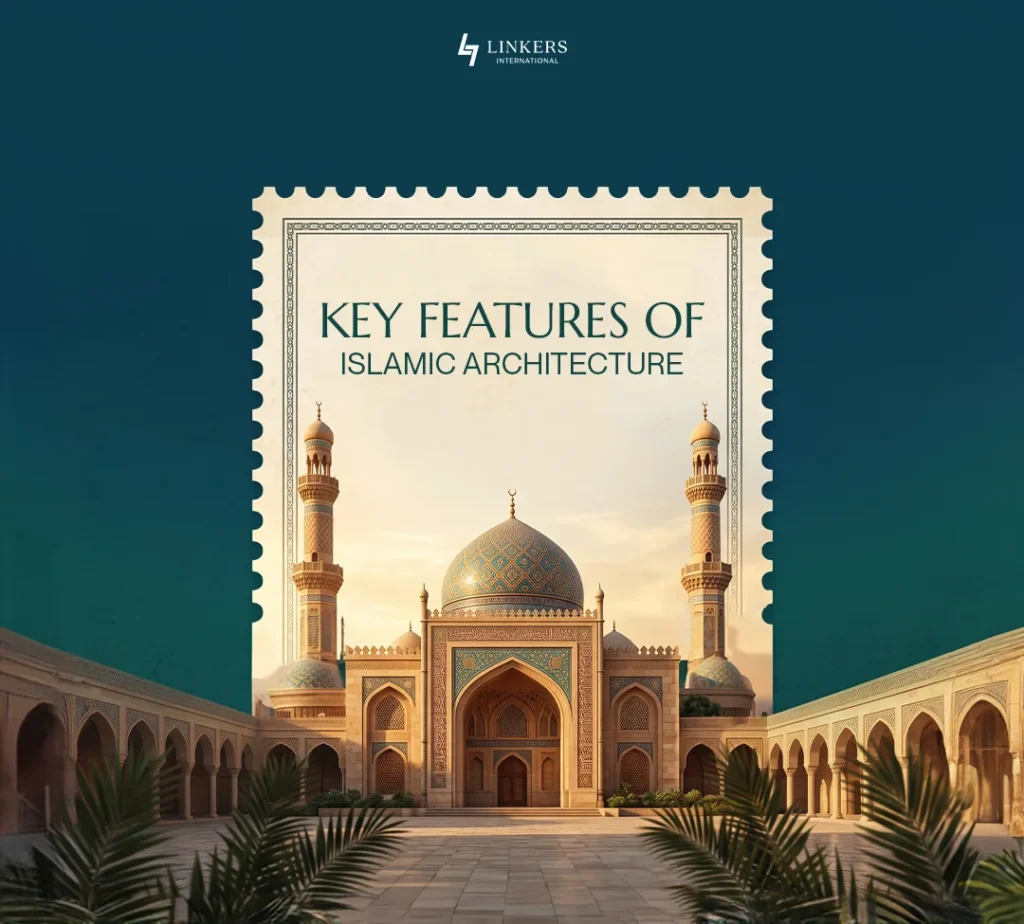
Islamic architecture refers to the architectural styles developed throughout the Islamic world from the 7th century onward. It includes mosques, palaces, forts, schools (madrasas), mausoleums, gardens, marketplaces, and residential buildings.
Rather than being defined by one particular style, Islamic architecture evolved across regions including the Middle East, North Africa, Persia, Central Asia, the Indian subcontinent, Andalusia, and Southeast Asia. Each region blended local materials and traditions with shared Islamic design principles.
The result is an architectural legacy that values harmony, balance, beauty, privacy, functionality, and respect for nature.
1. Geometric Patterns
One of the most recognizable characteristics of Islamic architecture is its use of intricate geometric designs. These patterns symbolize infinity, unity, and the perfection of creation while demonstrating extraordinary mathematical precision. Today, architects use similar geometric facades to improve aesthetics while reducing solar heat gain.
2. Arches
Islamic buildings feature horseshoe arches, pointed arches, and multifoil arches that create elegance while distributing structural loads efficiently.
Modern architects continue to adopt these forms in contemporary civic buildings, museums, airports, and luxury developments.
3. Domes
Large domes create impressive interior spaces while naturally improving airflow and acoustics.
In traditional mosques, domes also symbolize the vastness of the heavens.
Today, modern stadiums, museums, airports, and cultural centers continue to use dome-inspired engineering.
4. Courtyards
Central courtyards are among the smartest features of Islamic architecture.
They:
- Improve natural ventilation
- Increase daylight
- Create peaceful gathering spaces
- Lower indoor temperatures
- Enhance privacy
Modern sustainable housing increasingly incorporates courtyard planning for passive cooling.
5. Mashrabiya (Wooden Screens)
Traditional carved wooden screens provide:
- Privacy
- Shade
- Air circulation
- Reduced glare
- Cooler interiors
Modern architects reinterpret mashrabiya designs using aluminum, steel, glass, and parametric facades.
6. Water Features
Pools, fountains, and flowing water cool surrounding air while creating relaxing environments. Long before mechanical cooling systems, Islamic architects understood microclimates. Today, water-sensitive urban design follows many of the same principles.
7. Calligraphy
Instead of statues or portraits, Islamic architecture often incorporates Quranic verses and elegant Arabic calligraphy into walls, domes, and entrances. This transforms architecture into both art and spiritual expression.
8. Gardens
Islamic gardens symbolize paradise and provide shade, tranquility, and environmental balance. Their symmetrical layouts continue to influence landscape architecture around the world.
9. Symmetry and Balance
Every space is carefully proportioned. Buildings feel calm because of consistent repetition, visual rhythm, and harmonious layouts. These principles remain central to contemporary architectural design.
What Modern Developers Can Learn from Islamic Architecture

Traditional Islamic architecture is not just a reflection of history; it is a blueprint for designing smarter, more sustainable, and people-focused spaces. Long before concepts like green buildings, passive cooling, and biophilic design became popular, Islamic architects were creating structures that responded naturally to the environment while enhancing comfort and community.
By studying these timeless principles, modern developers can build projects that are energy-efficient, culturally meaningful, visually striking, and better suited to the needs of today’s rapidly growing cities.
Sustainable Design Before Sustainability Existed
Long before green building certifications, Islamic architecture naturally addressed climate challenges. These principles reduce operational costs while improving occupant comfort. Developers can learn to:
- Maximize natural ventilation
- Reduce energy consumption
- Design for local climates
- Utilize passive cooling
- Incorporate shaded outdoor spaces
Human-Centered Spaces
Traditional Islamic cities prioritized people rather than automobiles. Modern mixed-use developments increasingly embrace these concepts. Buildings encouraged:
- Community interaction
- Walkability
- Public gathering
- Social harmony
- Privacy
Climate-Responsive Architecture
There are strategies that remain highly relevant in hot climates. Instead of relying entirely on air conditioning, traditional Islamic buildings used:
- Thick walls
- Courtyards
- Wind towers
- Shaded arcades
- High ceilings
Beauty with Purpose
Islamic architecture demonstrates that decoration should enhance function rather than distract from it. Every pattern, arch, and courtyard serves practical, environmental, or symbolic purposes. Modern developers can create buildings that are both efficient and inspiring.
Famous Examples of Islamic Architecture
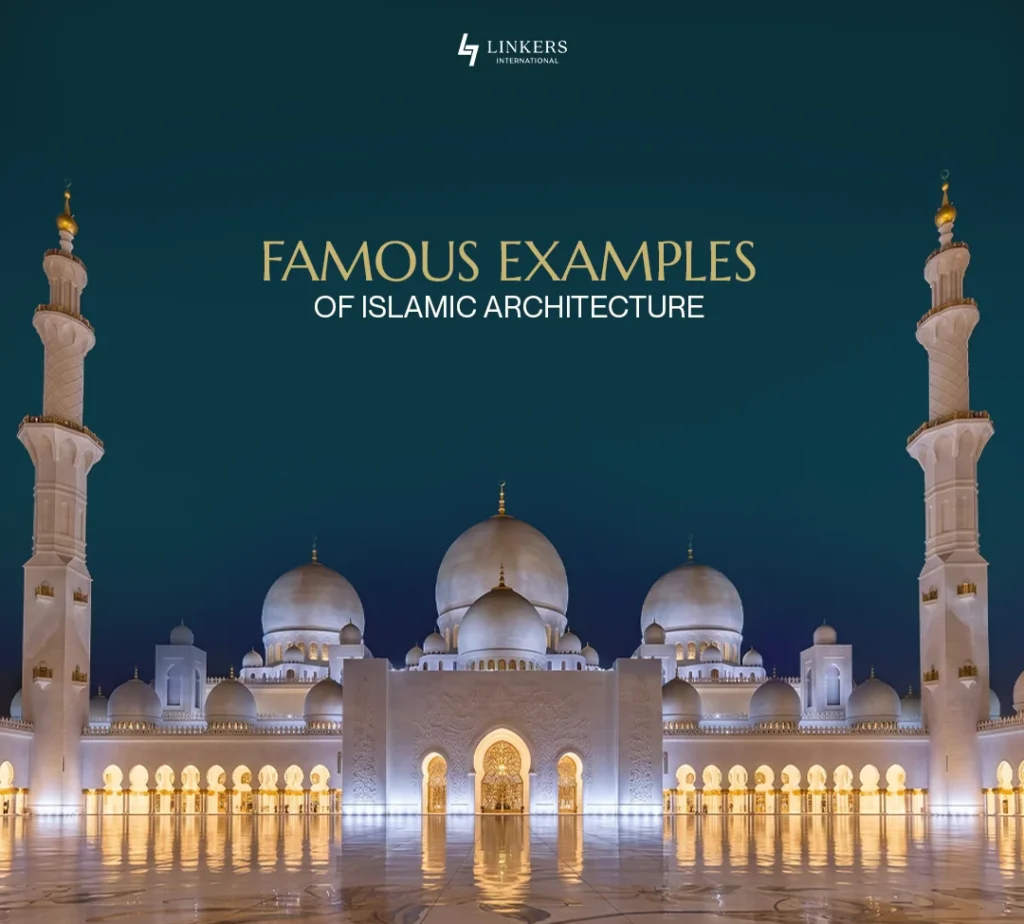
Across the world, Islamic architecture has produced some of history’s most breathtaking landmarks, admired for their remarkable craftsmanship, innovative engineering, and timeless beauty. From majestic mosques and royal palaces to mausoleums and cultural monuments, these iconic structures showcase the diversity of Islamic architectural styles while sharing common design principles such as geometric patterns, grand domes, elegant arches, serene courtyards, and intricate calligraphy.
Many of these masterpieces continue to inspire architects, historians, and travelers, demonstrating the enduring legacy of Islamic architecture across different cultures and centuries.
Alhambra (Spain)
Perhaps the world’s most famous example of Islamic architecture, the Alhambra showcases breathtaking geometric patterns, reflective pools, gardens, courtyards, and intricate stucco work.
Blue Mosque (Turkey)
Known for its cascading domes and six towering minarets, the Blue Mosque blends engineering excellence with spiritual beauty.
Sheikh Zayed Grand Mosque (United Arab Emirates)
A masterpiece of modern Islamic architecture, this mosque combines traditional craftsmanship with contemporary engineering.
Its white marble, floral mosaics, reflective pools, and expansive courtyards demonstrate how classical Islamic design can thrive in the modern era.
Taj Mahal (India)
Although primarily a mausoleum, the Taj Mahal incorporates Persian and Islamic architectural principles through perfect symmetry, domes, iwans, gardens, and intricate marble inlay.
Great Mosque of Córdoba (Spain)
This architectural wonder is renowned for its iconic red-and-white horseshoe arches and innovative structural design, illustrating the rich legacy of Islamic Spain.
Sultan Ahmed Mosque (Turkey)
One of Istanbul’s defining landmarks, it combines massive domes, elegant minarets, and remarkable interior tile work that continues to inspire architects globally.
Modern Architecture Inspired by Islamic Design
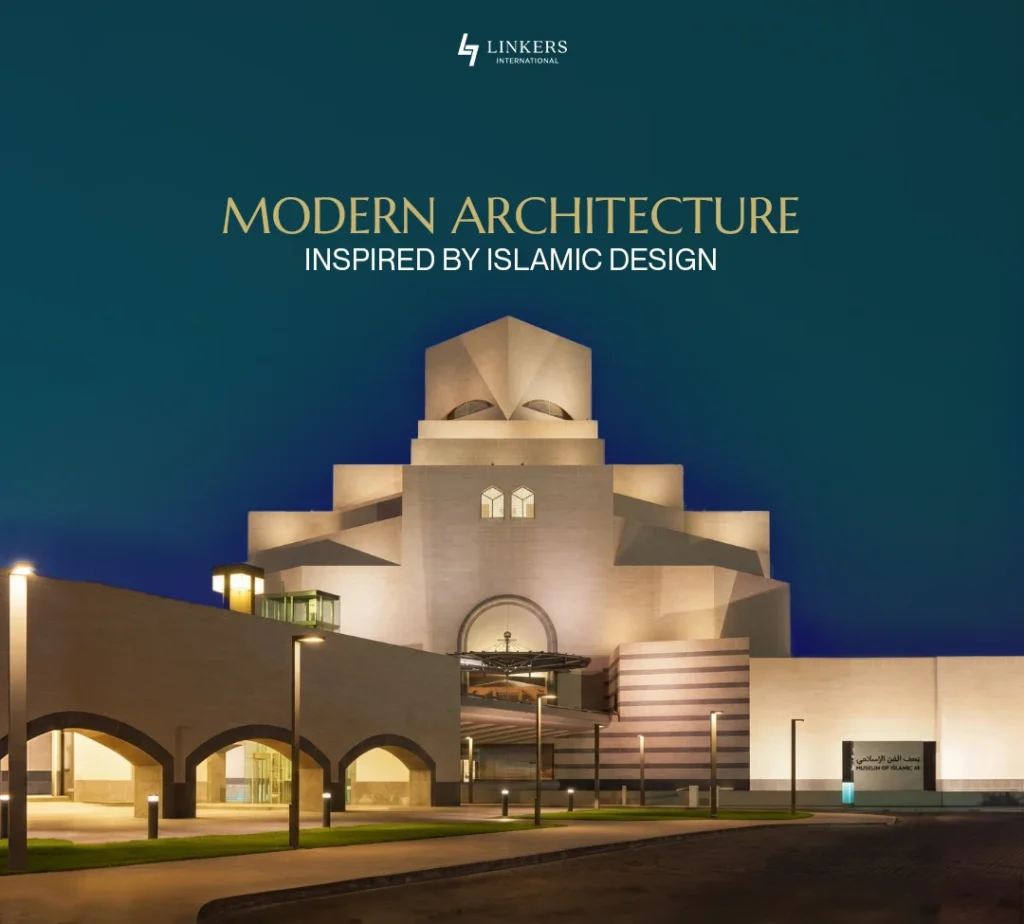
Islamic architecture continues to shape contemporary design, proving that its principles are as relevant today as they were centuries ago. Rather than simply replicating historical styles, many modern architects reinterpret traditional Islamic elements, such as geometric patterns, mashrabiya screens, courtyards, domes, and natural ventilation systems, to create innovative, sustainable, and visually striking buildings.
These projects demonstrate how timeless Islamic design concepts can be seamlessly integrated with modern materials, technology, and engineering to meet the needs of today’s urban environments.
Louvre Abu Dhabi
Its enormous perforated dome filters sunlight to create a mesmerizing “rain of light” effect inspired by traditional palm-frond roofing and Islamic geometric patterns.
Museum of Islamic Art, Doha
Designed with minimalist geometry inspired by classical Islamic architecture, the museum demonstrates how centuries-old principles can inform modern design.
Al Bahar Towers, Abu Dhabi
These towers feature a dynamic facade inspired by the traditional mashrabiya.
The exterior automatically opens and closes depending on sunlight, reducing cooling loads while maintaining daylight.
This is one of the world’s best examples of traditional Islamic ideas combined with smart building technology.
King Abdulaziz Center for World Culture (Ithra)
The building blends modern engineering with regional identity, creating contemporary spaces that reflect Islamic heritage without replicating historic forms.
Education City Mosque, Qatar
This mosque merges modern structural engineering with flowing geometric forms, offering a contemporary interpretation of Islamic architectural traditions.
Why Islamic Architecture Remains Relevant Today
Traditional Islamic architecture is far more than a historical style; it is a masterclass in sustainable design, engineering, artistry, and human-centered planning. From geometric precision and elegant arches to shaded courtyards and passive cooling systems, these architectural principles continue to influence some of the world’s most innovative buildings.
Modern developers who embrace these lessons can create spaces that are not only energy efficient but also culturally rich, aesthetically inspiring, and built to stand the test of time.
Whether designing homes, commercial developments, public spaces, or smart cities, the wisdom embedded in Islamic architecture proves that the best innovations often come from understanding the past. Islamic architecture endures because it addresses timeless human needs. It creates environments that are:
- Beautiful
- Functional
- Comfortable
- Sustainable
- Spiritually uplifting
- Environmentally responsive
Rather than treating architecture as merely construction, Islamic design views buildings as places that nurture both individuals and communities.
As developers seek more sustainable and meaningful ways to build, these centuries-old principles offer practical solutions that remain remarkably relevant.
Frequently Asked Questions (FAQs)
What are the main features of Islamic architecture?
Islamic architecture is known for geometric patterns, domes, arches, minarets, courtyards, mashrabiya screens, water features, gardens, calligraphy, symmetry, and climate-responsive design.
Why is Islamic architecture important?
It combines artistic beauty with engineering, sustainability, spirituality, and functionality, making it one of the world’s most influential architectural traditions.
How does Islamic architecture influence modern buildings?
Modern architects adopt Islamic concepts such as passive cooling, geometric facades, shaded courtyards, natural ventilation, and culturally inspired design to improve sustainability and occupant comfort.
Which modern buildings are inspired by Islamic architecture?
Examples include the Louvre Abu Dhabi, Al Bahar Towers, the Museum of Islamic Art in Doha, Education City Mosque in Qatar, and the Sheikh Zayed Grand Mosque, each blending traditional Islamic principles with contemporary engineering.
Is Islamic architecture sustainable?
Yes. Traditional Islamic architecture incorporates passive environmental strategies—including courtyards, natural ventilation, thick walls, shading, and water features—that reduce energy consumption and improve thermal comfort, making it highly relevant to sustainable architecture today.