
Rawalpindi and Islamabad are undergoing a major infrastructure transformation, with new roads, underpasses, dual carriageways, motorway links, and signal-free corridors changing how people move across the twin cities. From the Rawalpindi Ring Road and Margalla Avenue Extension to the Islamabad Expressway dual carriageway and Park Road Underpass, several major projects are either nearing completion or moving into active construction.
These developments are important not only for commuters but also for residents, businesses, and property investors. Better connectivity can shorten travel times, open new routes, improve access to emerging areas, and increase the attractiveness of locations that were previously considered relatively distant. This Rawalpindi Islamabad Project Updates guide brings together the latest major infrastructure developments and their expected impact on connectivity across the twin cities.
Ongoing Construction Projects in Rawalpindi and Islamabad
If you live in Rawalpindi or Islamabad, you’ve probably noticed that construction has become part of the everyday landscape, from road expansions and underpasses to new interchanges and major connectivity projects. These ongoing construction projects in Rawalpindi and Islamabad are aimed at improving traffic flow, connecting growing residential areas, and supporting the twin cities’ expanding urban footprint.
If you’re searching for ongoing construction projects near me being a resident in Rawalpindi or Islamabad, the most relevant developments include the Rawalpindi Ring Road, Margalla Avenue Extension, Islamabad Expressway Dual Carriageway, Park Road Underpass, and new Peshawar Road underpasses.
Ring Road Rawalpindi Opening On 14th Aug, 2026
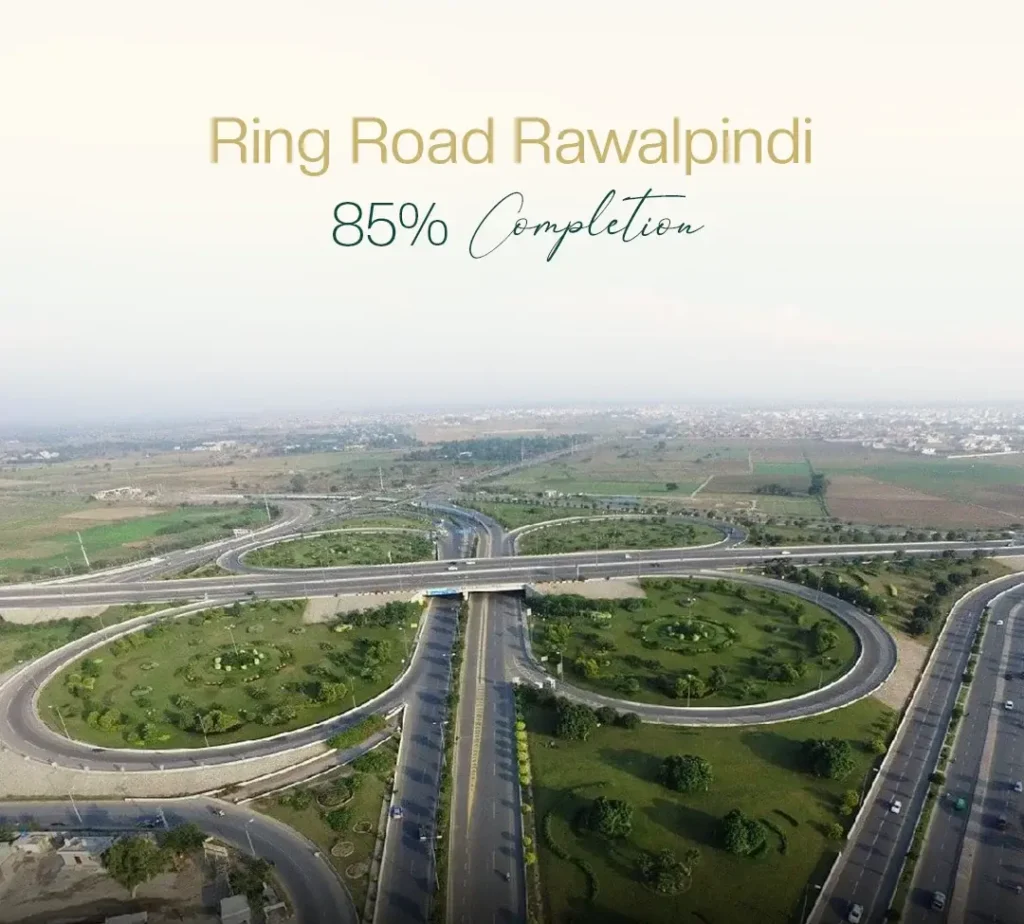
The Rawalpindi Ring Road is one of the most significant ongoing construction projects near Rawalpindi and Islamabad. The approximately 38-kilometre controlled-access road is designed to divert through traffic away from central Rawalpindi and improve connections between GT Road, Rawat, Adiala Road, Chakri Road and the motorway network.
The project has moved well beyond its earlier construction milestones. The road construction updates today say the physical work had reached around 98% completion, with major civil works, bridges, interchanges, road barriers, markings, signage and streetlights substantially completed.
However, the road was not yet open to traffic at the time of the latest reports. Remaining work included elements such as fencing, drainage and interchange-related finishing, while the toll plaza was also being completed. As the latest reports said the road from Baanth on GT Road to Thalian on the motorway had been completed, but some finishing work and interchange ramps remained.
Why the Ring Road matters
Once operational, the project is expected to:
- Divert heavy through-traffic away from urban roads
- Improve movement between GT Road and the motorway
- Reduce pressure on major Rawalpindi routes
- Improve access to developing areas along the corridor
- Support future commercial and residential development
For property buyers, the bigger story is connectivity. Locations that gain direct access to a major controlled-access road can become more attractive for both residential and commercial activity.
Margalla Avenue Extension
The Margalla Avenue Extension is another major project changing Islamabad’s northern and northwestern connectivity. The extension is intended to provide a more direct route from Islamabad towards GT Road and the M-1 Motorway, reducing dependence on existing congested routes.
CDA has been working on the extension and associated interchange infrastructure, including the Sangjani Interchange on GT Road and the project is expected to be completed by the end of 2026. The project is particularly significant for areas around D-12, C-12, C-13, Sangjani and other northern and northwestern growth corridors, where improved motorway access can make commuting considerably easier.
What the project could change
- Faster access towards M-1
- Better connectivity between Islamabad and GT Road
- Reduced pressure on existing city routes
- Improved access to emerging northern sectors
- Stronger connectivity for surrounding residential developments
The project is therefore more than another road construction project; it is part of Islamabad’s broader expansion towards the northwest.
Islamabad Expressway Extension: New Dual Carriageway
One of the major road construction updates in Islamabad is the dual carriageway along the Islamabad Expressway. The project will replace the existing service road with a nine-kilometre, three-lane-per-side dual carriageway, running from Faizabad to the Gulberg Greens stop. The project was launched in June 2026, with an estimated cost of around Rs7.4 billion.
The Islamabad Expressway Extension project has since moved through the bidding stage. In July, CDA received a bid around 13% below the estimated cost for the dual carriageway project. The project is particularly important because the Islamabad Expressway is already one of the main arteries connecting Islamabad with Rawalpindi and the southern parts of the capital.
What to expect
The new dual carriageway is expected to:
- Increase road capacity
- Improve traffic flow along the corridor
- Provide a stronger alternative to the existing service road
- Improve access towards Gulberg and surrounding developments
- Support future commercial activity along the corridor
CDA has also indicated plans for a commercial corridor along the route, making this development relevant to both road users and real estate investors.
Park Road Underpass: A Major Traffic Relief Project
The Park Road Underpass, also referred to as the Margalla Enclave Underpass, is one of Islamabad’s most closely watched ongoing road projects. The underpass is being developed to improve traffic movement along Park Road, particularly around the rapidly developing areas of Margalla Enclave, Park View City and Bahria Enclave. Construction and traffic diversions have affected commuters along the corridor, but the project is intended to provide a long-term solution to the growing traffic pressure.
According to an update presented in June, the underpass was expected to be completed and opened to traffic by July 30, 2026, while the wider infrastructure package was expected to continue into August.
Why Park Road is important
Park Road has become increasingly important because it connects several expanding residential areas with central Islamabad and surrounding corridors.
Once the project is completed, it should help:
- Reduce congestion at the intersection
- Improve traffic flow on Park Road
- Make commuting easier towards Zone-IV
- Improve access to nearby housing developments
- Support further development along the corridor
For residents, the immediate construction disruption is significant, but the long-term benefit is expected to come from better connectivity and reduced travel friction.
Charing Cross Underpass: Peshawar Road Enters a New Phase
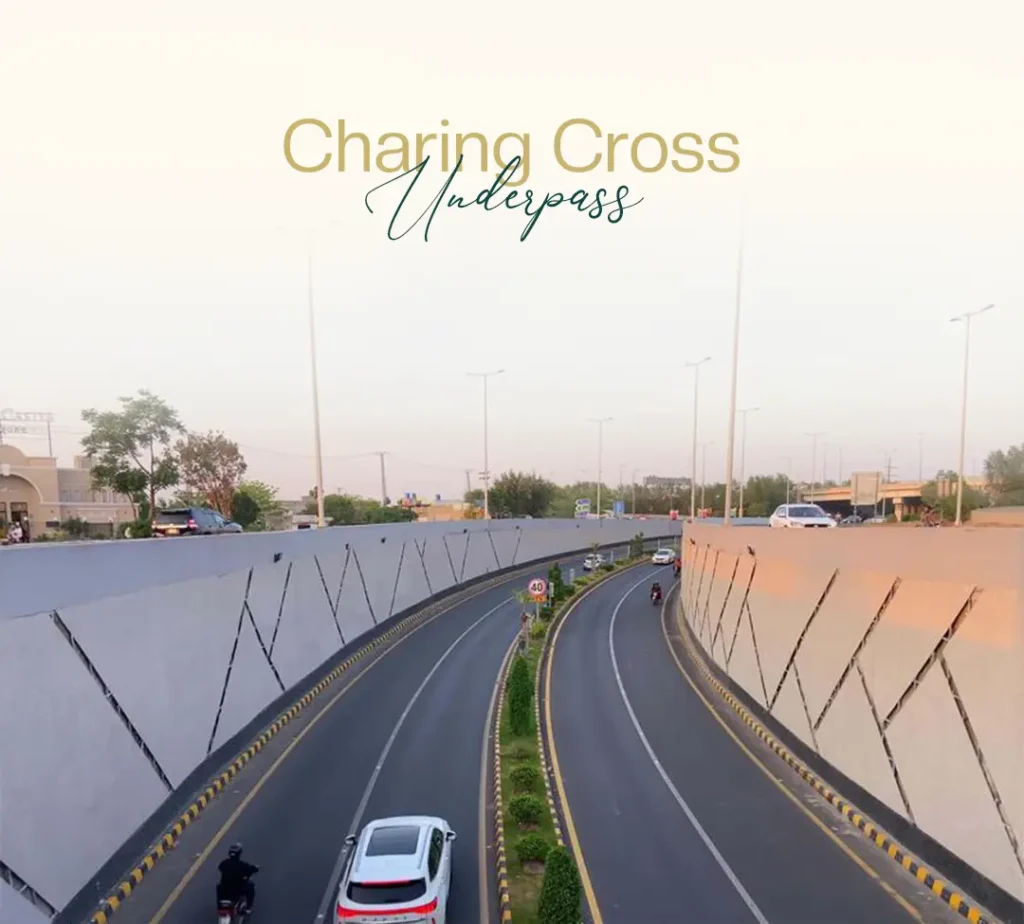
The Charing Cross Underpass is part of Rawalpindi’s next phase of signal-free road development on Peshawar Road. Construction began in May 2026 alongside two other underpasses at Qasim Market Chowk and Qabristan Chowk. The three projects have a combined estimated cost of Rs8.359 billion, with the Charing Cross underpass estimated at approximately Rs2.588 billion.
Officials reported that more than 80% of utility relocation work had been completed when construction began, while temporary alternative routes were also being developed to manage traffic during construction. The initial target was to complete the three underpasses in around three months.
Importance of Charing Cross Underpass
Charing Cross is an important connection for traffic moving between Rawalpindi’s cantonment areas, Peshawar Road and GT Road. The underpass is intended to remove a major signal-controlled bottleneck and contribute to a longer signal-free corridor.
The wider Peshawar Road package includes:
- Qasim Market Underpass
- Qabristan Chowk Underpass
- Charing Cross Underpass
Once these projects are completed, they are expected to improve movement along the corridor towards Islamabad, the airport and the motorway network.
Kachehri Chowk Remodeling: Ease for 2 Lac Daily Vehicles
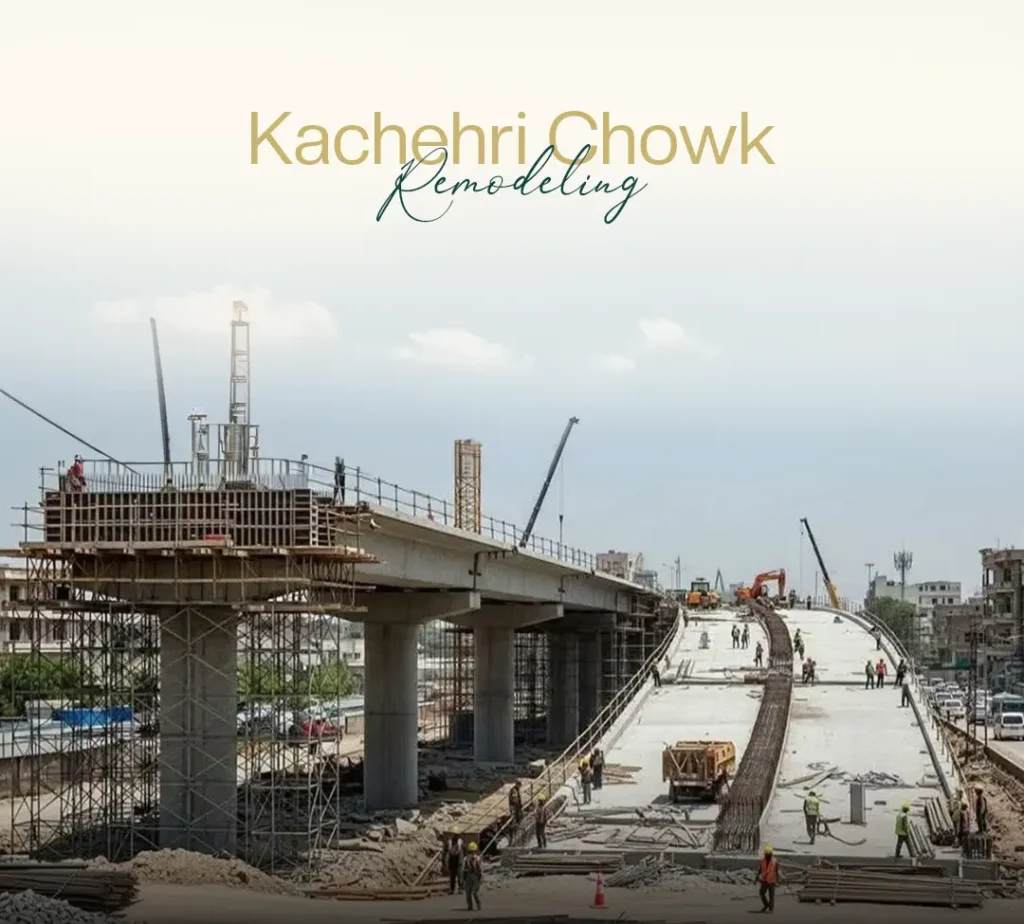
One of the most talked-about projects in Rawalpindi is the Kachehri Chowk renovation project, a major rebuild of one of the city’s busiest intersections from Kacheri Chowk to Motorway Chowk. This city center remodeling project covers a total of 31 kanals of land, aims to eliminate chronic congestion by building 3 flyovers and 3 underpasses that connect Police Annex Chowk, University Chowk, and the surrounding junctions.
Kachehri Chowk Latest Updates
The Kachehri Chowk Rawalpindi, now renamed Marka-e-Haq Square, was inaugurated in May 2026, introducing a signal-free corridor designed to significantly reduce traffic congestion. The newly completed Kutchery Chowk flyover is also open to traffic following extensive construction, improving flow and connectivity across this key route in Rawalpindi.
Why is Kachehri Chowk Remodeling important?
Over 200,000 vehicles pass this junction every day, and the current signal-based setup causes heavy delays during peak hours. Therefore, a traffic management system upgrade is a major requirement. Kachehri Chowk is a central junction that connects;
- Jinnah Park Road
- Rashid Minhas Road
- Iftikhar Janjua Road
- Mall Road
- Jhelum Road
This revamp will help traffic move smoothly and almost without stopping. This Rawalpindi Development project includes a long flyover of about 878 m and a 530 m underpass, with major earthwork and piling already underway.
From Rawat / Jhelum Road to Old Airport:
Use Bahria Phase 1 and High Court Road as the primary diversion.
From Jhelum Road to Peshawar Road / New Airport:
Follow Morgah Turn → Attock Oil Refinery → Education Board Office → Defence Road → Khawaja Corporation Chowk → Tulsa Road → Tahli Mohri Chowk → Kalma Chowk → Bakra Mandi → 22 Number Chowk.
From Jhelum Road to Saddar / Murree Road:
Use New Lalazar → Foundation University → COD Chowk → Burki Chowk → Convent Chowk → Family Ward Chowk → 22 Number Chowk.
From Old Airport to Murree Road / Saddar:
Follow Rawal Road → Fauji Tower → Tipu Road → Rahimabad Flyover route → Moti Mahal.
Rawalpindi Islamabad Project Updates Murree Road Expansion
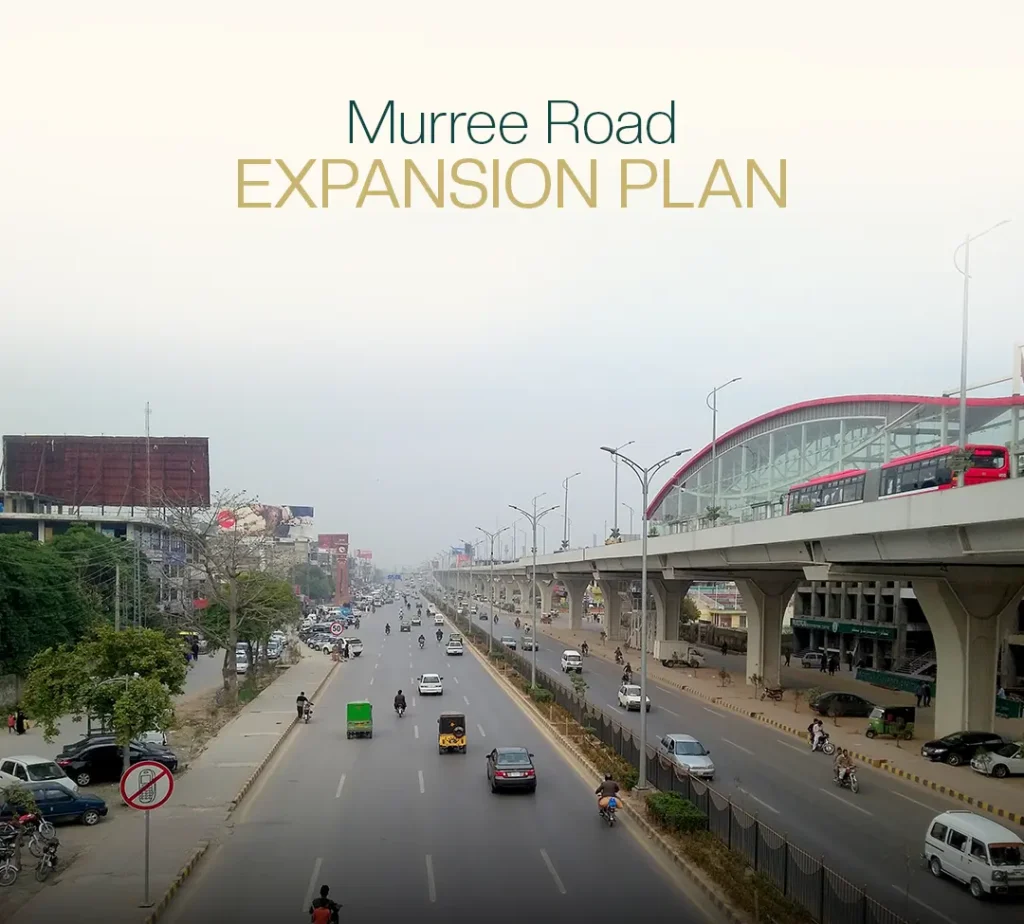
The Murree Road Expansion Plan proposes widening Murree Road from Liaquat Bagh to Chandni Chowk to improve traffic flow and reduce congestion along this busy corridor. The Murree Road expansion scheme includes the construction of service roads on both sides across a 3-KM stretch, expanding the roadway by 20 feet and requiring the acquisition of approximately 48 kanals of land.
Upon completion of the service lanes in this urban transport improvement project, the main carriageway is expected to become signal-free from Marrir Chowk to Faizabad, ensuring smoother transit, reduced travel time, and enhanced connectivity between key commercial and residential areas.
GT Road Beautification Project
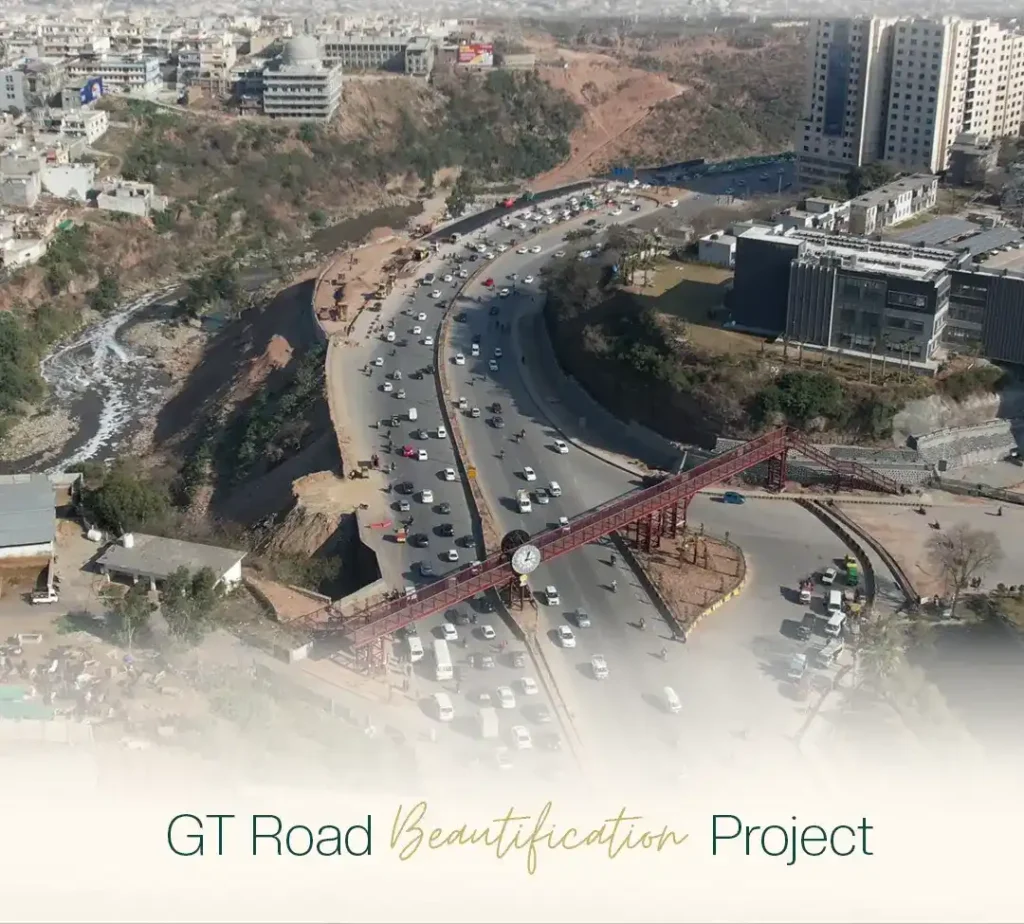
The iconic GT Road corridor, especially along DHA Phases 1 & 2, and in front of the Bahria Town, is also part of RDA’s latest projects on sustainable urban development. This GT Road beautification project includes green belts, installation of pools, plantation, and paintings. pavement improvements, road safety measures, and beautification in high-traffic zones.
The RDA GT Road beautification project is aimed at improving the traffic experience of the travelers and transforming the urban outlook on one of the most important highways of Rawalpindi and Islamabad.
This urban upgrade project by the Rawalpindi Development Authority (RDA), spanning DHA Islamabad Phases 1 and 2 and Bahria Town Rawalpindi, will significantly enhance the overall travel experience for residents accessing nearby commercial, residential and community destinations.
Upcoming Projects in Islamabad
Among the upcoming projects in Islamabad, the New Islamabad Cricket Stadium and 10th Avenue Islamabad stand out for their potential to support the city’s future growth. The planned cricket stadium is expected to add a major sports and entertainment destination, while 10th Avenue is designed to strengthen connectivity and improve traffic movement across the capital. Together, these developments reflect Islamabad’s continued expansion in infrastructure, connectivity, and urban facilities, creating new opportunities for surrounding areas.
Importance of Infrastructure Upgrade
The ongoing infrastructure upgrades across Rawalpindi and Islamabad reflect a broader effort to modernize the region’s urban transport network and prepare for future growth. These Projects are not only easing traffic congestion but also strengthening connectivity between key urban and suburban areas and will enhance mobility, support economic activity, and improve the overall quality of life for residents, positioning the twin cities for more sustainable and efficient urban growth in the years ahead.