
In modern real estate, comfort is often associated with architecture, interiors, or location. However, the real foundation of comfort lies deeper within a building’s engineering systems, particularly MEP design. MEP design in modern buildings plays an important role in determining how a building feels and performs for the people who live or work in it.
While MEP design services in construction rarely receive much attention during property discussions, they are important factors in indoor comfort, energy efficiency, operational performance, and long-term asset value.
As buyers and investors increasingly look for energy-efficient buildings, smart homes, sustainable construction, and well-planned real estate developments, MEP design in modern buildings has become an important part of how building performance and efficiency are assessed.
MEP Design in Construction
MEP Design and quality in real estate projects stands for Mechanical, Electrical, and Plumbing systems, three core engineering disciplines that ensure a building functions safely, efficiently, and comfortably.
Mechanical systems include HVAC (heating, ventilation, and air conditioning), which control indoor temperature and air quality. Electrical systems handle power distribution, lighting, backup systems, and increasingly, smart automation technologies. Plumbing systems manage water supply, drainage, waste disposal, and sanitation.
Together, these systems form the lifeline of any modern building, whether residential, commercial, or mixed-use development.
Effects of Poorly Planned MEP Design
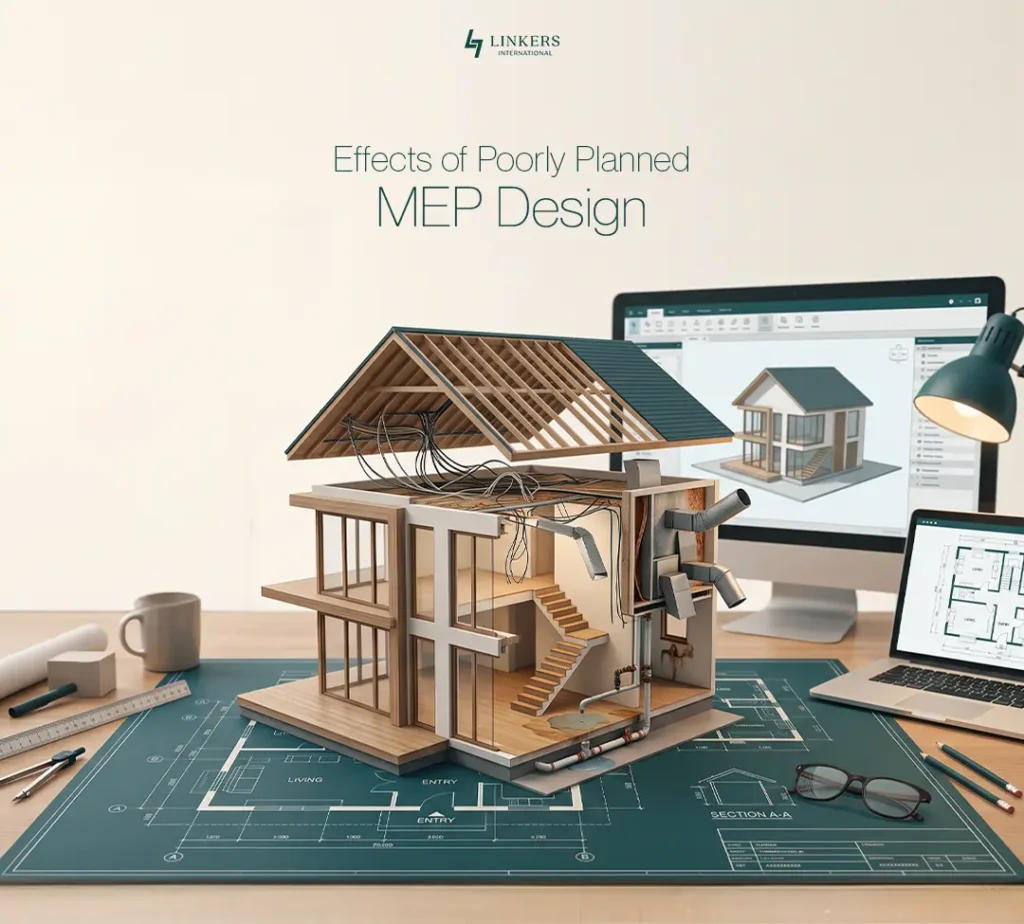
Without well-planned MEP design, even the most beautifully designed building can fail to deliver comfort, efficiency, and reliability. When people experience a building, they rarely think about ducts, cables, or pipe networks.
They feel outcomes, cool air during summer, stable electricity without fluctuations, consistent water pressure, and proper ventilation that keeps indoor spaces fresh and healthy.
- High electricity bills
- Frequent maintenance complaints
- Poor ventilation
- Water system failures
Correcting these issues after construction is expensive and often impractical. This is why leading developers invest heavily in MEP consultants, detailed engineering coordination, and system simulations before execution begins.
HVAC System Design in Buildings: Poor mechanical planning leads to uneven cooling, humidity issues, and high energy consumption. On the other hand, well-engineered HVAC systems ensure balanced temperature distribution, better air circulation, and reduced operational costs.
Building Electrical System Design: Similarly, electrical design plays a major role in comfort and safety. A well-planned system ensures an uninterrupted power supply, prevents overloads, and supports modern smart home systems. In premium developments, electrical infrastructure also supports automation, security systems, and energy monitoring solutions.
Plumbing design directly impacts hygiene and usability. Issues such as low water pressure, leakage, or poor drainage are often the result of weak MEP planning rather than visible construction flaws. Proper plumbing engineering ensures long-term reliability and reduces maintenance issues for residents.
In competitive real estate markets, buildings with weak MEP systems often suffer from lower tenant satisfaction, higher vacancy rates, and reduced resale value over time.
Energy Efficiency, Sustainable Building Design
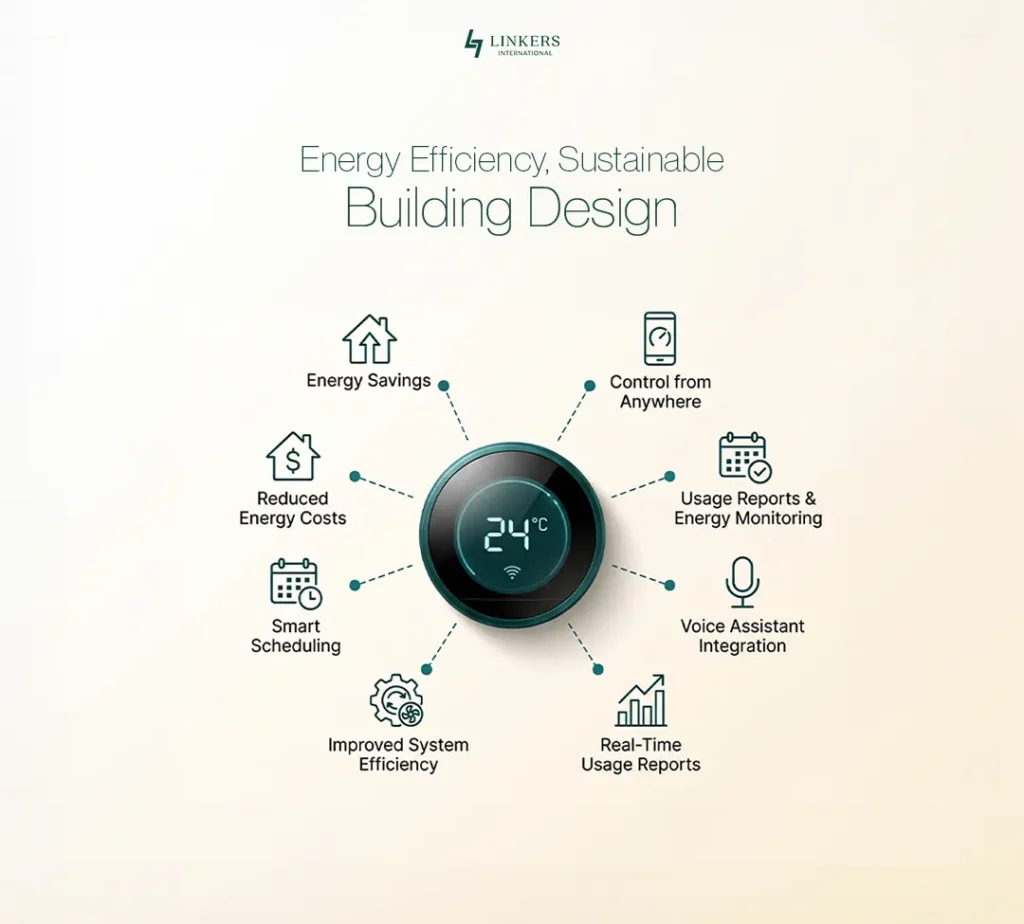
In real estate development engineering standards, MEP design is closely linked with green building design and energy-efficient architecture. With rising energy costs and increasing environmental concerns, developers are now focusing on systems that reduce electricity consumption and improve operational sustainability.
Efficient HVAC systems, optimized electrical layouts, and water-saving plumbing technologies significantly reduce a building’s carbon footprint. The following features are becoming standard in high-quality developments such as;
- ED Lighting Systems
- Energy Recovery Ventilation
- Solar Integration
- Smart Meters
This shift is also driven by investors who now evaluate projects based on sustainable real estate investment criteria, where long-term operational savings are just as important as initial construction quality.
MEP Design and Smart Buildings
The evolution of smart buildings has further increased the importance of MEP systems. Modern developments now integrate IoT-based building management systems (BMS) that monitor and control mechanical and electrical operations in real time.
Smart HVAC controls adjust temperature based on occupancy. Intelligent lighting systems reduce energy waste. Advanced sensors monitor water usage and detect leaks before they become major problems. All of this depends on a strong and well-coordinated MEP foundation.
Without integrated MEP planning, smart building technology cannot function effectively.
Impact of MEP on property value
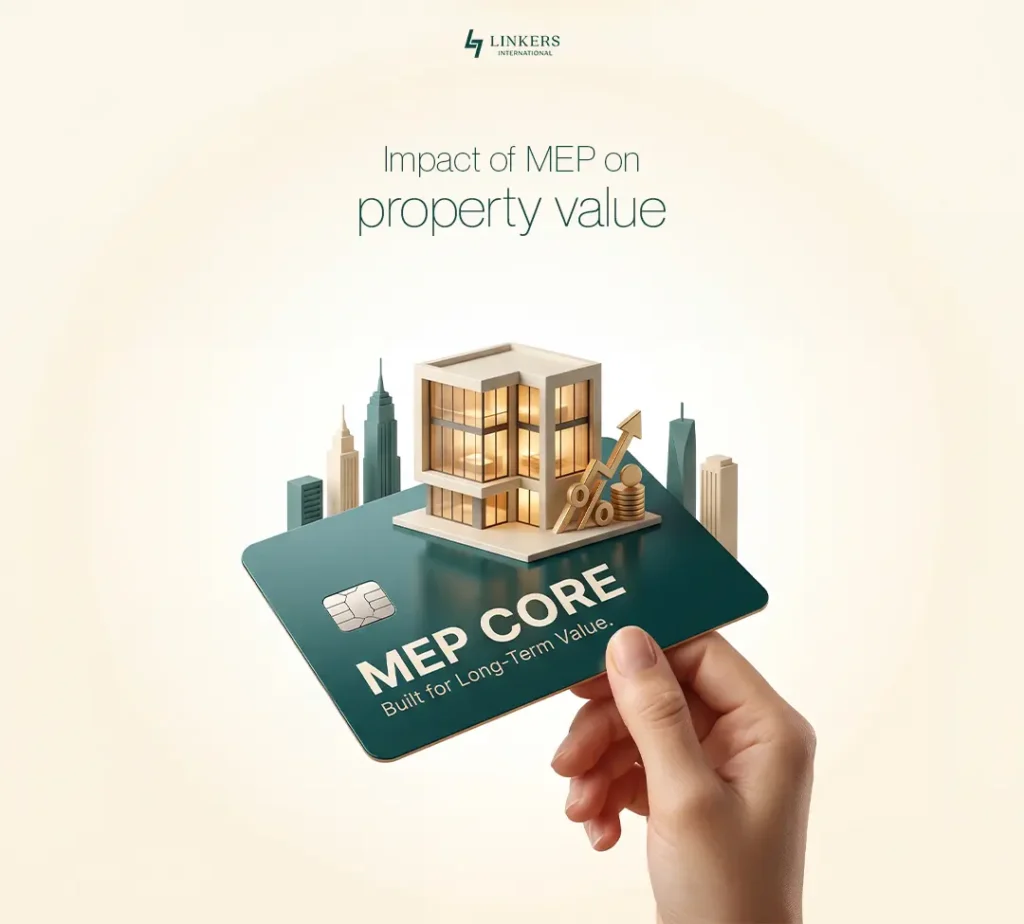
For investors and buyers evaluating property, MEP quality is becoming an indirect but powerful value indicator. A well-designed building offers lower maintenance costs, better energy efficiency, and improved tenant retention, factors that directly influence rental yield and capital appreciation.
In premium developments, MEP design is no longer just a technical requirement; it is a strategic investment decision that affects the entire lifecycle of the asset.
MEP systems: Silent Backbone of Architectural Designs
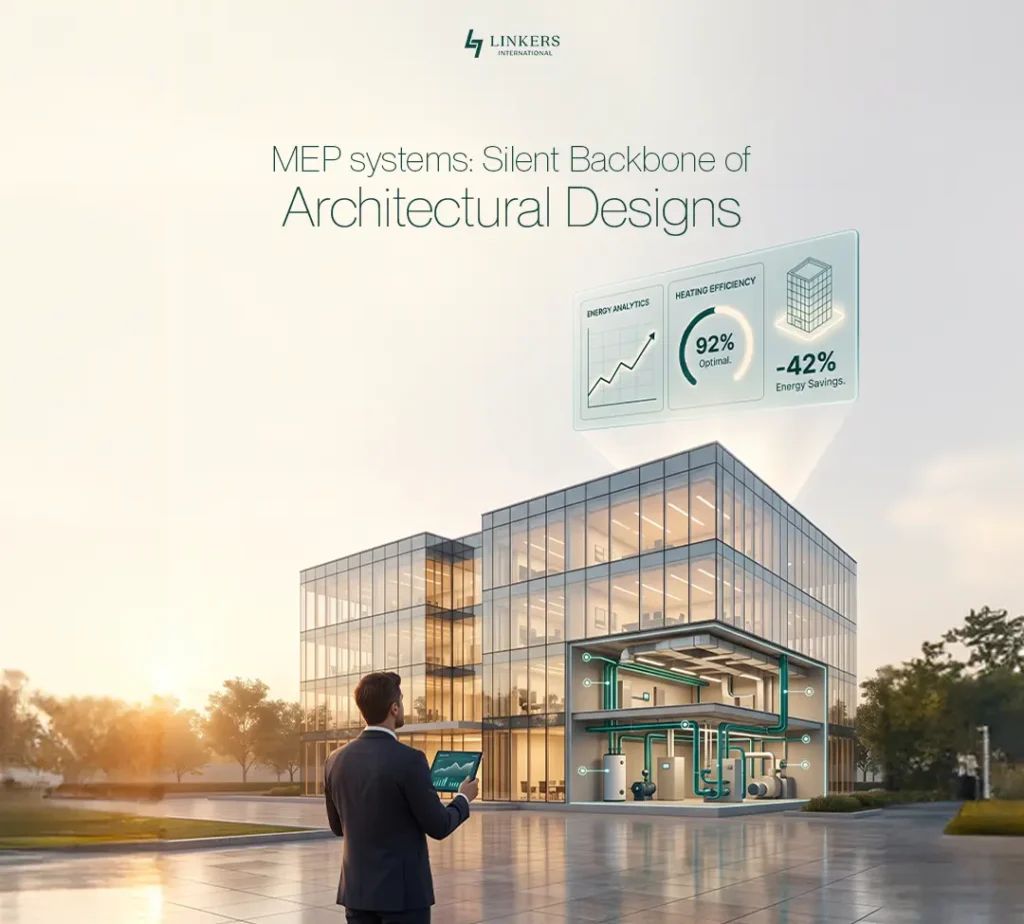
In modern real estate, true comfort is not defined by aesthetics alone. It is engineered through precision, planning, and technical execution. MEP systems are the silent backbone that transforms architectural designs into livable, efficient, and high-performing environments.
As the industry moves toward smarter cities, sustainable construction, and technology-driven developments, the importance of advanced MEP design in modern buildings will only continue to grow.
Ultimately, the buildings that deliver the highest comfort, lowest operational cost, and strongest long-term value will not just be the best designed, they will be the best engineered.