
There was a time when luxury in housing was easy to recognize. A grand entrance, imported marble, crystal chandeliers, and heavy wooden doors that “look expensive.” If it looked premium, it was premium.
But cities are changing, lifestyles are changing, and quietly, without dramatic announcements, luxury has started to disappear from appearance and move into experience. That’s the invisible luxury.
What Exactly is Invisible Luxury?
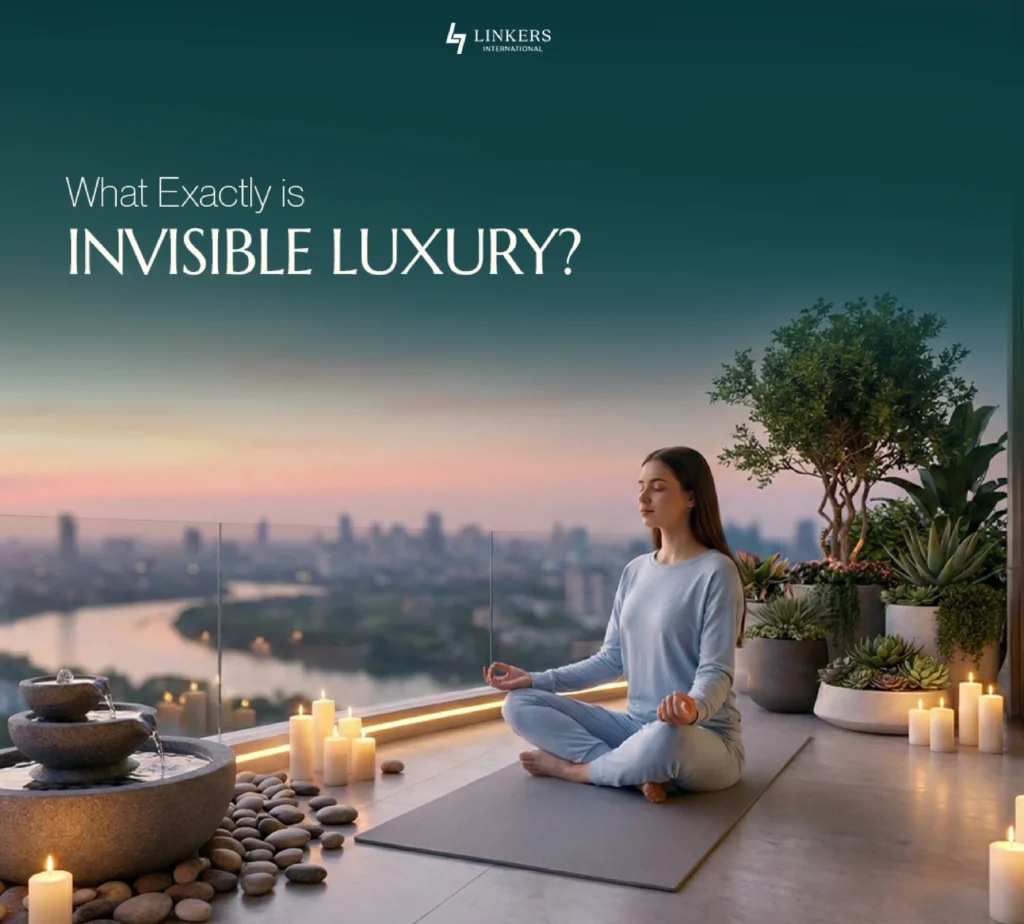
Invisible luxury is the kind of comfort, quality, and experience in a home that you don’t immediately see, but you definitely feel every single day. It is not about flashy interiors, oversized chandeliers, or heavily decorated spaces. Instead, it exists in the background of life, quietly shaping how comfortable, peaceful, and effortless your daily routine feels inside a home.
It is the difference between a house that looks impressive for a moment, and a home that feels right for years. Invisible luxury shows up in things like natural light flowing into your rooms, silence that shields you from the chaos of the city, air that feels fresh without effort, and spaces that move naturally with your lifestyle.
The Shift From Display to Experience
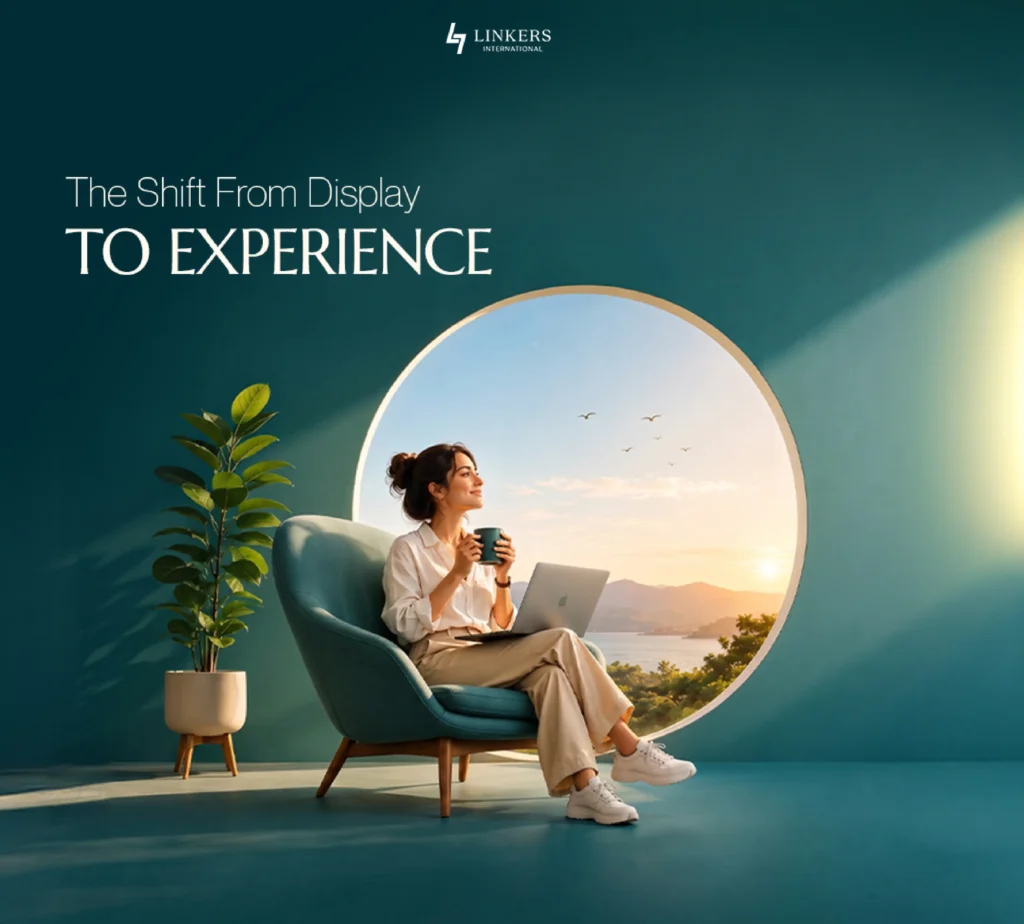
In simple terms, invisible luxury is comfort that doesn’t ask for attention, but never stops working for you. You don’t notice these things individually, but together, they define how “livable” a home truly is. Therefore, modern housing is going through a subtle but powerful transformation.
Earlier, buyers would ask:
- How big is the house?
- What fittings are included?
- How premium is the finish?
Today, the more meaningful questions are:
- How does the space feel in daily life?
- Is it quiet inside?
- Does natural light reach every corner?
- Will I feel mentally at ease here after a long day?
The definition of luxury is no longer about what a home shows to others. It is about what it does for the person living inside it.
Natural Light: The First Silent Luxury
Walk into two apartments of the same size. One is dim, dependent on artificial lighting even during the day. The other is filled with soft daylight, changing with the hours. The second one instantly feels larger, calmer, more alive.
This is not decoration.
This is design intelligence.
Architects now increasingly treat daylight as a core building material, not an afterthought. In fact, global design research consistently shows that natural light improves mood, productivity, and sleep cycles. Yet it rarely appears on brochures as a “feature.” Because it cannot be installed. It must be designed.
Silence: The New Status Symbol
In older definitions of luxury, noise was accepted as part of urban life. But modern living has changed expectations. Today, one of the most valued features in premium housing is simple:
You don’t hear the city when you are inside your home.
No traffic hum, no corridor echoes, no neighbor disturbances. Acoustic comfort is now one of the strongest differentiators in high-quality developments, especially in dense urban environments. Interestingly, it is rarely marketed loudly, because it cannot be photographed. It can only be experienced. And that makes it even more valuable.
Air, Temperature, and Invisible Engineering
Comfort used to be associated with visible amenities: gyms, pools, lounges. Now, comfort is becoming invisible:
- How stable is the indoor temperature?
- Does the apartment overheat in summer afternoons?
- Is ventilation natural or mechanical?
- Does the air feel fresh without effort?
Modern MEP (Mechanical, Electrical, Plumbing) systems, insulation techniques, and facade engineering are quietly redefining how buildings behave. A well-designed home no longer demands attention from its systems. It simply feels right. That is invisible luxury at work.
The Psychology of Space: Affecting the Mind
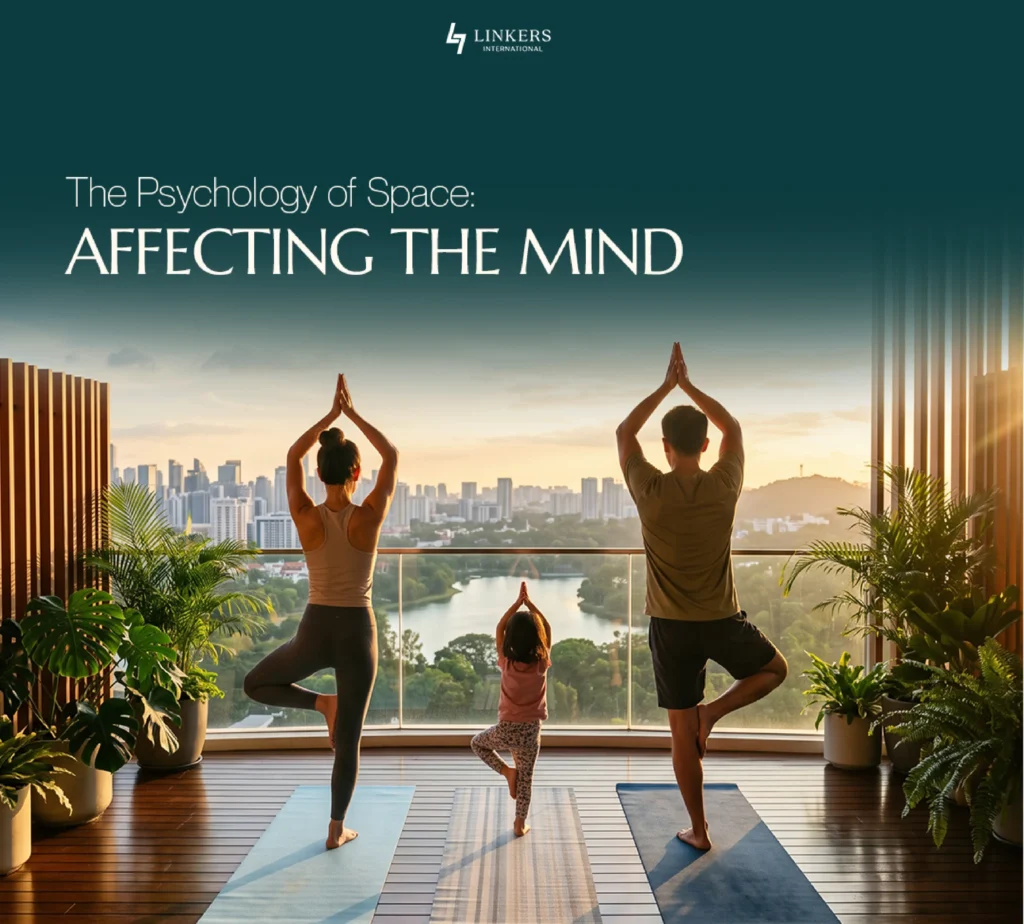
Architecture is no longer just structural; its psychological significance is now a more debatable aspect. For example, a narrow, poorly lit corridor creates subconscious stress and a cluttered layout creates mental fatigue. Similarly, a well-proportioned, open space creates calm, even if the square footage is identical. This is where concepts like neuroarchitecture come in. It studies how spatial design influences emotion, focus, relaxation and decision-making. In simple terms, your home shapes how you think and feel every day, without you noticing. That is perhaps the most powerful form of design influence.
Privacy Without Isolation: The New Balance
Older housing models often forced a clear trade-off between community living and complete isolation, where residents had to choose between being socially connected or having personal privacy. Modern developments are now rethinking this approach by trying to balance both needs within a single environment.
Today’s residents want the comfort of private, undisturbed homes, but they also value access to thoughtfully designed shared spaces that encourage interaction when desired. This creates a subtle yet powerful form of luxury, living in a space where you are never disturbed, yet never disconnected. It is a balance that goes beyond visible amenities and cannot be fully captured in a simple list of features.
Convenience That Works Quietly in the Background
True modern luxury is no longer defined only by what is visible on the surface, but by how seamlessly a building works in everyday life. The most premium developments are often the ones where residents don’t have to think about systems at all, because everything simply functions as it should. This silent efficiency, hidden behind design and planning, is what truly elevates the living experience.
- Smooth parking flow
- Reliable elevators
- Efficient waste systems
- Secure access control
- Uninterrupted utilities
No one usually highlights these elements in brochures or marketing campaigns, yet they define the real quality of a development. In fact, they only become noticeable when they fail, which is why they represent the purest form of invisible luxury: a life free from avoidable problems.
Why This Matters in Real Estate Today
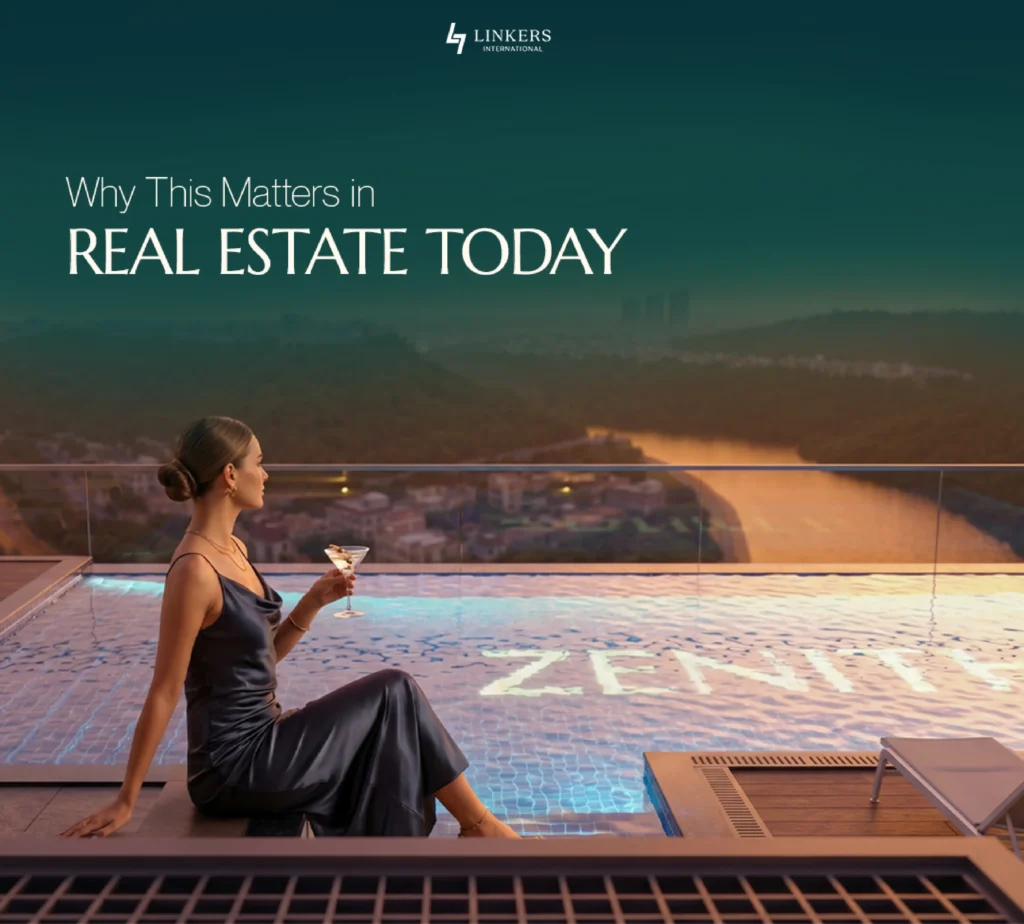
Across global markets, and increasingly in Pakistan’s urban developments, buyers are shifting from: What does this project offer?” to “What will my daily life feel like here?” This is a deeper, more mature way of evaluating property.
It means that buyers are now making fewer impulsive decisions based only on visuals and surface appeal, and are instead shifting their focus toward livability, long-term comfort, and how a space will actually function in daily life. This change reflects a more mature and informed approach to real estate, where expectations from developers are higher, and true value is measured not just by appearance, but by the quality of living a project can consistently deliver over time. In other words, real estate is slowly becoming less about selling space—and more about selling experience.
Future Homes Won’t Sell on Looks Alone
The future of housing will no longer be defined by what can be displayed in brochures or captured in marketing visuals. Instead, it will be shaped by experiences that are difficult to fully explain, but instantly understood the moment you step inside a space.
It is the feeling of comfort without effort, silence without asking, and balance without compromise. Because in the end, true luxury lives quietly in the background of everyday life, seamless in function, subtle in presence, and invisible in its most refined form.