
Architectural acoustics quietly shapes our experience of buildings, often without us even realizing it. Imagine walking into a beautifully designed restaurant. The lighting is perfect, the furniture is elegant, but the noise is overwhelming. Conversations bounce off the walls, you struggle to hear the person across the table, and suddenly the space feels stressful rather than inviting.
That’s where acoustic of building come in. Let’s learn architectural acoustics in detail.
What Is Architectural Acoustics?
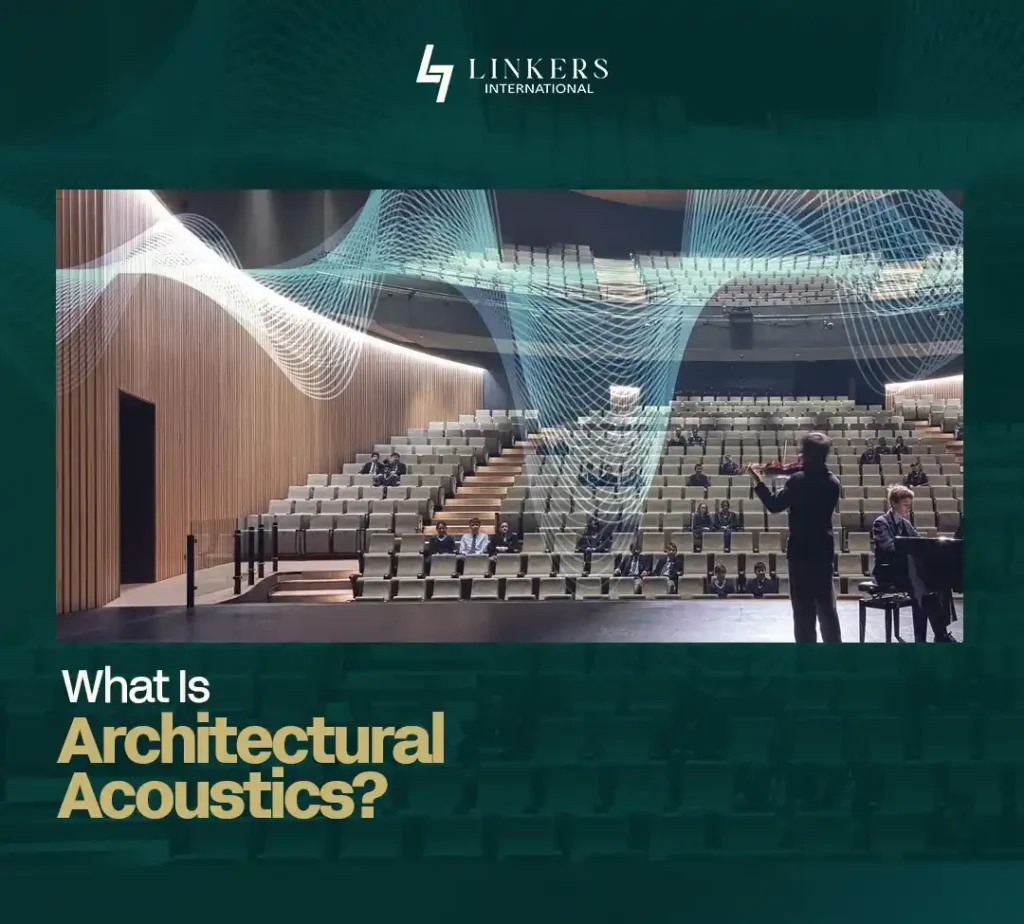
Acoustic of building is the science and art of controlling sound within buildings. It focuses on how sound is generated, transmitted, reflected, absorbed, and perceived in a space.
When architects and engineers design a building, they don’t only consider how it looks or how strong it is; they also think about how it sounds. A well-designed acoustic in architecture ensures that speech is clear, noise is controlled, and unwanted echoes or vibrations are minimized.
Why Acoustics in Buildings Matter?
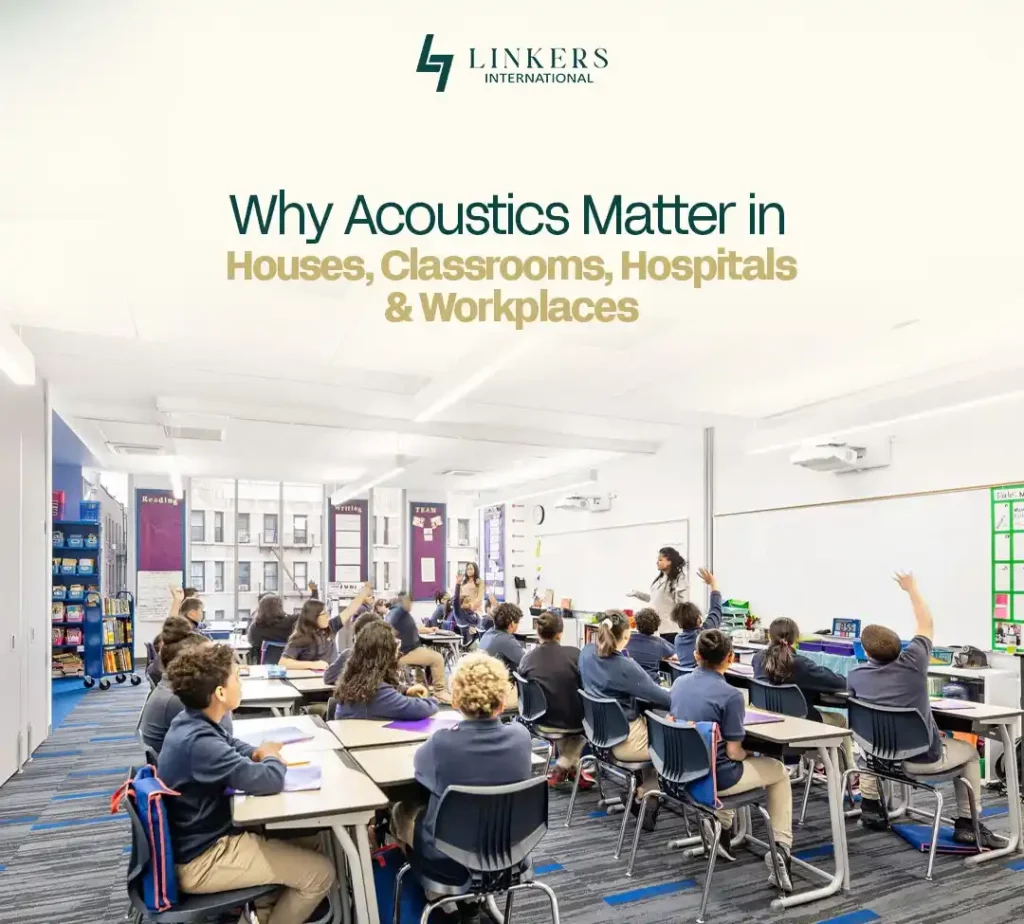
Sound has a powerful effect on human behavior, health, and productivity. Poor acoustics don’t just annoy people; they actively reduce comfort and performance.
Acoustics in schools: Students can miss up to 25–30% of spoken information if a classroom has excessive reverberation or background noise. Teachers are forced to raise their voices, leading to fatigue and long-term vocal strain.
Acoustics in offices: constant noise from phones, keyboards, and conversations can lower productivity and increase stress. A famous study of open-plan offices showed that employees experienced higher stress levels and lower focus when acoustic design was ignored, even though the space looked modern and efficient.
Acoustics in hospitals: Research has shown that high noise levels in patient rooms can slow recovery, disrupt sleep, and increase anxiety. Many modern healthcare facilities now prioritize acoustic ceilings and wall treatments to create calmer, healing environments.
The Hidden Role of Acoustics in Everyday Buildings
In modern construction, the acoustics of buildings are essential. They are not just about soundproofing music studios or concert halls. They influence how we learn in classrooms, recover in hospitals, work in offices, and even relax at home. We often associate acoustics with concert halls or recording studios, but everyday buildings depend on them just as much.
Think of a cinema where dialogue sounds muffled, or a mosque or church where sermons echo and become hard to understand. Even luxury apartments can feel uncomfortable if footsteps, plumbing noise, or traffic sounds travel easily between rooms.
Common Acoustic Problems in Buildings: Causes & Solutions
Good acoustics in buildings are essential for comfort and productivity in any building. Everyday problems like echoes, footsteps, and appliance noise can affect occupants. Understanding the causes and solutions helps create quieter, more functional spaces.
Footsteps or dragging furniture heard from upper floors
- Cause: Poor impact sound insulation in floors.
- Solution: Use carpets, rugs, resilient flooring, or acoustic underlays.
Water splash or shower sounds heard in rooms
- Cause: Inadequate insulation of plumbing and bathroom walls.
- Solution: Add pipe insulation, acoustic wall panels, or floating floors.
People talking in one room heard in another
- Cause: Poor wall insulation, gaps around doors, or lightweight partitions.
- Solution: Use soundproof partitions, door seals, and double-layer walls.
Kitchen appliance noise spreading to living areas
- Cause: Open layouts, hard surfaces, and a lack of acoustic separation.
- Solution: Add acoustic panels, carpets, and kitchen enclosures.
Ceiling noise from upper-floor movement
- Cause: Lack of floor-ceiling impact insulation.
- Solution: Install resilient flooring, acoustic underlays, or suspended ceilings.
Echo in halls and stairwells
- Cause: Hard reflective surfaces like tiles, glass, and concrete.
- Solution: Use sound-absorbing panels, carpets, or acoustic ceiling tiles.
Outside traffic or mechanical noise entering indoors
- Cause: Thin windows, unsealed openings, or poor façade design.
- Solution: Install double-glazed windows, door seals, and acoustic barriers.
Loss of speech privacy in offices or rooms
- Cause: Lightweight partitions without sound insulation.
- Solution: Use thicker partitions, acoustic panels, and soundproof doors.
What Is Acoustic Treatment in Construction?
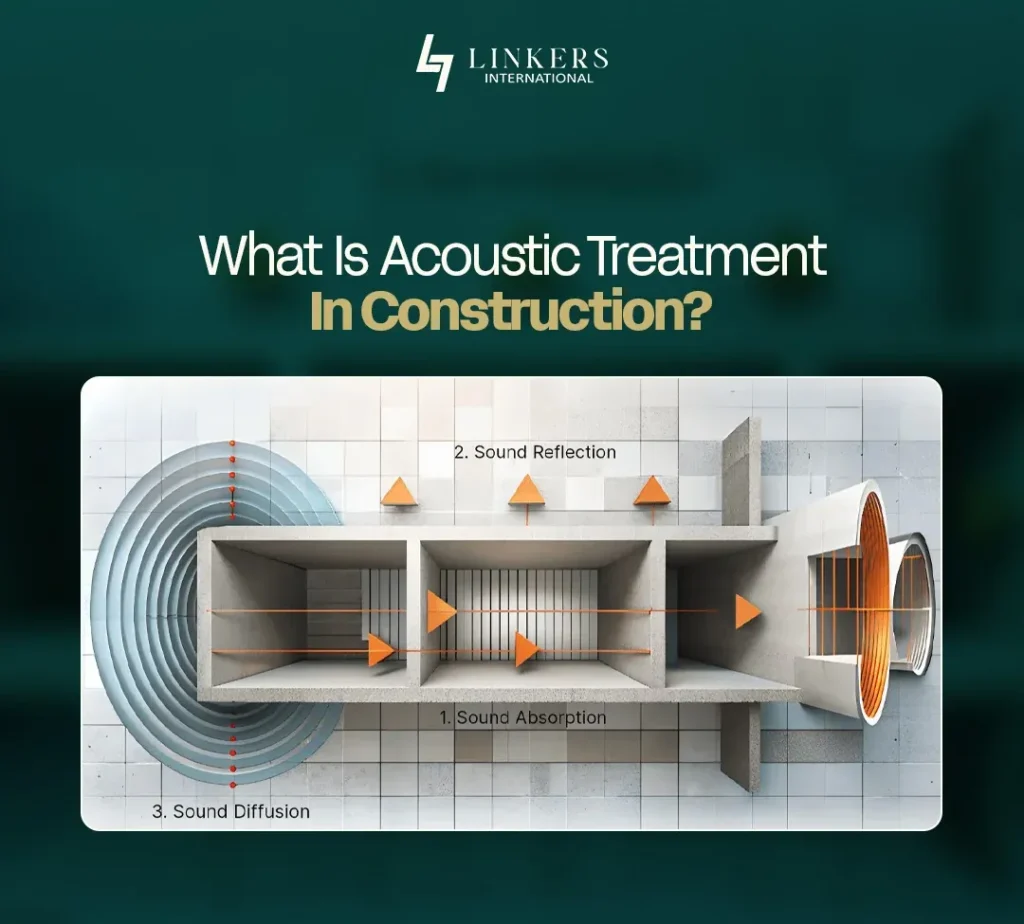
Acoustic treatment in construction is the method and materials used to control sound behavior within a building. Unlike soundproofing, which aims to stop sound from entering or leaving a space, acoustic treatment focuses on improving sound quality inside the space. It doesn’t eliminate sound; it shapes it by managing three main sound issues: reverberation (excessive echo), noise buildup, and speech clarity.
Acoustic Treatments Used in Buildings
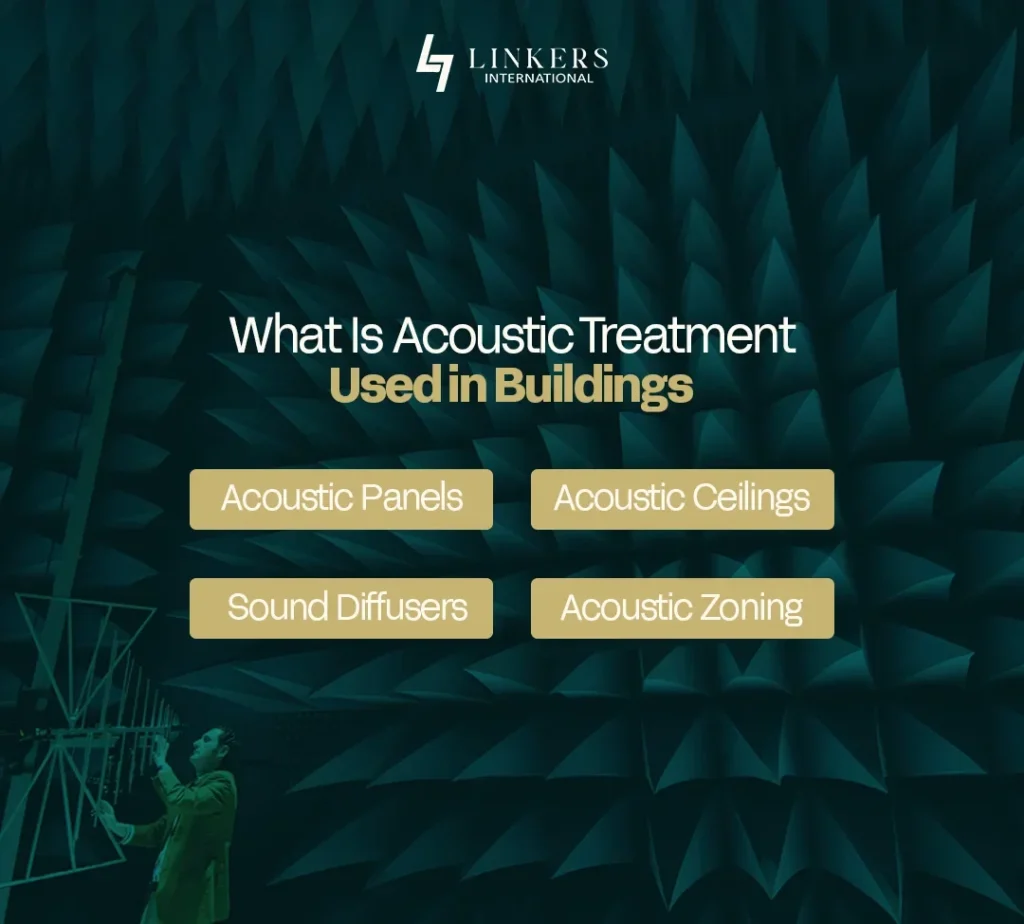
Good acoustics in architecture means creating spaces that feel comfortable, private, and purposeful, even if users can’t explain why the space feels right. Some of the common acoustic treatments used in buildings are explained below.
Acoustic Panels: One of the most widely used solutions is acoustic panels. These are designed to absorb sound waves rather than reflect them. You’ll often see them in offices, classrooms, and conference rooms, sometimes disguised as decorative wall features.
Acoustic Ceilings: These are another powerful tool. Perforated gypsum boards or mineral fiber tiles absorb sound from above, reducing echo and improving speech clarity. Many modern corporate offices rely on these systems to maintain quiet without closing off spaces.
Diffusers: In large public buildings like auditoriums or airports, diffusers are used instead of absorbers in certain areas. These scatter sound evenly, preventing harsh echoes while keeping the space lively and natural.
Acoustic Zoning: A great real-world example is modern libraries. Unlike the old stereotype of silent halls, today’s libraries include collaborative zones, cafés, and digital labs. Acoustic zoning, using different treatments for different activities, allows multiple sound environments to coexist in the same building.
Oak wood and CLC (Cellular Lightweight Concrete) blocks are also used in acoustic architecture for their sound-control properties. Oak wood helps improve indoor acoustics by absorbing and diffusing sound, reducing echoes, and enhancing sound quality in spaces like auditoriums and interiors.
CLC blocks, with their lightweight cellular structure, provide effective sound insulation by limiting noise transmission through walls, contributing to quieter and more comfortable built environments.
A Shift in Modern Construction Methods
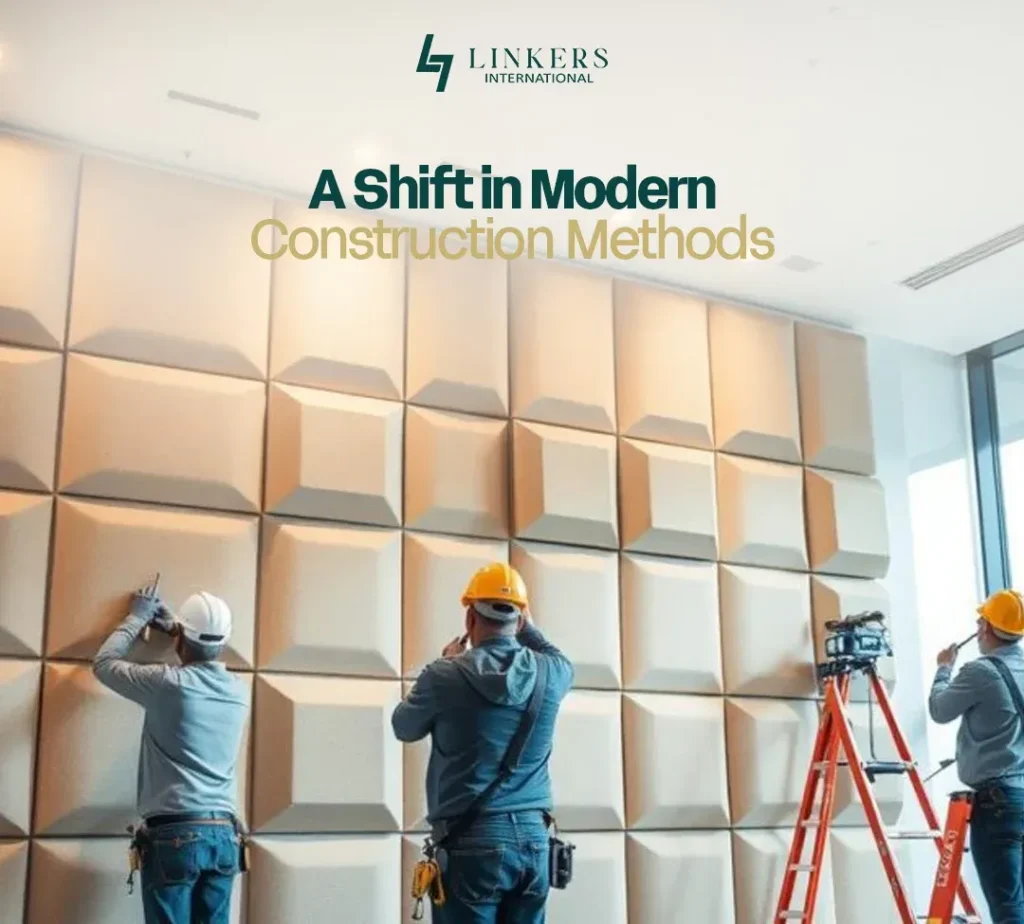
One of the biggest shifts in modern architecture is treating acoustics in buildings as part of the initial design, not a last-minute correction. In high-end restaurants, designers now integrate acoustic materials into ceilings, light fixtures, and wall textures so sound control becomes invisible. The result is a vibrant atmosphere where conversation flows easily without turning into chaos.
Even homes are evolving. Open-plan living spaces look stunning, but without acoustic planning, they can feel loud and uncomfortable. Thoughtful use of rugs, wall panels, and ceiling treatments transforms these spaces into warm, livable environments.
Why is Acoustic Protection Important in Building Design?
Acoustic protection is an important part of building design because it helps create quieter, more comfortable, and functional indoor spaces. Without proper sound insulation, noise from traffic, machinery, neighbouring rooms, and other sources can disturb daily activities, reduce privacy, and affect concentration.
Effective acoustics in architecture helps control sound transmission, minimize unwanted noise, and improve speech clarity in homes, offices, hospitals, and commercial buildings. By considering acoustic materials, wall construction, windows, ceilings, and floor systems during the design stage, architects can create environments that support comfort, productivity, and well-being while reducing the need for costly sound-control improvements later.
The Future of Acoustic of Buildings

As cities become denser and buildings more multifunctional, acoustic of building will play an even bigger role. Sustainability and acoustics are also merging, with eco-friendly materials now offering excellent sound absorption. Smart buildings are beginning to adapt acoustically, adjusting sound environments based on occupancy and activity. The goal is simple but powerful: spaces that listen to the people using them.
Acoustic treatment in construction is about creating spaces that feel balanced, intentional, and human. When acoustics are done right, we don’t notice them at all. We simply feel better inside the space, and that is the true success of architectural acoustics.
Frequently Asked Questions (FAQs)
What are the 7 parameters of architectural acoustics?
Frequency, period, wavelength, propagation speed, intensity, amplitude, and power are key principles in acoustics
What are the 4 types of sound?
Calm, boring, chaotic, and lively are the 4 types of sound.
What is architectural acoustics?
It is about managing sound inside the building while designing the architecture, to create clarity, privacy and comfort within the spaces. Accosutics
Why is Acoustics Important in Building?
Good acoustics help people hear clearly and feel comfortable, especially in classrooms, theaters, offices, and homes.
What causes an echo in a room?
Echo happens when sound reflects off hard surfaces like walls, ceilings, or floors.
What are acoustic materials?
Acoustic materials are special materials used to absorb or block sound, such as foam panels, mineral wool, or perforated boards.
What types of buildings need acoustic design?
Auditoriums, cinemas, classrooms, hospitals, studios, offices, and residential buildings all need acoustic design.
How do architects improve sound quality in a room?
They use proper room shapes, sound-absorbing materials, and sound-insulating construction.
What is the difference between sound absorption and sound insulation?
Sound absorption reduces echo inside a room, while sound insulation stops sound from traveling between rooms.
Why is acoustic protection important in building design?
Acoustic protection helps reduce unwanted noise, improve privacy, and create a more comfortable indoor environment. It prevents excessive sound from traveling between rooms and from external sources, supporting better sleep, concentration, and productivity.